Fresno Eases Kratom Ban, Targets Synthetic Derivatives

Fresno city officials have reversed course on a proposed kratom ban, instead approving an ordinance that permits the sale of natural-leaf kratom to adults while banning concentrated derivatives. Under the new law, taking effect in January 2026, retailers may sell kratom products only to customers aged 21 and over, provided levels of the psychoactive compound 7-hydroxymitragynine (7-OH) remain below 1% of total alkaloids.

Councilmember Nelson Esparza, who introduced the amendment, said the goal was to balance public safety with respect for kratom’s traditional cultural use. Fresno County is considering a similar policy with a 2% 7-OH limit.

Read the full report by Tim Sheehan via KVPR.

Kratom Regulation Aims To Protect Consumers While Preserving Access

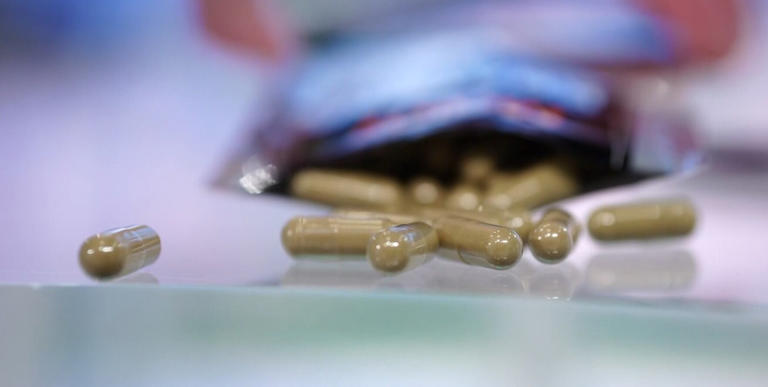
DENVER – Colorado’s new Daniel Bregger Act is reshaping the conversation around kratom by tightening safety rules without banning the herbal supplement that many users credit with easing pain and opioid withdrawal. The law caps highly concentrated 7-hydroxymitragynine products, restricts sales to adults over 21 and requires clearer labeling, moves designed to steer consumers toward traditional leaf-based kratom and away from risky gas-station style shots.

Researchers, backed by multimillion-dollar NIH funding, are simultaneously probing kratom’s alkaloids as candidates for safer pain medicines and treatments for opioid dependence. Early work suggests some compounds may relieve pain and withdrawal with less danger of respiratory depression, strengthening calls to regulate, not prohibit, kratom. A fuller exploration of these developments appears in The Conversation’s analysis.

Fried Blasts Congress Over Surprise Federal Hemp Ban

Florida Democratic Party chair Nikki Fried is condemning Congress for approving a surprise federal ban on most consumable hemp products, warning it endangers hundreds of thousands of jobs and a multi‑billion‑dollar industry just years after federal legalization. The ban, folded into a recent spending bill signed by President Donald Trump, is set to take effect next November unless lawmakers reverse course.

Fried says small farmers and mom‑and‑pop hemp businesses are “gut‑wrenched,” having invested life savings only to face sudden recriminalization driven by fears over unregulated intoxicating cannabinoids. She predicts Congress will be forced to “fix this” amid mounting pressure from stakeholders and notes Florida is simultaneously moving toward a 2026 ballot measure to legalize adult‑use marijuana, reflecting broader public support for ending cannabis prohibition. Read the full original report at Marijuana Moment.

New Jersey Advances Psilocybin Therapy Bill

New Jersey lawmakers have taken a major step toward legalizing regulated psilocybin therapy for adults with qualifying health conditions, with plans to continue working toward final enactment in the 2026 legislative session. The Assembly Health Committee recently reported the bill out favorably after hearing testimony from advocates and stakeholders, though the amended version removes broader legalization provisions for adult use.

Under the bill, the Department of Health would oversee licensing for psilocybin manufacturers, service centers, testing labs, facilitators, and workers. Access would require a referral from a licensed healthcare professional and include mandatory preparation and integration sessions. A social equity program would help low-income individuals afford treatment, and a Psilocybin Advisory Board would set guidelines and oversee safety protocols.

Support for therapeutic psilocybin remains strong among New Jersey residents, with a recent poll showing 55% in favor of doctor-supervised access. The bill now moves to the Appropriations Committee, with the Senate version having already cleared two panels.

For more details, read the full article at Marijuana Moment.

Florida’s Adult-Use Marijuana Initiative Moves Closer to Ballot Amid Legal Drama

Florida’s long road to adult-use marijuana legalization took a significant step forward this week as state election officials confirmed that proponents have collected enough valid signatures for a proposed constitutional amendment to qualify for further legal review. The measure, spearheaded by the Smart & Safe Florida campaign, follows a lawsuit accusing Governor Ron DeSantis’ administration of attempting to undermine the process. The Division of Elections’ acknowledgment now sends the proposal to the attorney general before the state Supreme Court reviews its language.

This marks the second legal challenge from Smart & Safe Florida after an earlier order aimed to discard nearly 200,000 signatures. The campaign ultimately needs 880,000 valid signatures to appear on the November 2026 ballot. Support from major medical cannabis companies, especially Trulieve Cannabis Corp., remains strong, with $25.8 million contributed so far. Last year’s bid narrowly missed passage with 56% voter support but fell short of the required 60% threshold.

Read more at MJBizDaily.

A call for smart regulation of kratom and 7-OH in L.A. County

As Los Angeles County health officials move to ban the sale of kratom and synthetic 7-OH, advocates warn that sweeping prohibition may not be the answer. In a recent letter to the editor, Yael Ossowski of the Consumer Choice Center argues that states like Rhode Island have shown a better path—enacting dosage standards, labeling requirements, and age restrictions, rather than criminalizing millions of users. Ossowski highlights that overdose cases linked to kratom and 7-OH often involve multiple substances, making transparent market rules more essential than ever. The letter urges policymakers to focus on safe regulation instead of outright bans, promoting consumer safety and clarity. Read the original letter in the Los Angeles Times for further details.

New York Assembly Examines Psilocybin Legalization

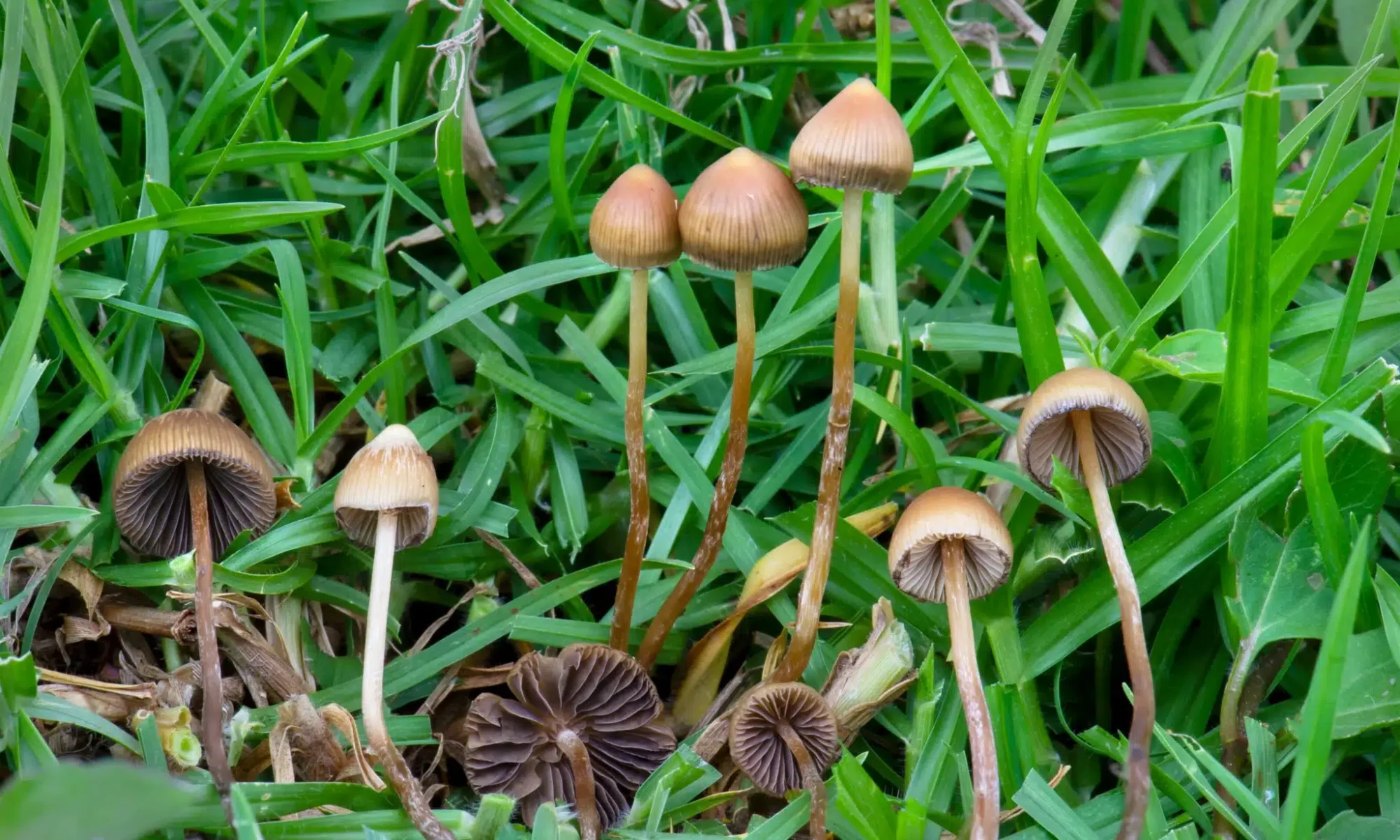
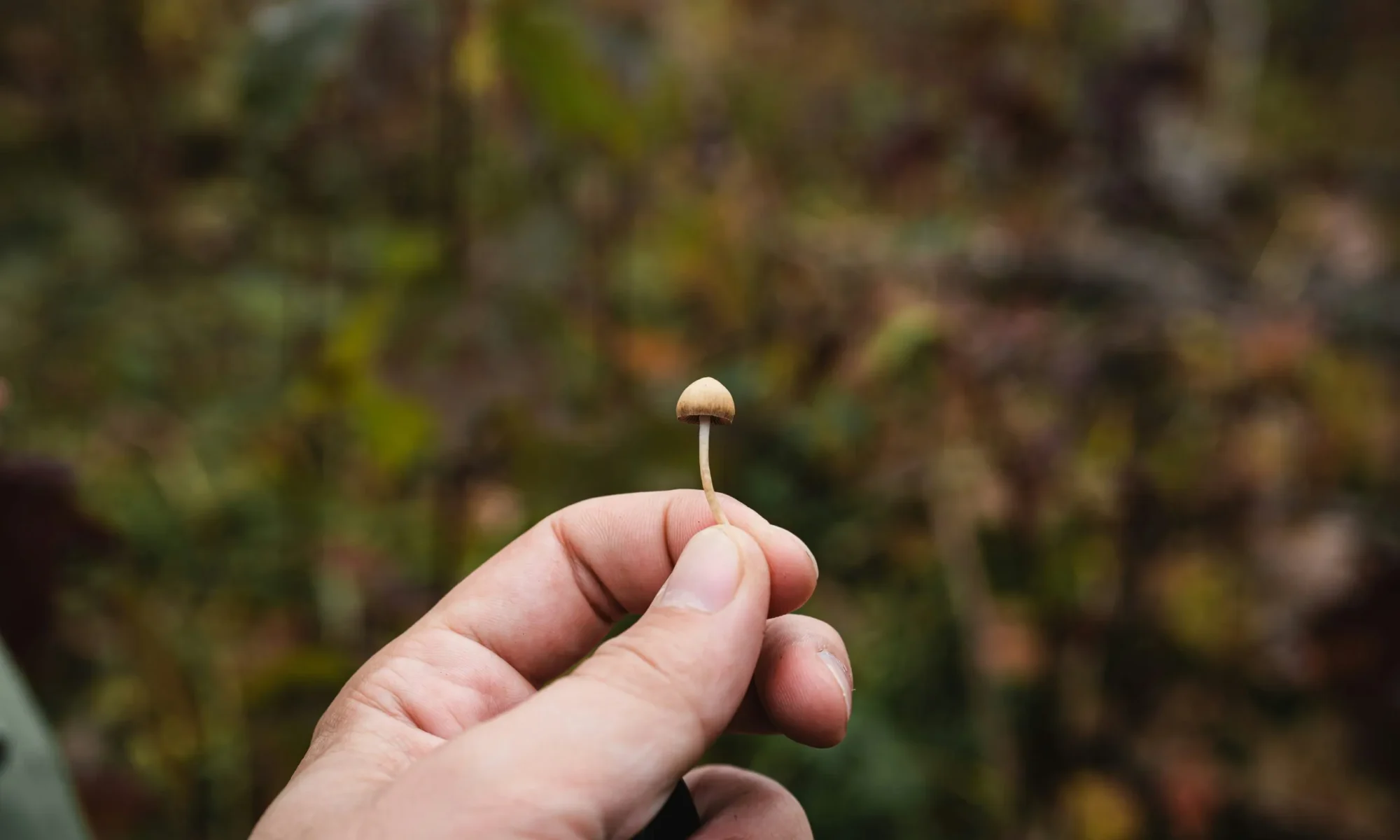
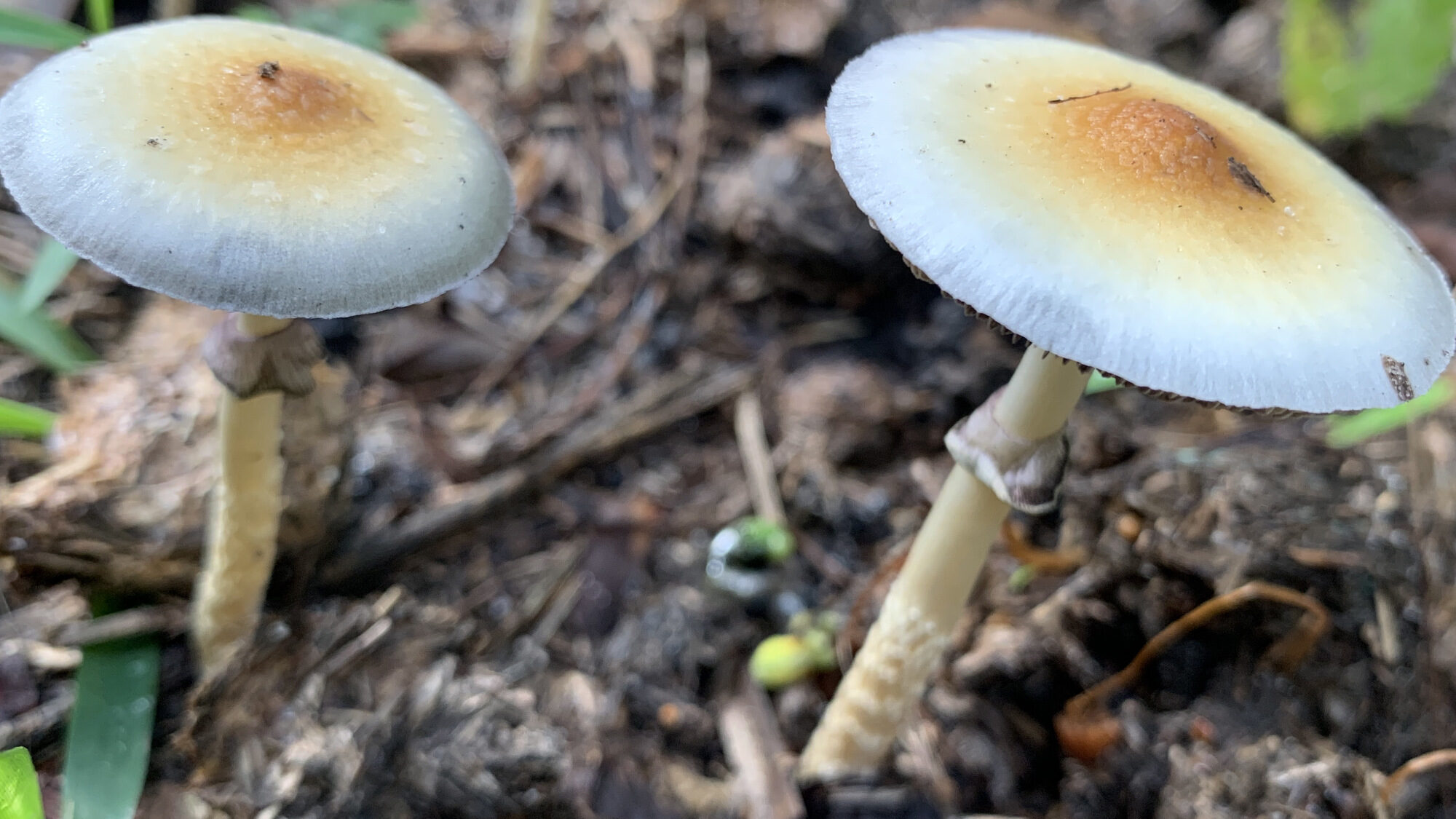
New York lawmakers are considering the potential legalization of psilocybin, the psychoactive ingredient in so-called “magic mushrooms.” At a recent state Assembly Health Committee hearing, experts and advocates discussed psilocybin’s possible therapeutic benefits and the risks involved. While psilocybin remains illegal in New York and under federal law, states like Oregon and Colorado already allow supervised treatment for adults.

Speakers, including clinical psychologists, highlighted that the FDA has granted psilocybin “breakthrough therapy” status for several mental health conditions. Legislators are now reviewing bills, such as one backed by Assemblywoman Amy Paulin, which would permit cultivation and adult therapeutic use in certain cases.

Advocates like retired FDNY firefighter Joe McKay shared powerful testimony, describing how psilocybin succeeded where conventional treatments failed. As lawmakers debate the way forward, many urge a cautious but innovative approach. For more details, see the coverage at CBS News New York.

Kentucky Moves to Ban Synthetic Kratom Compound 7-OH

Governor Andy Beshear has announced a new measure targeting 7-hydroxymitragynine (7-OH), a synthetic and concentrated derivative of the kratom plant, by classifying it as a Schedule I narcotic in Kentucky. The move makes it illegal to sell, possess, or distribute any isolated or concentrated forms of 7-OH, a substance with the potential for abuse due to its strong binding to opioid receptors.

Officials emphasized that this action is aimed at protecting public health and sustaining progress in reducing overdose deaths—Kentucky has seen declines for three consecutive years. Importantly, while 7-OH occurs naturally in kratom in small amounts, it is the concentrated, synthetic versions in products like shots, powders, or capsules that are now under scrutiny. The new regulation does not target natural kratom, only these potent derivatives.

For more details, see the original reporting at LEX18.com.

Toledo Moves to Prohibit Synthetic Kratom Sales

Toledo officials have unanimously approved a local ordinance banning the sale of synthetic kratom products, stepping up efforts to control lab-made versions of the herbal supplement. Council member Sam Melden, who championed the proposal, noted that naturally sourced kratom leaves remain unaffected by the restriction pending further study.

“This measure focuses squarely on synthetic and derivative forms sold in shops across the city,” Melden explained.

The council’s decision aligns with broader discussions at the state level, as Governor Mike DeWine continues to press for tighter kratom oversight across Ohio. Traditional kratom, derived from a Southeast Asian plant, is still legal and commonly used for pain relief, mood support, and managing withdrawal symptoms.

Full article available at MSN News.

Nebraska’s Long Road to Medical Cannabis

LINCOLN, Neb. — After more than a decade of failed attempts, Nebraska voters decisively approved medical cannabis legalization in 2024, marking a turning point in the state’s stance on marijuana. Initiatives 437 and 438 passed with over two-thirds of voter support, legalizing possession for patients and creating the Nebraska Medical Cannabis Commission.

Yet, as reported by MSN News, progress quickly met resistance. State officials challenged the petitions’ validity, leading to a court battle that ultimately upheld the initiatives. Governor Jim Pillen later appointed the commission, but delays, resignations, and regulatory setbacks have left implementation uncertain.

With just two cultivators licensed and access still months away, advocates fear the state’s program could stall before patients see any real benefit.

Arizona Launches Groundbreaking Psilocybin Trial for PTSD

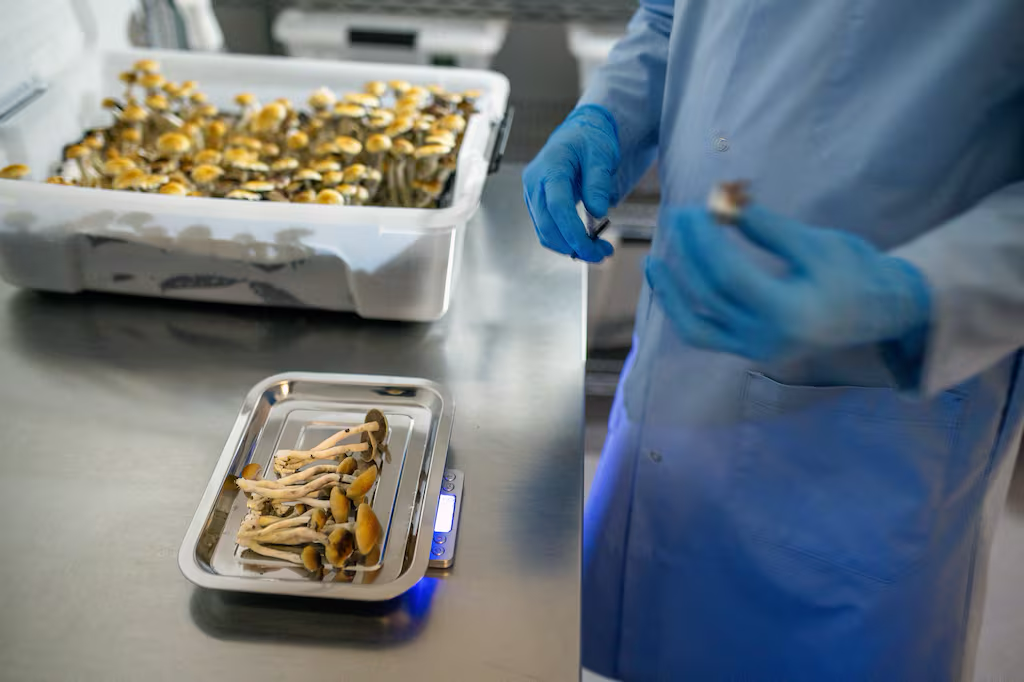
Arizona has approved the nation’s first clinical trial using whole mushroom psilocybin to treat post-traumatic stress disorder (PTSD) in first responders and military veterans. The federally authorized study, led by the Scottsdale Research Institute with support from Alira Health, will involve 24 participants who receive psilocybin in a controlled medical setting. Backed by the Arizona Department of Health Services, the program stems from a 2023 bill allocating $5 million for psychedelic research. Lawmakers hope the results will shape future policy and treatment access. Read more at Marijuana Moment.

Connecticut Experts Urge Balanced Regulation of Kratom, Not a Ban

Natural leaf kratom should not be conflated with its potent synthetic derivatives, says Dr. C. Michael White, a University of Connecticut pharmacy professor and chair of the Kratom Consumer Advisory Council. In his recent Hartford Courant opinion piece, White stresses that while synthetic opioids derived from kratom’s alkaloids—such as 7-hydroxymitragynine—pose serious addiction risks, natural kratom leaves have a much milder pharmacological profile. The council supports Connecticut’s proposed framework requiring product registration, lab certification, and age restrictions, ensuring consumer safety without restricting access for responsible adult users. White argues that maintaining legal access to natural kratom may offer a safer alternative for those managing chronic pain or opioid dependence, provided appropriate safeguards are in place.

Ohio Lawmaker Applauded for Kratom Safety Legislation

The Global Kratom Coalition (GKC) has applauded Ohio Senator Louis Blessing for introducing Senate Bill 299, a measure designed to protect consumers by prohibiting concentrated synthetic 7-OH opioids while maintaining access to naturally derived kratom. The bill aims to create clear quality and safety standards for kratom products while cracking down on dangerous lab-synthesized compounds that have been linked to addiction and tragic deaths. According to GKC scientific advisor Dr. C. Michael White, the legislation reflects a responsible, evidence-based distinction between natural kratom’s mild effects and the potent synthetic versions that pose serious health risks. With support from both consumer advocates and scientific experts, SB 299 positions Ohio at the forefront of national efforts to regulate kratom safely and responsibly. More details are available at WRAL News.

Riverside County Weighs Limits on Synthetic Kratom Sales

Riverside County officials are considering new regulations targeting kratom-based products, particularly synthetic derivatives known as 7-OH compounds. The Board of Supervisors held a public hearing Tuesday to discuss restricting sales of these high-concentration products, which officials say pose health risks similar to opioids.

The proposal would prohibit sales of kratom items containing more than 2% alkaloids to individuals under 21 and ban youth-directed marketing. Violators could face misdemeanor charges and fines. Similar restrictions are already in effect in several California cities, including Oceanside and San Diego.

The move follows a U.S. Food and Drug Administration request for the DEA to review kratom derivatives for potential inclusion on the federal controlled substances list.

Read the full story via MSN News.

New York Debates Legalizing Psilocybin for Medicinal Use

New York state lawmakers held a hearing on the potential legalization of psilocybin, the psychoactive ingredient in “magic mushrooms,” to assess its medicinal benefits and risks. Currently illegal and classified as a Schedule 1 controlled substance by the DEA, psilocybin is nonetheless allowed for supervised treatment in states like Oregon and Colorado for adults over 21. Clinical experts highlighted its breakthrough therapy status with the FDA for mental health conditions. Assemblywoman Amy Paulin introduced bills to legalize psilocybin cultivation and adult use for health purposes, emphasizing the need for careful legislative consideration.

Retired FDNY firefighter Joe McKay shared his personal story of debilitating cluster headaches and opioid addiction, explaining how psilocybin treatment was transformative, giving him his life back. The hearing underscores growing support for a regulated framework that balances public safety with therapeutic access source.

Experts Urge Research Over Restrictions as FDA Targets Kratom Compound

As the U.S. Food and Drug Administration moves to classify 7-hydroxymitragynine (7-OH)—a naturally occurring compound in kratom—as a controlled substance, advocates warn that banning it could harm consumers who rely on the plant for relief. Kratom, used for centuries in Southeast Asia, is valued in the U.S. for its natural ability to boost energy and ease pain. Supporters say responsible use has helped many reduce dependence on traditional opioids. Dr. Michele Ross of the 7-HOPE Alliance says more research, not prohibition, is the answer. “If you’re a chronic pain patient, your pain doesn’t go away just because something becomes illegal,” she said. Many hope regulators will explore kratom’s therapeutic potential before restricting access.
Source: MSN

Jackson Officials Discuss Possible Kratom Regulations

JACKSON, Tenn. — Community members and local leaders gathered this month to discuss the future of kratom in Jackson. The Jackson City Council, during its September 2 meeting, raised the idea of introducing regulations on the distribution of the plant-based product.

District 73 Representative Chris Todd emphasized the importance of oversight, noting particular concern around underage sales. While Tennessee currently does not regulate kratom, lawmakers say they will continue exploring options to ensure responsible use and distribution.

The discussion reflects a growing national conversation about kratom, which is used by many adults as a natural product while also drawing attention from policymakers.

For the full report, visit WBBJ 7 Eyewitness News.

Trump’s Cannabis Rescheduling: Relief and Complexity in New Era

President Donald Trump’s push to reschedule cannabis from Schedule I to Schedule III presents both new opportunities and fresh challenges for the industry and regulators. While rescheduling would end the notorious IRS 280E tax penalty, allowing cannabis businesses to claim normal deductions and improve profitability, it does not equate to federal legalization of state-licensed markets. Instead, only DEA-registered entities will access the full benefits, while state dispensaries remain outside federal legitimacy.

Big Pharma is expected to enter the space at the level of pharmaceutical-grade products, not retail dispensaries. State markets and jobs remain protected, as federal changes won’t force states to shutter their systems. For operators, adapting facility security and compliance are now critical, as the world watches this pivotal moment in U.S. cannabis history.

Read the full analysis at Forbes: “Trump And Cannabis Rescheduling: Opportunities And Limitations Under Schedule III”.

Massachusetts Lawmakers to Weigh Psilocybin Legalization at September 29 Hearings

Massachusetts lawmakers are set to debate two significant psilocybin proposals during public hearings on September 29. The first, House Bill 4050, introduced by Rep. Patrick Kearney (D), would remove psilocybin and psilocyn from the state’s list of controlled substances, creating a regulated framework for cultivation, distribution, and limited home growing. It also includes equity measures such as tax credits for small cultivators and support for low-income residents seeking psychedelic-assisted therapy.

A separate proposal, House Bill 2532 by Rep. Lindsay Sabadosa (D), would establish a five-site pilot program for nonprofit therapeutic treatment centers overseen by the Department of Public Health. Advocates say both bills highlight the growing recognition of psilocybin’s potential in addressing mental health challenges.

Read the full report at The Marijuana Herald.

FDA Targets Synthetic 7-OH Kratom Products, Not Natural Leaf

The U.S. Food and Drug Administration (FDA) is recommending federal scheduling for highly concentrated kratom products containing synthetic or enhanced 7-hydroxymitragynine (7-OH), a powerful opioid-like compound, following regulatory actions in states like Mississippi. The FDA stresses its proposal does not target natural kratom leaf products, which contain only low levels of 7-OH, but rather focuses on lab-made or fortified products that may contain up to 98% 7-OH.

Mississippi’s new law, HB 1077, bans kratom products with more than 1% 7-OH and restricts sales to those age 21 and over. Advocates argue natural kratom helps people avoid stronger opioids, while critics cite the heightened risk of synthetic products. The debate continues, with more details at the original Northside Sun article and in the FDA’s official press release.