Radnor moves forward with an ordinance on the regulation of kratom, delta 8

RADNOR — One week after the Radnor Board of Health said they’d recommend the township not regulate kratom, the commissioners are moving ahead with the introduction of an ordinance to regulate the substance.

But the proposed regulations will not be a ban, as some residents and commissioners have demanded. Instead, the new rules will limit where it’s sold and set a minimum age for purchasing the product.

A final vote on the regulations could come as early as the board’s next meeting on March 28.

Under the proposed ordinance, the sale of kratom and another product called delta 8 would be prohibited within 1,000 feet of a school, playground or daycare center.

Keep reading at delcotimes.com

Kratom consumers oppose ban in comments to FDA

Many of their stories are similar. Homeless and hooked on heroin. Suffering from chronic pain and addicted to opioids. Unemployed with a grim outlook for the future.

Until these consumers started using a botanical native to Southeast Asia: kratom.

In response to a Federal Register notice related to an upcoming meeting of the World Health Organization (WHO), one man named Abe Stewart wrote to FDA that he suffered from “chronic pain” and turned to opioids.

“I became addicted, I lost my home and my job, and I was homeless for years dealing with an opioid addiction,” he shared. “Kratom not only [helped] me get over that addiction, but it also helps me deal with the pain so I can be a functioning member of society. Without this plant in my life, the pain would be so horrific that it would not be worth living.”

Read more at Natural Products Insider

Radnor Board of Health rejects regulating kratom

RADNOR — The Radnor Township Board of Health this week rejected a plan to recommend the township regulate the sale of kratom, a herbal extract that has been linked to numerous deaths over the past few years.
The Radnor Board of Commissioners asked the township’s board of health to review the issues surrounding the use and possible regulation of kratom after members of the public and some township officials began calling for a ban last month.

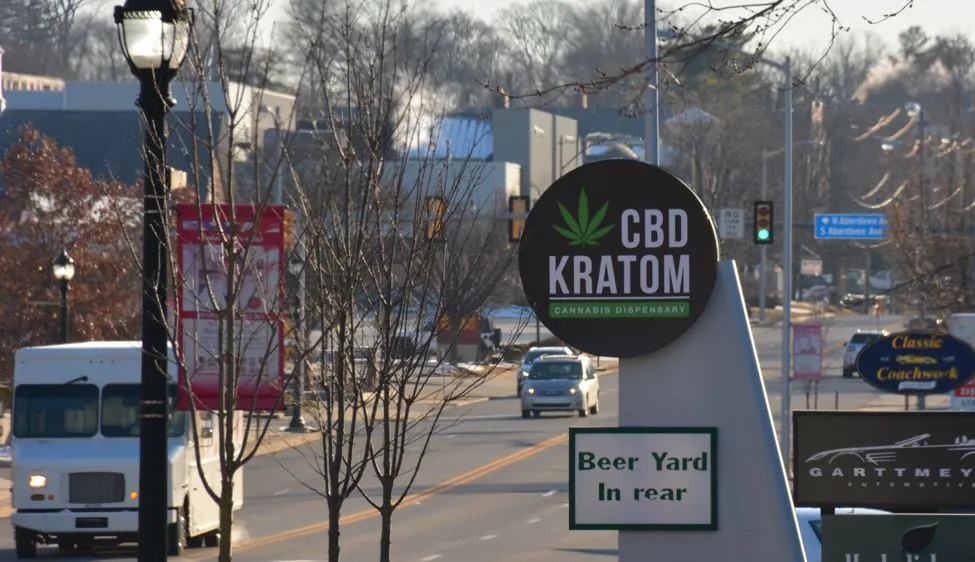
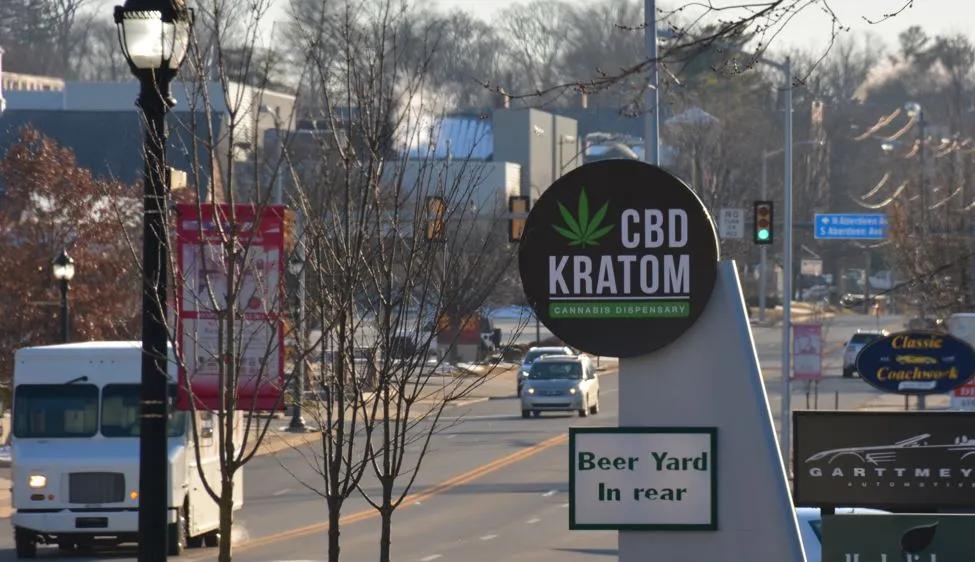
The controversy over kratom erupted in Radnor in February when a store called CBD Kratom opened inside the former Starbucks shop on Lancaster Avenue in Wayne. The store was ordered closed because the owners never received any building permits.

After a presentation and a discussion with public comments, David Simmons, chairman of the Radnor Board of Health, said he would advise against the township regulating kratom.

Read more at mainlinemedianews.com

Bill that would have created ‘Florida Kratom Consumer Protection Act’ dies in committee

A bill adding regulations to the sale of kratom, a plant grown in Southeast Asia that the FDA says has addictive effects similar to morphine and other opiates, has likely died after failing to receive a hearing in its final committee stop.

Sarasota Republican Sen. Joe Gruters filed the measure (SB 1076), dubbed the “Kratom Consumer Protection Act,” in late November. It went on to receive unanimous support in two committees before hitting a snag in the Senate Appropriations Committee.

A similar bill in the House (HB 1071), filed by Pensacola Republican Rep. Alex Andrade, went unheard.

With just one week left in the Session, most Senate committees can’t meet without special approval from President Wilton Simpson.

Gruters’ bill aimed to apply to kratom products strictures similar to those placed on alcohol consumables. It would have banned the sale of kratom to people under 21 and required processors to ensure the products contain no dangerous substances.

Read more at Florida Politics

Assembly lawmakers abandon vote on bill legalizing the herbal supplement kratom after objection from police and doctors

MADISON – Assembly lawmakers on Wednesday abandoned a scheduled vote on a bill that would legalize an herbal supplement after objections from law enforcement officials and medical doctors. 

Assembly Speaker Robin Vos, who supports the legislation, said Wednesday he didn’t agree with their concerns but acknowledged it was in limbo and may not have enough votes to pass before taking it off the calendar permanently. 

Under the legislation, the extract known as kratom would have no longer been considered a controlled substance in Wisconsin — one of few states that bans the product.

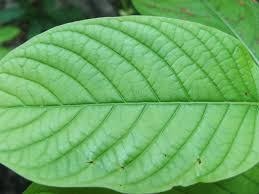
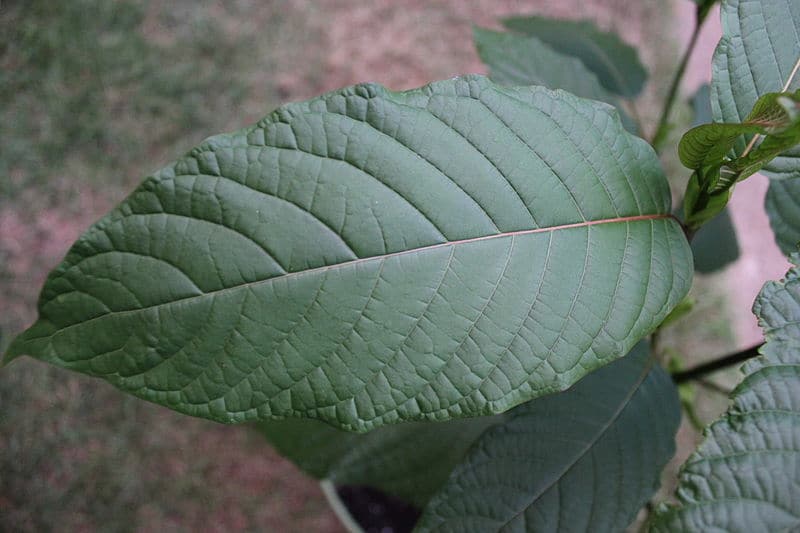
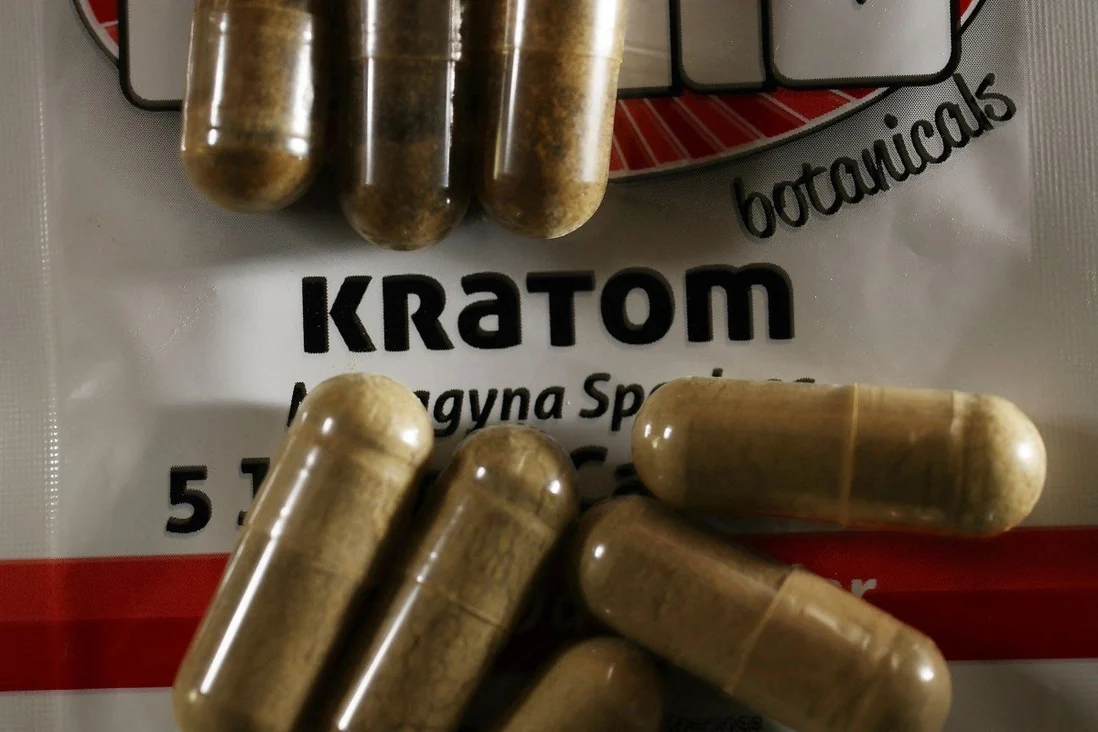
Derived from the leaves of an evergreen tree native to Southeast Asia, kratom acts on opioid receptors in the brain and is sold as a supplement, most often in capsule or powder that can be mixed with liquid.

Get the full story at jsonline.com

Assembly lawmakers are set to take up a bill legalizing the herbal supplement kratom over the objection of police and doctors

MADISON – Assembly lawmakers are scheduled to take up a bill this week that would legalize an herbal supplement over the objection of law enforcement officials and medical doctors. 

But Assembly Speaker Robin Vos, who supports the legislation, said Wednesday that the bill is in limbo and may get voted down on the floor. 

Under the legislation, the extract known as kratom would no longer be considered a controlled substance in Wisconsin — one of few states that bans the product.

Derived from the leaves of an evergreen tree native to Southeast Asia, kratom acts on opioid receptors in the brain and is sold as a supplement, most often in capsule or powder that can be mixed with liquid.

Read the full article at jsonline.com.

Ohio moves to regulate kratom – used for pain, opioid addiction – but some say it’s dangerous

The Ohio House passed a bill allowing for regulation of kratom on Wednesday, a controversial move given that some medical experts have called it addictive and harmful.

Kratom is an herbal extract from the leaves of a Southeast Asian tree and is typically taken as a powder or tea. According to the Cleveland Clinic, the extract can decrease pain, lead to pleasure or sedation and can help people cope with opioid withdrawal.

Currently, its use is not outlawed in Ohio, and it is sold in specialty stores, head shops, gas stations and online. But whether it’s safe has been a matter of debate.

Get the full story at finance.yahoo.com.

Mississippi House passes bill making kratom illegal

JACKSON • One day after marijuana became legal in Mississippi for medicinal use, the state House on Thursday passed legislation that would make the herbal product known as kratom illegal. “This is a drug that has no medicinal value,” House Drug Policy Chairman Lee Yancey said from the…

Read the full story at Daily Journal

‘War on Kratom’ sparks push for protection in Kansas

TOPEKA (KSNT) — Hundreds of Kansas stores sell Kratom, a controversial herbal extract from Southeast Asia that some people use to treat chronic pain. A new proposal being weighed by the state senate would ensure that the product is protected from harmful additives.

The substance has received pushback from the Food and Drug Administration (FDA), which has labeled Kratom unsafe for human consumption given its psychoactive and euphoric properties.

However, many people that advocate for its use have pointed to its health benefits, and say it could be the key to battling the nation’s opioid epidemic.

Mac Haddow, Senior Fellow on Public Policy for the American Kratom Association said, when used correctly, it can help people wane off of opioids.

Read the story at ksnt.com

Florida lawmakers take first step in regulating Kratom supplement

TALLAHASSEE, Fla. – Kratom is in the coffee family and is an herbal supplement grown mostly in southeast Asia. Some states have banned it after the federal government raised questions about its safety.

But, the problem didn’t come from the supplement, but from what unscrupulous vendors laced it with, which Florida lawmakers took the first step Tuesday to prevent from happening again.

Kratom is legal but unregulated in Florida. It is a big seller at the Natural Life chain of stores.

“And every day, we get testimonials from people how this plant has changed their life for the better. And we hear it multiple times a day, every day,” said Gabe Suarez, the owner of Natural Life.

Suarez said he requires what he sells to have been tested by a third party to ensure it’s pure and safe. “You name it, we’re searching for it.”

Keep reading at NBC.

Legislature considers crackdown on kratom, a controversial herbal supplement

A Florida Senate committee on Tuesday advanced a proposal that could have major implications for the state’s kratom industry.

The measure, Senate Bill 1076, would ban the sale of kratom to Floridians younger than 21 and put in place a series of quality-control regulations around kratom products. It would also require kratom sellers to affix a label to any product with directions for suggested use. Violators would be subject to a $500 fine for a first offense, then $1,000 fines for subsequent infractions.

Sen. Joe Gruters, R-Sarasota, the bill’s sponsor, said his measure would help the state crack down on unscrupulous businesses selling contaminated kratom products to customers.

“As long as it’s safe and as long as it’s marketed for what it is, I think people should have access and have the availability,” Gruters said. “We just want to eliminate the bad actors, and those people that are turning the product into something that it’s not.”

Get the full story at the Miami Herald.

World Health Organization Decides Not to Call for Global Kratom Ban

Kratom advocates are cheering a new decision from the United Nations World Health Organization (WHO) not to recommend that the plant-derived substance be internationally banned following a scientific review.

There were some concerns that the WHO’s Executive Committee on Drug Dependency (ECDD) would take steps to either urge international control over kratom—which has been touted as a natural painkiller that works as a safer alternative to prescription opioids—or recommend a critical review that could have ultimately led to scheduling following another year-long inquiry.

“People report using kratom to self-medicate a variety of disorders and conditions, including pain, opioid withdrawal, opioid use disorder, anxiety and depression.”

But in a report released last week, members of ECDD voted 11-1 to simply continue monitoring data on the health impacts of kratom over the next two to three years, rather than institute strict controls.

Read the full story at Filter.

Kratom rules still elusive in Missouri, but another push planned for next year

JEFFERSON CITY — A St. Charles County lawmaker isn’t giving up his effort to regulate a plant grown in Southeast Asia and sold across Missouri.

Rep. Phil Christofanelli, R-St. Peters, said he will reintroduce the “Kratom Consumer Protection Act” for the upcoming legislative session after the plan died in the Senate this year.

His 2021 bill barred the sale of kratom to minors and said sellers must ensure their kratom products don’t contain dangerous substances.

“It’s just a basic consumer protection measure to ensure that the product is properly labeled so that consumers know what they’re buying and that it’s only sold to adults,” Christofanelli said.

People use kratom to relieve pain, treat opioid withdrawal, post-traumatic stress disorder, depression and other ailments.

But kratom has also generated public health concerns, including from the U.S. Food and Drug Administration, which discouraged its use in 2019 because it appeared to have addictive properties.

Read more at The Post-Dispatch.

A policy commentary on the WHO pre-review of kratom

In this policy commentary, we first take a look at the developments in Southeast Asia, where the criminalization of kratom significantly increased after Prime Minister Thaksin declared a war on drugs in Thailand in 2003.

This intensified law enforcement in the region put kratom on the radar of UNODC’s SMART programme. Yet Thailand, where repressive enforcement of the kratom ban had reached dramatic proportions following Thaksin’s drug war, moved to lift the ban in August 2021.

We then look at how kratom became an issue of concern when it was labelled a ‘New Psychoactive Substance’ (NPS) and how procedures established to expedite the scheduling process for NPS, especially UNODC’s Early Warning Advisory, propelled kratom onto the ECDD agenda.

Read the full commentary at tni.org.

What is kratom the ‘legal heroin’, how dangerous is the drug and why is it now in WHO’s cross hairs?

The herbal substance kratom, or “legal heroin”, remained largely unnoticed in Hong Kong until it was banned in August. Weeks later, customs officers seized 2.5 tonnes of the psychotropic substance, with an estimated street value of HK$6.67 million (US$856,700), being shipped from Indonesia to Florida, in the United States.

The substance is not illegal at the federal level in the US and many parts of the world, but there has been a debate for years over the need to regulate its use. Indonesia and Thailand are believed to be the largest producers, and the US, the main market.

Between October 11 and 15, the World Health Organization’s Expert Committee on Drug Dependence will meet in Geneva for a “pre-review” of kratom, a first step in assessing whether it should be added to a list of internationally controlled drugs.

The Post gets the answers to common questions about the substance now under scrutiny.

Read the full story at South China Morning Post.

A global fight looms over Kratom, a possible opioid alternative

A World Health Organization meeting next week could determine the future of kratom, a widely available herbal supplement some tout as an alternative to opioid painkillers, in the U.S. and elsewhere.

A 2017 survey of about 2,800 self-described kratom users in the U.S. showed that they’re typically middle-aged and white, and use the substance to treat the symptoms of anxiety, depression, pain and opioid withdrawal.

Kratom, a plant indigenous to Southeast Asia, produces narcotic-like effects when smoked or taken in liquid or capsule form. Its advocates say the substance is a promising replacement for opioids that could help wean people addicted to those drugs, which killed nearly 70,000 people in the U.S. in 2020.

Those claims have yet to be fully vetted by scientists. The U.S. government has twice tried to restrict kratom’s use by classifying it as a controlled substance, arguing it has high potential for abuse and no known medical benefit.

The full Politico article has more.

Lee County residents pushing to ban recreational drug

TUPELO, Miss. (WTVA) – A group of parents in Lee County are trying to keep kratom out of reach of children.

Kratom is a recreational drug that anyone can find at convenience stores or smoke shops.

Chris Hussey spoke on behalf of the group during Monday morning’s Lee County Board of Supervisors meeting.

Hussey said his 15-year-old son wasn’t the same person after he started taking kratom. A few months ago, his son disappeared in the middle of the night. Hussey and his wife found him running on the side of the road.

Hussey said he had to stop using kratom for about a week.

Sheriff Jim Johnson said he asked supervisors to ban the drug over a year ago, but they decided not to.

Read more at WTVA.

Should we aim for harm reduction or absolute safety? Herbal supplement Kratom puts FDA risk calibration to the test

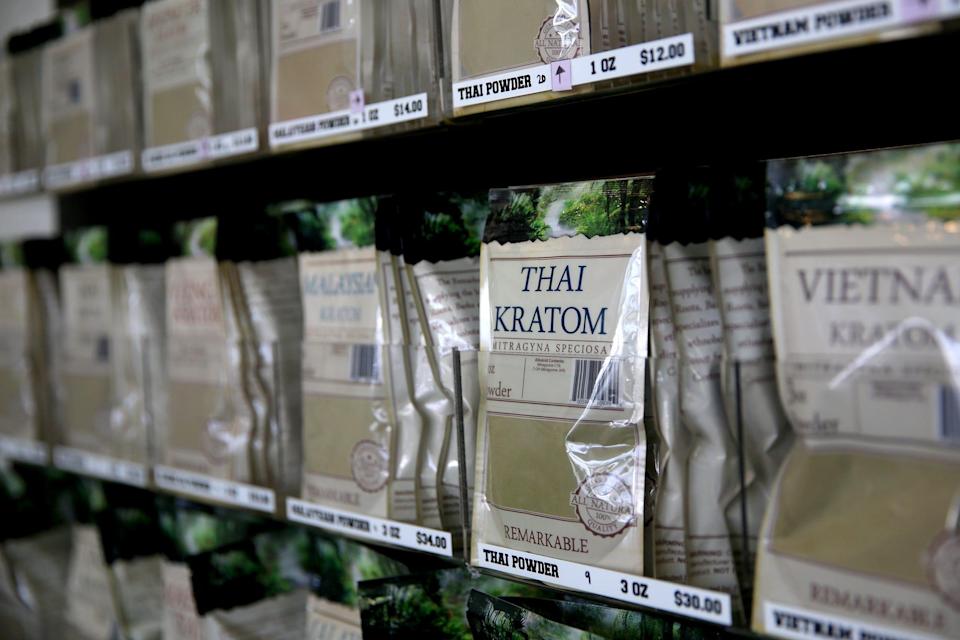
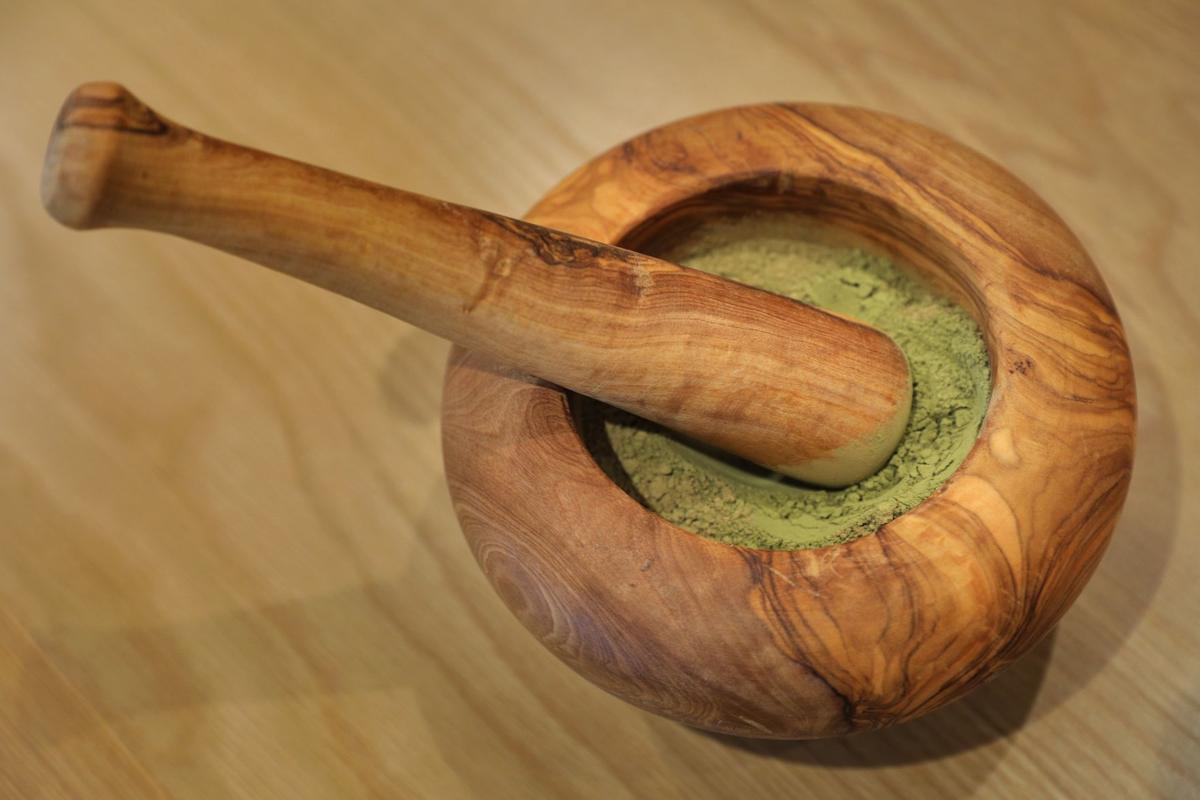
Kratom Powder

The issue of whether or not to ban kratom is an excellent litmus test of whether the Biden administration will actually use the philosophy of harm reduction to guide drug policy—or just spout the trendy catchphrase as window dressing to hide ongoing engagement in the war on drugs.

An estimated 10–16 million Americans currently use kratom as an alternative to opioids, most commonly to treat pain or as a substitute for street drugs. The herb, formally known as Mitrogyna speciosa, has a centuries-long history of use in herbal medicine in Southeast Asia—notably as a substitute for opium.

Kratom does appear to be far safer than all illegal and most prescription opioids: a CDC study of some 27,000 overdoses that occurred between 2016 and 2017 found that it was implicated in less than 1 percent of deaths.

Read more at Genetic Literacy Project.

FDA’s Suspected Push for Global Kratom Ban Rattles Advocates

Despite Thailand’s recent legalization of kratom—swiftly following the country’s decriminalization earlier this year—international kratom advocacy’s momentum is facing stern resistance from the United States Food and Drug Administration.

The FDA has made no secret of its attitude to the plant, following numerous attempts to schedule it as a federally illegal substance in recent years. Dr. Scott Gottlieb, the agency’s former commissioner, even groundlessly blamed kratom for “fueling the opioid addiction crisis” this past spring. While the failures of attempts at federal scheduling have represented victories for kratom advocacy, it doesn’t mean the FDA is slowing down.

In late July, the FDA publicly announced that it will be gathering feedback from the US public as part of an effort to compile data on kratom.

Continue at Filter.

Kratom Activists Send Tens Of Thousands Of Comments Telling FDA To Oppose Possible International Ban

Kratom advocates have rallied tens of thousands of people to submit comments to the Food and Drug Administration (FDA) that will help inform the U.S. position on how the substance should be classified under international law.

In October, the World Health Organization’s (WHO) Expert Committee on Drug Dependence will discuss whether to recommend that kratom be globally scheduled. While FDA opened a public comment period for input that was set to end on August 9, the American Kratom Association (AKA) successfully sued for an extension that ended this week.

With those extra weeks for input, AKA’s online activist portal managed to get more than 63,000 people to share their experiences, scientific literature and recommendations encouraging the U.S. to oppose an international ban. FDA itself has logged about 26,000 comments that were directly sent in through the federal government’s own submission site.

Read more at Marijuana Moment.