Common-sense Remedies for Sky-high Drug Prices

Partisan warfare in Washington never seems to stop. Yet, in poll after poll, Americans want lawmakers to work across the aisle and get things done.

The majority of Americans want elected officials to take action to lower prescription drug prices.

Almost 90 percent of Americans support legislation to speed generics to market. Why? Generics competing with brands drive down prices. Generics are cheaper and people get that.

There are three serious bipartisan initiatives to speed generics to market. Bipartisan — did we say that? Yes. Let us explain.

The first bill — sponsored by Reps. Gus Bilirakis, Florida Republicana, and Kurt Schrader, Oregon Democrat — provides incentives for development of new generics where there is currently no competition, and speeds up Food and Drug Administration approval times. It is modest but could get more inexpensive generics to market where there are none.

he second bill — sponsored by Sens. Chuck Grassley, Iowa Republican, and Amy Klobuchar Minnesota Democrat — would put a stop to “pay-for-delay” scams. This occurs when a brand manufacturer pays a generic company not to bring a drug to market. It’s remarkable this is legal to begin with, and Congress should stop it now.

The third legislative proposal is sponsored by a bipartisan lineup of Sens. Pat Leahy, Vermont Democrat, Mr. Grassley, Dianne Feinstein, California Democrat, Ms. Klobuchar, and Mike Lee, Utah Republican, along with Reps. Peter Welch, Vermon Democrat, and Steve Stivers, Ohio Republican. It would crack down on abuses of the patent laws employed by drug companies to avoid giving samples of brand-name drugs to other manufacturers to create a generic. These practices by drug corporations subvert the law and the intent of Congress. Surely we can fix this.

But can’t we hold Big Pharma to the fundamental bargain that was struck in 1984 called the Hatch-Waxman Act? The deal was that drug companies received monopoly pricing power for five to seven years. After that time, generics would be introduced to create competition and drive down prices. All this legislation does is make the drug companies abide by the intent and letter of the law.

Millions of Americans are being hurt to finance exorbitant compensation and sky-high profits of the drug companies. These companies won’t be crippled by action on generics. They’ll simply be forced to act according to law, and they’ll still make a great deal of money.

This seems so clear — so simple. No gridlock. No stalemate. Just common-sense, bipartisan action to make the laws of our country work for people. The time for action is now.

Washington Times

Can Valerian Root Help You Sleep Better?

Insomnia is defined as a medical condition involving difficulty falling asleep or staying asleep through the night.

According to the U.S. Centers for Disease Control and Prevention (CDC), more than one-third of American adults fail to get at least seven hours of sleep on a regular basis, which is associated with an increased risk of chronic ill health and mental distress. As noted by Dr. Wayne Giles, director of CDC’s Division of Population Health.

Another really crucial lifestyle aspect that can have a profound impact on your ability to sleep is sunlight and artificial light exposure during the day and night. Getting appropriate light exposure at the appropriate time of day — which I’ll discuss further below — is perhaps one of the most important factors that need to be addressed if you’re having trouble sleeping.

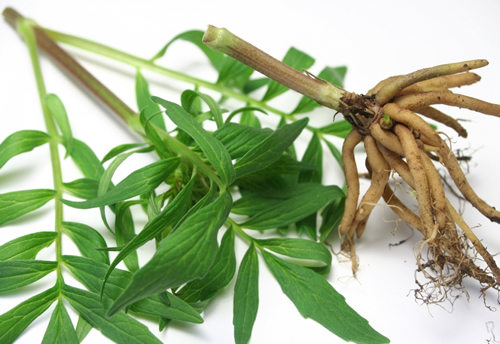
Valerian Root — Nature’s Valium

Frequently referred to as “nature’s Valium,” valerian root (Valeriana officinalis) has a sedative effect and has been used in traditional medicine to promote relaxation and sleep for at least 2,000 years. Some of the sedating compounds in valerian root include:

• Valerenic acid. As noted by Authority Nutrition,4 stress can lower your levels of gamma-aminobutyric acid (GABA), which in turn has been linked to anxiety and impaired, poor quality sleep.

Read more at ProHealth

Trump Supports Philippines President Rodrigo Duterte’s Murderous Drug War

President Trump invited President Rodrigo Duterte of the Philippines to the White House after having a “very friendly conversation with Mr. Duterte” on Saturday. According to a statement issued by the White House, the two “discussed the fact that the Philippines is fighting very hard to rid its country of drugs.”

Since he was elected President last May, Duterte has championed a campaign that is responsible for the extrajudicial killing of thousands of people.

“To host President Duterte at the White House is to endorse his deadly drug war policies,” said Michael Collins, Deputy Director at Drug Policy Alliance’s Office of National Affairs. “The Trump Administration should immediately withdraw its invitation to Duterte and publicly denounce the mass killings he has advocated for, or risk embarrassing the country with the sight of the U.S. President greeting a remorseless, self-confessed murderer.”

In December 2016, an advisor to Trump’s transition team on security policy said that the president-elect would start a “clean slate” with Duterte “without being wedded to previous policy failures.” Days later, President Trump praised Duterte for his efforts and The New York Times ran a feature piece documenting the homicide victims of Duterte’s brutal drug war.

Duterte has repeatedly shown complete disregard for due process or human rights. In his call for the murder of people who use or sell drugs, he promised medals for citizens who comply, and pardons for police if they are charged with human rights violations while carrying out the executions. He has even likened himself to Hitler. These extrajudicial killings have largely claimed the lives of the country’s most marginalized and vulnerable citizens, including those who are unemployed or underemployed.

Despite international calls for Duterte to end the extrajudicial killings, he has refused to change direction, responding to anyone who has questioned his anti-drug strategy with insults, including former President Obama, the Pope, the International Criminal Court and the United Nations. He has also threatened to kill human rights defenders who attempt to intervene in his war on drugs.

While Trump is embracing the horrific approach taken by the president of the Philippines, he is also doubling down on the failed drug war here in the U.S. both in his rhetoric and his appointments, most notably Jeff Sessions as Attorney General.

Weednews

Canadians Admitting to Marijuana Use Can Be Permanently Banned from Entering U.S.

If you are a foreign citizen trying to cross the border into the United States, one of the questions you are likely to be asked is whether or not you have ever smoked pot. But not everyone is aware that answering yes to this question can get you permanently barred from entering the country. If Canada follows through on its promise to legalize marijuana next year, there will then be millions of people who are legally free to smoke weed but could all be potentially banned from entering the U.S.

Canadian Public Safety Minister Ralph Goodale said that it was “ludicrous” how many Canadians were getting banned from the U.S. over marijuana. “What we will expect of our American counterparts, just as they would expect it of us, that when people present themselves to cross the border, that the experience is respectful, that it’s consistent, that it’s professional and that people are not treated in any kind of a capricious way,” Goodale said.

Canada’s impending legalization of marijuana “completely changes the dynamic,” Oregon Rep. Earl Blumenauer said. “Some regard Canada as the 51st state. This is going to make a big difference in terms of adjusting attitudes and accelerating progress. . . . It’s going to help us bring these things to a head.”

Merry Jane

Medical Cannabis Oil Bill Doesn’t Go Far Enough to Help Iowans

Iowa has been making some great strides towards expanding medical marijuana access in Iowa — but are they enough? Last week, House File 524 was passed, expanding the medical marijuana law that is already in place.

This bill proposes to permit the manufacturing and distribution of medical marijuana in Iowa and expanding the list of eligible medical diagnoses, allowing Iowans with Parkinson’s disease, multiple sclerosis, and other chronic and severe illnesses, access to cannabis oil. While this is a great achievement for those suffering from these debilitating illnesses, Iowa will still be behind the 29 other states who have passed more expansive medical marijuana laws.

A major concern with this bill is that only cannabis oil can be used and the THC content can be no more than 3 percent. The 29 states that have more extensive medical marijuana laws allow the entire plant to be used, which has a higher THC content.

This is crucial for those that are suffering from severe pain. Many of these other states also include other medical diagnoses such as glaucoma and mental illnesses such as PTSD.

The Des Moines Register

Chinese Farmer Arrested for Growing Opium Poppies For Food Seasoning

BEIJING: Having a green thumb can get you into trouble with the law – if you grow the wrong plants – as an elderly Chinese man found out.

The 62-year-old man, surnamed Tu, was arrested after he planted some 800 opium poppies in his farm in Shaoxing, Zhejiang province, news portal ThePaper.cn reported.

After locating the farm, police apprehended Tu, who said he had meant to use the seeds from the poppies to season his food.

It is illegal in China to cultivate more than 500 poppy plants, as they can be used to produce illegal drugs such as opium, morphine and heroin. Violators face up to five years’ jail.

In a similar case last June, an elderly couple in Liaoning province grew more than 800 opium poppies because their flowers “looked beautiful”.

The Star Online

New Study Claims: Magic Mushrooms and other Psychedelic Drugs Really Seem to Elevate Consciousness

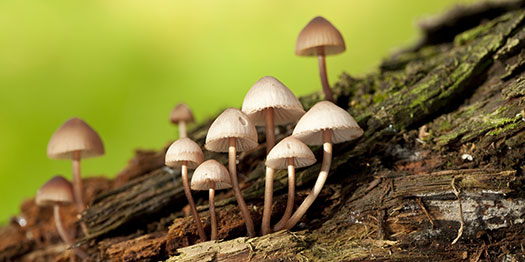
Three different psychedelic drugs that are known to produce altered states of consciousness and that have been used illegally for recreation are the subject of a new study. Psilocybin, a naturally occurring psychedelic compound that is produced by magic mushrooms, Lysergic acid diethylamide (LSD) and ketamine are the subjects of the new study. Researchers set out to determine if magic mushrooms, LSD, and ketamine actually increase “global neural signal diversity.” The researchers wanted to know if the psychedelic state is actually an elevated state of consciousness. The research was published this month in Scientific Reports in Nature.

They say that their research indicates that magic mushrooms and other psychedelic drugs really do push the user into an elevated state of consciousness.

“For all three, we find reliably higher spontaneous signal diversity, even when controlling for spectral changes. This increase is most pronounced for the single-channel LZ complexity measure, and hence for temporal, as opposed to spatial, signal diversity. We also uncover selective correlations between changes in signal diversity and phenomenological reports of the intensity of psychedelic experience. This is the first time that these measures have been applied to the psychedelic state and, crucially, that they have yielded values exceeding those of normal waking consciousness. These findings suggest that the sustained occurrence of psychedelic phenomenology constitutes an elevated level of consciousness – as measured by neural signal diversity.”

The researchers say that their data suggests that the psychedelic state brought on by magic mushrooms and some other drugs lies above other states, including wakeful rest, when compared using a one-dimensional scale that is defined by brain signal diversity.

Magic mushrooms have been gaining greater recognition for the drug’s potentially positive effects. For example, the B.C. Centre on Substance Use, which researches drug abuse in British Columbia, is actually planning clinical trials to see if psychedelic drugs might be able to help people overcome addiction to opioid drugs, CBC reported. A John Hopkins University study from a couple of years ago found that magic mushroom’s active ingredient could help smokers overcome their addiction to cigarettes. Eight out of 10 study participants were still not smoking six months after they quit when using the compound in magic mushrooms and cognitive behavioral therapy.

“Therapeutic outcomes are often correlated with a mystical or a spiritual-type experience. People often have deep insights about themselves and their relationships with others and with God — and sometimes, as a consequence, have significant behavioral changes,” Dr. Kenneth Tupper, of the B.C. Centre on Substance Use, told CBC.

Inquisitr

Unofficial Cannabis “Holiday” – Health Benefits of Cannabis Oil Still Secondary to Recreational Usage

April 20th is here again, a date well-known by recreational enthusiasts and celebrated as a cannabis culture holiday nationwide, and what was once known only as an inside joke to a few is now much more widely known and accepted in the United States. With 8 states having now legalized recreational marijuana, and dozens more allowing medical marijuana, much of the stigma of openly promoting “420-friendly” characteristics has disappeared, with hundreds of companies now offering special discounts on April 20th.

“The stereotype of a cannabis user has changed a lot with its growing acceptance as a medication, and not just a recreational plant used by some to get ‘high,'” says Rick Hawkins, a scientist with Nutra Pure, the makers of the popular CBD Pure line of CBD oils, “States have issued new regulations allowing medications and supplements derived from the cannabis plant to be available to those who need it most, and the results have been nothing short of impressive.”

Mr. Hawkins was referencing the growing popularity of CBD, the non-psychoactive component of the cannabis plant believed to be the primary cannabinoid responsible for mood support and neuroprotectant effects experienced by recreational users. While CBD does not have any intoxicating effects, access to it has been limited because of its relationship to its chemical cousin, THC. CBD users seeking the health benefits of cannabis without the intoxicating effects often go to great lengths to obtain high concentration cannabidiol products, typically ordering them from states like Washington, Colorado, or Oregon where they are more commonplace.

“We get orders from every state for our CBD oils, but the states that have legalized recreational usage also order the most CBD oil too, ironically,” continued Mr, Hawkins. He believes that is because, as more recreational users of cannabis see positive health effects, the word spreads to health-conscious people in the area who would never smoke cannabis, but have joint pain, insomnia, or mood issues that could be helped with cannabis oil. “Some of the healthiest people I know, that would never touch an illegal drug, swear by cannabis oils and take them every day for their health.”

Benzinga

The Difference between LSD and Magic Mushroom

Hallucinogens are a wide group of drugs with a diverse range of capabilities. Some have been proven to alleviate ailments like PTSD and anxiety; others will definitely make you crap your pants while thinking your roommate has turned into a giant crane. The two most popular hallucinogens are magic mushrooms and LSD, technically known as lysergic acid diethylamide. While they have similar effects, both drugs have enough differences between them that any potential user should be less than chill about considering them the same.

Here’s the science you need to know to understand how LSD and magic mushrooms affect the body in their own, trippy way:

Magic Mushrooms Are Natural, LSD Is Not

While LSD was invented in 1938, mushrooms containing the naturally occurring psychedelic compound psilocybin can be found in regions within South America, Mexico, and the United States. It’s estimated that there are over 200 species of psychedelic mushrooms.

LSD was synthesized by Swiss scientist Albert Hoffman, who later famously took the drug himself and went on a bike ride on April 19, 1934. The clear, odorless, and tasteless drug is made from lysergic acid, which is found on the fungus that typically grows on grains.

Both Drugs Trip Out the Brain, but One Lasts Way Longer

Magic mushrooms and LSD involve chemicals that bond with the brain’s serotonin receptors. When someone takes LSD, their sympathetic nervous system is stimulated, which causes a rise in blood-sugar levels, an increase in body temperature, and pupillary dilation. The body confuses LSD for serotonin and sends it towards the brain’s synaptic cleft. This allows LSD molecules to bind to serotonin receptor proteins.

LSD and Mushrooms May Both Be Future Antidepressants

An increasing swath of scientific evidence demonstrates both substances have the potential to treat addiction, obsessive-compulsive disorder, anxiety, and PTSD. In a small study conducted in 2014, scientists found that it could be magic mushroom’s impact on serotonin receptors that causes heightened emotions and a slight loss of identity — which may be why the substance helps with anxiety. A brain on mushrooms, they note, is much like a brain that is dreaming.

The more researchers examine a tripped out brain, the more they’ll be able to leverage the power of these drugs to help us out in the future.

Inverse

Psychedelic Drug Ayahuasca Improves Hard-to-Treat Depression

Tourists are increasingly trying ayahuasca during holidays to countries such as Brazil and Peru, where the psychedelic drug is legal. Now the world’s first randomized clinical trial of ayahuasca for treating depression has found that it can rapidly improve mood.

The trial, which took place in Brazil, involved administering a single dose to 14 people with treatment-resistant depression, while 15 people with the same condition received a placebo drink.

A week later, those were given ayahuasca showed dramatic improvements, with their mood shifting from severe to mild on a standard scale of depression. “The main evidence is that the antidepressant effect of ayahuasca is superior to the placebo effect,” says Dráulio de Araújo of the Brain Institute at the Federal University of Rio Grande do Norte in Natal, who led the trial.

Bitter brew
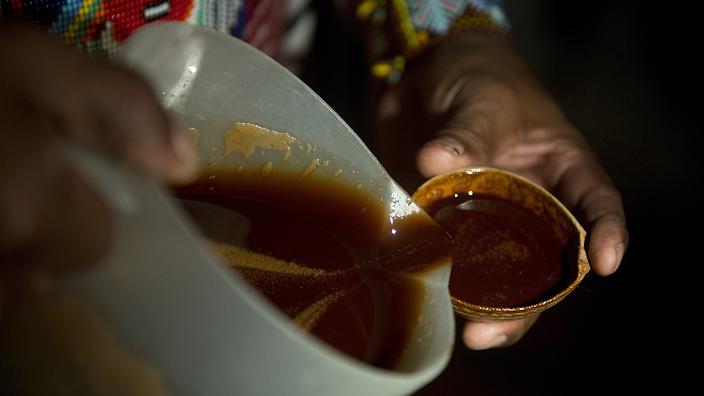
Shamans traditionally prepare the bitter, deep brown brew of ayahuasca-using two plants native to South America. The first, Psychotria Viridis, is packed with the mind-altering compound dimethyltryptamine (DMT). The second, the ayahuasca vine (Banisteriopsis caapi), contains substances that stop DMT from being broken down before it crosses the gut and reaches the brain.

A day before their dose, the participants filled in standard questionnaires to rate their depression. The next day, they spent 8 hours in a quiet, supervised environment, where they received either the placebo or the potion, which produces hallucinogenic effects for around 4 hours. They then repeated filling in the questionnaires one, two and seven days later.

Psychedelic treatments
“The findings suggest a rapid antidepressant benefit for ayahuasca, at least for the short term,” says David Mischoulon of Massachusetts General Hospital in Boston. “But we need studies that follow patients for longer periods to see whether these effects are sustained.”

If the finding holds up in longer studies, it could provide a valuable new tool for helping people with treatment-resistant depression. An estimated 350 million people worldwide experience depression, and between a third to a half of them don’t improve when given standard antidepressants.

Ayahuasca isn’t the only psychedelic drug being investigated as a potential treatment for depression. Researchers have also seen some benefits with ketamine and psilocybin, extracted from magic mushrooms, although psilocybin is yet to be tested against a placebo.

New Scientist

Psychedelic Drug Ayahuasca Improves Hard-to-treat Depression

It tastes foul and makes people vomit. But ayahuasca, a hallucinogenic concoction that has been drunk in South America for centuries in religious rituals, may help people with depression that is resistant to antidepressants.

Tourists are increasingly trying ayahuasca during holidays to countries such as Brazil and Peru, where the psychedelic drug is legal. Now the world’s first randomised clinical trial of ayahuasca for treating depression has found that it can rapidly improve mood.

The trial, which took place in Brazil, involved administering a single dose to 14 people with treatment-resistant depression, while 15 people with the same condition received a placebo drink.

Bitter brew

Shamans traditionally prepare the bitter, deep-brown brew of ayahuasca-using two plants native to South America. The first, Psychotria viridis, is packed with the mind-altering compound dimethyltryptamine (DMT). The second, the ayahuasca vine (Banisteriopsis caapi), contains substances that stop DMT from being broken down before it crosses the gut and reaches the brain.

To fool placebo recipients into thinking they were getting the real thing, de Araújo and his team concocted an equally foul tasting brown-colored drink. They also carefully selected participants who had never tried ayahuasca or other psychedelic drugs before.

Continue Reading at New Scientist

Pharmacies in Uruguay Will Start Selling Cannabis Over the Counter in July

You also might want to consider packing your bags and moving to Uruguay. The South American country announced yesterday that beginning this July, cannabis will be available over the counter at local pharmacies.

Uruguay legalized marijuana in 2013, becoming the first country in the world to do so, but this year’s regulations will mark the first time residents will be able to walk into a store and purchase their bud.

According to the BBC, presidential aid, Juan Andres Roballo held a press conference to announce the over the counter program.

As a part of the country’s new cannabis program, everyone who purchases marijuana from stores must be on a national registry open only to only long-term residents and Uruguayan citizens. So while buying bud won’t be as easy as purchasing a pack of cigarettes, the pharmacy cannabis will be sold for a fixed price of $1.30 per gram – a pretty good bargain if you ask us.

The regulations and registry mean that Uruguay probably isn’t poised to be the next cannabis tourism hot spot, but it will make life easier for residents hoping to get their weed without hassle.

Uruguay’s government has initially signed up 16 pharmacies to launch the program but plans to add more as the registry builds.

Merry Jane

An Addictive Nut Could Hold the Key to Quitting Smoking

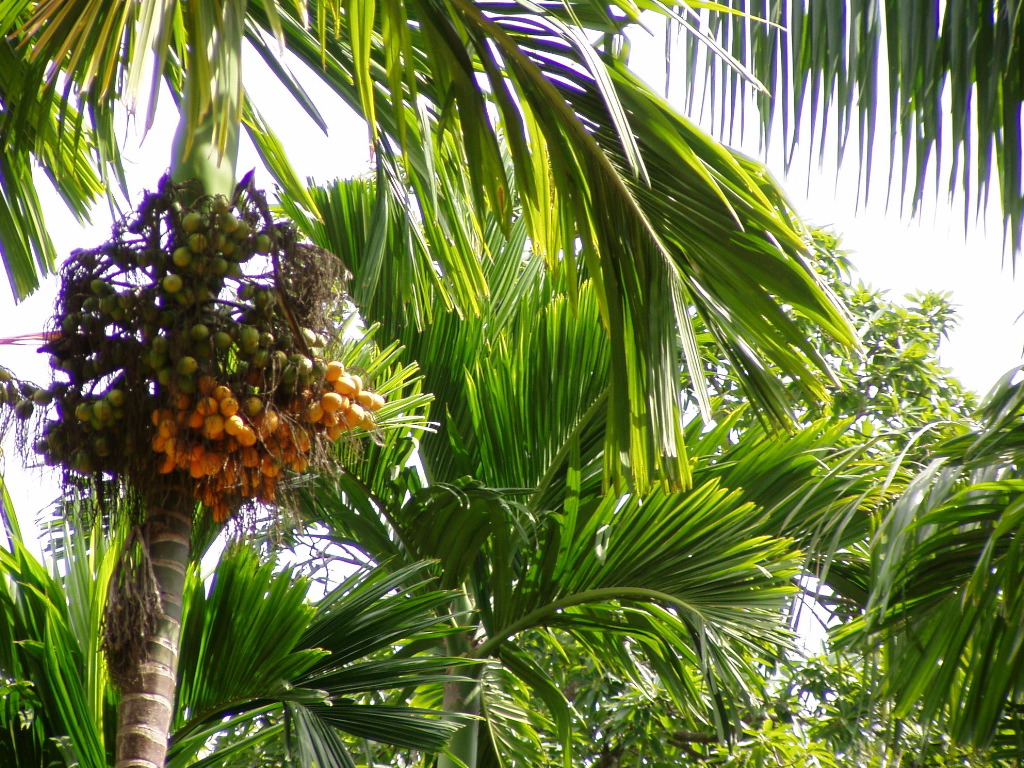
What would you say if we told you that an addictive, cancer-causing substance could help you safely stop using another addictive, cancer-causing substance? Sure, it sounds far-fetched. But it may be true. Chemicals found in the areca nut, which millions of people in Southeast Asia chew for its stimulant properties, could one day help people quit using tobacco.

According to ongoing research presented on Wednesday at the 253rd National Meeting & Exposition of the American Chemical Society, chemists have identified alkaloids in the seed of the Areca catechu palm that may help smokers quit their unhealthy habit without the negative side effects caused by some of the commonly available smoking cessation drugs.

Nicole Horenstein, a chemist at the University of Florida, estimates that 600 million people use the areca nut regularly. The nut, known for its mild stimulant properties, is often wrapped with leaves from the betel vine to form what’s known as a “quid.” Areca chewers often add spices, calcium hydroxide (slaked lime), and sometimes tobacco to the quid. Users chew it and hold it in their mouths, in much the same way that people in the United States use smokeless tobacco products such as snuff or chewing tobacco.

The key to this possible new tool in the public health battle against nicotine addiction is the alkaloids found in areca nuts. Horenstein’s team has found that some of the nut’s alkaloids could be better at targeting the desired brain receptors to treat nicotine addiction than other smoking cessation drugs such as the popular drug Chantix (varenicline). While varenicline binds to nicotine receptors in a person’s brain to help them not crave a cigarette, it also binds to some unintended receptors, causing side effects like sleep walking and suicidal thoughts.

The researchers conducted this study on frog cells that contain the same receptors areca nut affects the human brain and body cells, and they found that the molecules they’re developing from areca alkaloids can target these receptors more precisely, accomplishing the same goal as Chantix without the negative side effects.

Inverse

Swiss Cannabis Startups Crave Low-potency

Switzerland changed its laws in 2011 to let adults buy and use cannabis with up to 1 percent THC, the chemical compound that produces a high. But its money-making potential seems only to have been discovered late last year, officials said.

The number of retailers registered to sell low-THC cannabis has risen to 140 from just a handful last year, the agency says.

It expects revenue of around $US25 million on legal sales of $US100 million from cannabis in 2017, although the spokesman said the figure could be far higher if the boom continues.

KannaSwiss, a wholesaler that supplies shops with organically-grown low-THC cannabis to smoke or take orally, has quadrupled its staff to 20 since last year, but boss Corso Serra di Cassano says the company still can’t keep up with orders.

The company was founded by two scions of aristocratic families: di Cassano, whose lineage includes an Italian prince beheaded in 1799, and Boris Blatnik, whose sister married into the deposed royal family of Greece. They compare the high from low-potency pot to drinking a couple glasses of wine.

Switzerland’s experimentation with low-THC cannabis comes as several US states have decriminalized or legalized pot.

Europe has a patchwork of laws. The Netherlands is known for coffee shops where the authorities allow sales of small quantities of marijuana. In January, Germany’s lower house of parliament passed a law legalizing medical cannabis.

Several countries have explored changing the rules to reduce penalties for possession of marijuana or permit strains low in THC. But the Swiss were among the first to make recreational low-potency pot fully legal and tax it.

Yahoo News

Maryland Legislators Propose Treating Heroin Addiction with Medical Marijuana

Maryland legislators have proposed a new plan to treat the state’s growing number of opioid addicts with medical marijuana. The proposal is being added to a current bill that would completely rewrite the laws concerning the state’s medical marijuana program. The House Health and Government Operations Committee just approved an amendment to the bill, adding “opioid use disorder” to the list of eligible conditions that medical marijuana can be prescribed for.

The issue of using MMJ to treat opioid addiction is a controversial one, as there is little current research that either proves or disproves its effectiveness as a treatment. “There is evidence that cannabis may be effective in alleviating certain forms of pain, and may be useful therefore in reducing opioid use. But there is no evidence that cannabis may help reduce opioid addiction,” said Dr. Daniele Piomelli.

“We have looked at the medical evidence, and we thought it made sense,” Delegate Sandy Rosenberg, who led the team of legislators currently rewriting the bill, said. “We thought we should leave it up the doctors. We don’t legislate medical judgment.”

However, Republican legislators are not convinced. “Replacing one habit with another may not be a good idea,” said House Minority Whip Kathy Szeliga, “Treating opioid addiction with pot is a not a clean-and-sober approach.”

Merry Jane

Lactuca Virosa: Another Plant Used as Alternative Painkillers

Known as the “poor man’s opium”, wild lettuce is an excellent and natural painkiller. Lactuca Virosa can be used as an alternative to traditional and often addictive prescription painkillers. The power of this vegetable – a cousin to the lettuce we buy at the grocery store – is found in the white substance produced in its leaves and stem. The Latin prefix “lac” means milk and is meant to describe the plant’s bitter white sap.

The pain-relieving properties of wild lettuce were already being utilized as early as the 19th century, however, it was only during the 1970s that it gained popularity.

There are two popular ways of enjoying wild lettuce. The first is to cook the plant in a sugar-water mix until it reaches a syrup-like consistency; the solution is then drunk as medicine. This has been found to be quite effective, although the bitter taste remains.

Looks can be deceiving

Wild lettuce is often overlooked because of its weed-like appearance. Still, several studies point to the numerous health benefits of the plant. Studies have also found that people with asthma respond better to the wild lettuce treatment than to opiates. This is because patients tend to undergo an opiate withdrawal which can be more challenging than their actual condition.

The need for pain relief

Pain is a major public health problem. In America, between $560 billion and $635 billion is spent on pain treatment annually; this translates to each American spending around $2,000 just for pain relief. The National Academy’s Institute of Medicine notes that 100 million Americans currently suffer from chronic pain.

There are two caveats to note: Since wild lettuce manipulates the function of the central nervous system, it should not be taken for at least two weeks prior to any major surgery.

Asia Cruise News

Poppy Seed Tea: Beware This Beverage

The opium poppy plant (Papaver somniferum) has been cultivated for centuries as a source of opium. The poppy plant produces seed pods. The pods produce a latex (milky sap that coagulates on exposure to air) that contains opiates; opiates also are found on the surface of the seeds inside the pods. Opium is harvested by slitting the unripe pod and allowing the latex to ooze through the slits onto the surface of the pod where the dried latex is collected.

The latex, seeds, stems and leaves contain opiate alkaloids, including morphine and codeine, and lower amounts of thebaine, noscapine, and papaverine. The highest concentrations of opiates are found in the latex. The opiate content is highly variable, depending on, among other factors, the growing location, harvesting, and processing. The amount of morphine in the seeds is substantially reduced after grinding (34%), baking (90%), or washing with hot water (70%). The seeds usually contain more morphine than codeine, but some seed varieties may contain significant amounts of codeine.

While poppy seeds are used in food, the amount of opiates found in food is highly variable, depending on the relative number of poppy seeds in or on the food and the exposure of the seeds to heat. Morphine loss during processing can be up to 90%.

Eating poppy seeds can lead to positive opiate tests in urine drug screening; opiates can be detected in blood, saliva, and hair as well. Opiates may be detected in the urine for 48 hours after poppy seed ingestion. Detection of unique metabolites is used to distinguish poppy seeds from heroin. The “poppy seed defense” has been used in cases of failed urine screening tests for employment and for sports drug testing, including the Olympics.

Poppy tea or poppy seed tea (also called opium tea) is made from the seed pods or the seeds of the opium poppy plant. Poppy teas are herbal beverages and are not true teas in that they do not contain the leaves of the tea plant (Camellia sinensis).

The high variability of the morphine and codeine content of teas prepared from the poppy plant may lead to accidental overdose. The more restrictive use of prescription opioids for chronic pain may increase the use of these homemade remedies. Education of at-risk patients that poppy teas are not harmless herbal beverages could prevent morbidity or mortality.

Medscape

Absolution in a Judicial Case of Coca Leaf in Spain

BARCELONA – The unprecedented resolution of a court case for coca leaf imports took place yesterday at the Provincial Court of Girona. F.T., a Colombian citizen living in Spain was acquitted of charges of drug trafficking after a large display of evidence and arguments about the historical, cultural, social and medicinal value of the coca leaf.

The case began in 2014 when F.T. was arrested for mailing a package containing 2kg of ground coca leaf, used in millenarian practices in the Andean and Amazonian regions with different ceremonial, medicinal and nutritional purposes.

Accused of receiving “cocaine” and “moved for the purpose of distributing cocaine among third persons,” the Prosecutor’s Office requested 4 years of imprisonment, establishing at the same time that the amount of cocaine that was intended to be obtained was 6.3 grams (note that, according to the doctrine of the Spanish Supreme Court, the threshold for possession of cocaine for personal consumption is set at 7.5 grams).

After several years of extensive process, on March 15, 2017, the trial of F.T. finally took place, ending with the removal of the charges by the Public Prosecutor and the acquittal of the accused (the official sentence is still due). The F.T. defense team, led by Barcelona lawyer Roberto Castro, and integrated by ICEERS and TNI, has reached an unprecedented goal in a coca leaf case in Spain, with potential impact in other European countries.

The defense expert’s work focused on the legal status of the coca leaf, international debates on its classification in international drug treaties, its alleged health benefits and its role of social cohesion both in the original contexts and in the Andean diaspora around the world. Also, the revival of coca leaf use outside the limits of what would be considered traditional or indigenous in purist terms was emphasized. Finally, the experts argued the absurdity of importing two kilos of the ground leaf with the purpose to extract cocaine for later distribution, something that was evidenced during the trial after declaring the experts of both the defense and the National Institute of Toxicology.

During this process, not only the innocence and honor of F.T. has been demonstrated, but also the historical error of the prohibition of the coca leaf and of cultural practices that surround it.

TNI

Marijuana Could Be Legal In All 50 States by 2021

Marijuana could be legal across the entire United States by 2021, according to the latest research by GreenWave Advisors.

It is for this reason that GreenWave believes legal weed is on the cusp of expanding into a number of additional states within the next few years. There is momentum to put marijuana legalization initiatives on the ballots in 2018 and 2020, a series of events that could lead to all 50 states having some sort of legal weed within the next four years, reports the Motley Fool.

A similar report from Arcview Market Research and New Frontier Data shows the nationwide cannabis industry could be worth around $22 billion by 2020. It also suggests that the legal marijuana industry could resurrect the middle class — the lifeblood of the American economy – by creating more jobs than the culmination of the manufacturing and government sectors.

It makes sense why communities in states like Pennsylvania and Ohio are hoping that legal marijuana can fill the void left where more traditional industries failed them. Over the past couple of weeks, a number of reports have surfaced showing that blue-collar workers are looking toward the newfound marijuana industry to create thousands of jobs for those people previously employed by steel manufacturers and other vital producers.

Perhaps this is the reason more Americans now support the legalization of marijuana. The latest polls show around 60 percent of the population want weed handled no differently than alcohol or tobacco.

Merry Jane

DRI Seizes 115kg of Khat Leaves

AHMEDABAD: The Ahmedabad zonal unit of the Directorate of Revenue Intelligence (DRI) on Monday seized 115kg of khat, or Catha edulis leaves, valued at Rs 3 crore in the international market, which had been imported from Ethiopia as “Moringa leaves”. Some 96kg of khat leaves was seized in Ahmedabad and 19kg in Bharuch.

Khat is a psychotropic substance prohibited under the Narcotic Drugs and Psychotropic Substances (NDPS) Act, 1985. It is a flowering plant native to the Horn of Africa and Arabian peninsula. It contains a monoamine alkaloid called cathinone or cathine, which is an amphetamine-like stimulant.

DRI officials said the agency gathered intelligence that two courier companies, Skyking Express Parcel Service from Bharuch and Fast Track Express from Ahmedabad, were importing and exporting Khat leaves from the foreign post office in Ahmedabad and the courier cell at the air cargo complex in the city.

It was also found that the duo was exporting khat leaves to the USA, UK, and other countries, by declaring it as dried green tea, from the courier cell at the air cargo complex in Ahmedabad. In the last two or three months, they exported approximately 1,500kg of khat leaves.

Chirag and Ravi were arrested under the NDPS Act and produced before a special NDPS court which sent them to judicial custody. Further investigation is on in the case.

Times of India