DRI Seizes 115kg of Khat Leaves

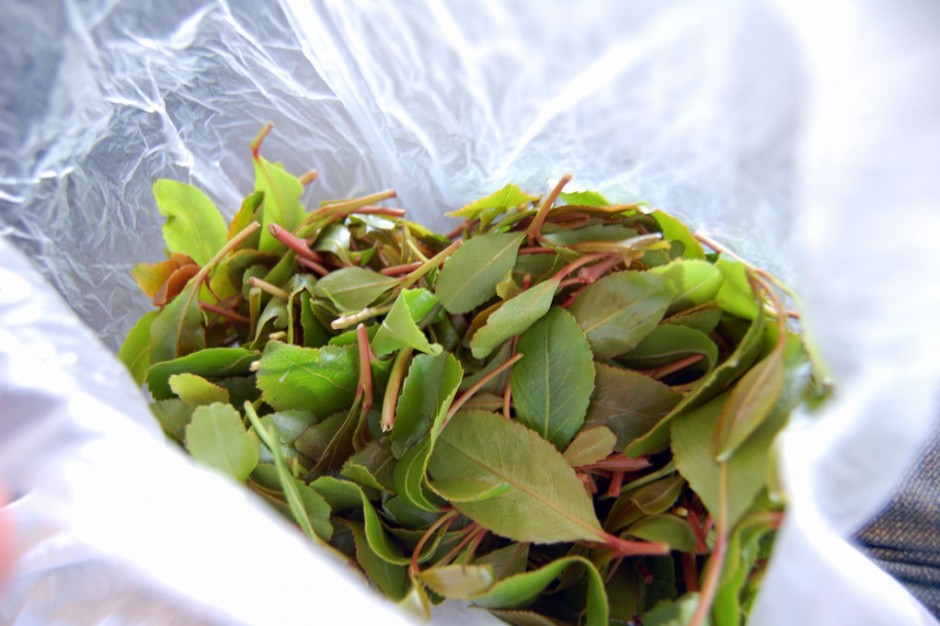
AHMEDABAD: The Ahmedabad zonal unit of the Directorate of Revenue Intelligence (DRI) on Monday seized 115kg of khat, or Catha edulis leaves, valued at Rs 3 crore in the international market, which had been imported from Ethiopia as “Moringa leaves”. Some 96kg of khat leaves was seized in Ahmedabad and 19kg in Bharuch.

Khat is a psychotropic substance prohibited under the Narcotic Drugs and Psychotropic Substances (NDPS) Act, 1985. It is a flowering plant native to the Horn of Africa and Arabian peninsula. It contains a monoamine alkaloid called cathinone or cathine, which is an amphetamine-like stimulant.

DRI officials said the agency gathered intelligence that two courier companies, Skyking Express Parcel Service from Bharuch and Fast Track Express from Ahmedabad, were importing and exporting Khat leaves from the foreign post office in Ahmedabad and the courier cell at the air cargo complex in the city.

It was also found that the duo was exporting khat leaves to the USA, UK, and other countries, by declaring it as dried green tea, from the courier cell at the air cargo complex in Ahmedabad. In the last two or three months, they exported approximately 1,500kg of khat leaves.

Chirag and Ravi were arrested under the NDPS Act and produced before a special NDPS court which sent them to judicial custody. Further investigation is on in the case.

Times of India

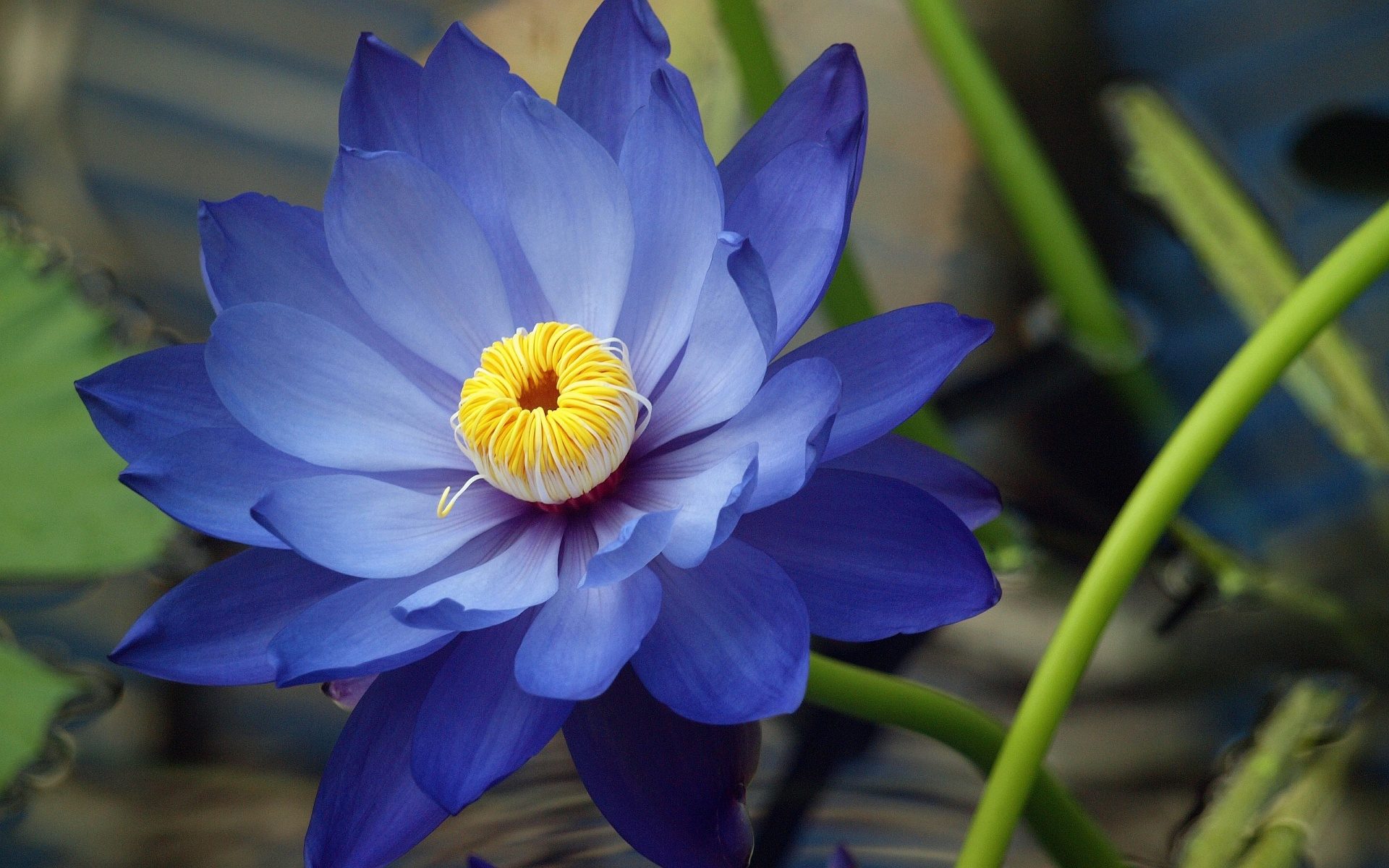
Gardening Tips For Divine Blue Lotus

The sacred lily of the Nile is said to be very symbolic in the Egyptian art. The extracts are said to relieve stress and that is why they are used in abhyanga massage, basti treatments, the arts, and yoga. It is believed that these Blue lilies are drought tolerant and are most common landscaping plants. Here are some tips to grow divine blue lotus.

Tips to grow divine blue lotus are:

1. You will need: Blue Lotus seeds, rich clay soil mixed with black cow manure, pots, newspaper, sand, and water.

2. Climate: Best season to grow blue lotus (Nymphaea caerulea flowers) is spring so plant them in sunny place in medium clay loam. (Note: the blue lilies grow well along the lakes and rivers in wet soil conditions so you can as well plant them at the sides of your garden pond.

3. Planting: Firstly, line all the clay pots with newspapers so that the soil doesn’t drain out while watering. Fill all the pots with clay black cow mixture. Plant the seeds in the soil. Spread an inch of sand on the soil layer so that the mud doesn’t get dirty. Submerge the soil layer completely in water (water temperature needs to be above 65-75 F).

4. Maintenance: The Bluewater lilies love high-quality fertilizers so they need to be fed once in every month. If there is the growth of green algae due to fertilizers, it is fine as the water lilies would have already absorbed the required nutrients. The growth of water lilies is very rapid and they soon develop rhizomes so it best to move them to larger pots once they start getting bigger. For Aphids, spraying water on the plants and flowers will keep them away. You can also use some organic pesticides.

Asianet India

Medical Marijuana Can Help Reduce Opioid Abuse

A 2016 study conducted by the Johns Hopkins Bloomberg School of Public Health found that states with legal medical marijuana had 25 percent fewer opioid-related deaths than states that still prohibit medical marijuana. Another study, published in Health Affairs, found that prescriptions for often-abused opioids dropped significantly in states with medical marijuana.

Last December, the New York Health Department approved medical marijuana treatment for some patients suffering from chronic pain. Doctors are also hopeful that the new treatment will allow some of these patients to wean themselves off of addictive and dangerous opioid medications.

This January, the National Academies of Sciences, Engineering, and Medicine released a review of over 10,000 medical marijuana studies published since 1999. The review found substantial evidence that supports the use of medical marijuana to treat chronic pain, but the study also recommended further research into both positive and negative effects of long-term marijuana use.

Merry Jane

China Approves Indian Arecanut for Imports

Arecanut grown in India has received certification from China, and this has opened up new markets for farmers.

But the challenge remains the price, which is not viable for Karnataka growers because the production cost there is high, while it will help farmers in Assam.

M Suresh Bhandary, managing director, The Campco Ltd, a co-operative of areca nut and cocoa farmers, said that areca nut from the Shivamogga, Puttur, and Coimbatore regions had been processed at a plant in Puttur and after certifying its quality, it had been exported to China.

The Chinese counterparts have now shown interest in the green tender areca nut, which has retained its color. The Chinese market favored the Mohitnagar variety for its quality, he added.

Bhandary said besides the domestic market, the export market had opened up. This will help them to make up for price drops in the domestic market. Till now they did not have an option.
Campco will supply areca nut to Kou Wei Wang (King of Taste), one of the largest mouth-freshener manufacturers in China. The buyer had visited India and was happy with the raw material, said Bhandary.

There are more than 20 manufacturers of areca nut mouth-fresheners in China. As more Chinese are using mouth fresheners to quit smoking, the supply is not enough. The Campco has estimated that 90 per cent of India’s areca nut production can meet China’s demand.

Business Standard

Kava Legal in Relaxation of WA’s Drug Laws

Changes to the State’s medicines and poisons laws last month mean a ban has been lifted on the plant product, bringing WA into line with other States.

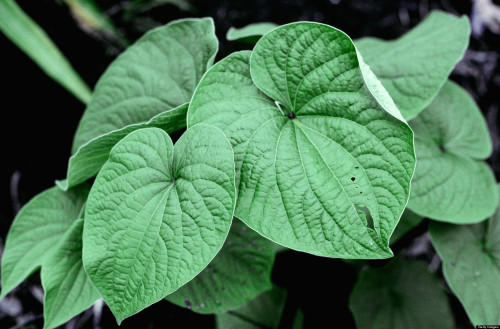
Kava, also known as Piper methysticin, is made from the root of a shrub and in small doses in herbal preparations can relax muscles and help with sleep. The WA Health Department said yesterday kava would be a closely regulated substance in WA.

Low-dose products labeled as a complementary medicine are available over the counter.

The department said patients should still seek expert advice before starting a treatment, and any mental health condition required the advice of a qualified medical professional.

Professor Jerome Sarris, who is deputy director of the NICM integrative medicine institute at Western Sydney University and has done clinical trials into the effectiveness of kava, said it was a sensible step forward.

“Anxiety disorders are complex and can significantly impact people’s day-to-day lives, and research has shown kava compares favorably to the efficacy of existing medications for the treatment of chronic anxiety,” he said.

“However, unlike some other options, it has less risk of dependency and less potential for side-effects such as lethargy and memory impairment.”

The West Australian

Opium for Ayurveda Medicine

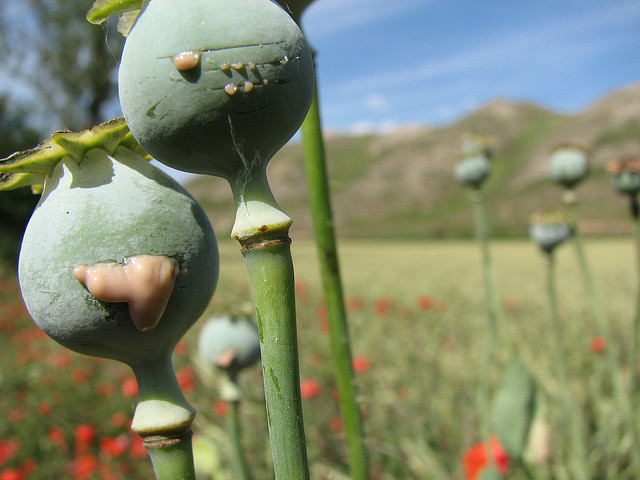
Opium to be grown under State protection to cater to the requirements in the country’s Ayurvedic or native medicine needs was the consensus of stakeholders as stated by the Presidential Task Force on Drug Prevention.

Director of the Task Force Dr. Samantha Kumara Kithalawaarachchi said that opium is essential for Ayurvedic medicinal preparations from stocks confiscated through narcotic raids and elsewhere.

Experts are of the view that provisions should be made in the law to allow the Ayurveda industry, other medicines, and hospitals to meet their requirements according to Dr. Kithalawaarachchi

“There are groups which are trying to derail the campaign of the Task Force by alleging that there is a Governmental move to grow opium and sell it. This is not the case,” Dr. Kithalawaarachchi further elaborated.

Nation Weekend

California Seeks Advisers on Marijuana Rules

Medical cannabis laws passed by the Legislature in 2015 and the recreational legalization measure voters approved in November established similar overarching regulatory frameworks related to cultivation, manufacturing, transportation, sales and other aspects of the marijuana market. State agencies are tasked with developing specific rules to best implement the new laws.

The state intends to create a singular regulatory system for both medical and recreational marijuana by the end of the year. Some question the feasibility of establishing a model for a multi-billion dollar industry in such a short time frame.

The advisory committee will work with the marijuana bureau, food and agriculture and public health departments to help develop “regulations that protect public health and safety while ensuring a regulated market that helps reduce the illicit market for cannabis,” according to the bureau.

The bureau expects the committee to consist of individuals from the cannabis industry, labor unions, public health and state and local agencies, among others.

The bureau said it will accept applications for at least one month. The positions are unpaid and offer reimbursements for travel-related expenses.

The Sacramento Bee

Key differences of Psychedelic drugs like magic mushrooms and LSD: Here’s What you Should Know

What we do know, however, is that psychedelics have a fundamentally different effect on the brain than addictive drugs like alcohol and cocaine do. Cocaine, for example, elicits a deep, euphoric sensation by temporarily flooding the brain’s reward and motivation centers. In some people, this can trigger a cycle of reinforcement that traps them in addition, even when the same amount of the drug no longer results in a characteristic “high.” The psychedelic drug psilocybin, on the other hand (the psychoactive ingredient in magic mushrooms), appears to fundamentally alter the infrastructure of the brain’s prefrontal cortex and change how information in this area of the brain is exchanged.

Psilocybin isn’t the only psychedelic drug that researchers are studying for its potentially therapeutic effects, however. They’re also looking at LSD (“acid”), DMT (ayahuasca), and more. Each drug has a different trip length and varies in terms of its legality across the globe.

Methods for producing, brewing, and taking the drugs differ as well.

While magic mushrooms are typically either grown and eaten, brewed into tea, or ground up and taken in pill form, LSD is made synthetically and usually processed into strips that can be absorbed by placing them on the tongue.

Ayahuasca, on the other hand, is usually consumed as a beverage. It’s brewed from the macerated and boiled vines of the Banisteriopsis caapi (yage) plant and the Psychotria viridis (chacruna) leaf, and it has been used for centuries as a traditional spiritual medicine in ceremonies among the indigenous peoples of Bolivia, Colombia, Ecuador, and Peru. Ayahuasca’s effects come from mixing the drug dimethyltryptamine, or DMT, from the chacruna plant, and the MAO inhibitor from the yage plant, which allows the DMT to be absorbed into the bloodstream.

Business Insider

DEA Asked Public’s Comment On Its Proposed Kratom Ban: 99 Percent Opposed It

When the Drug Enforcement Administration formally backed off plans last year to ban the ability to buy kratom, the agency announced it would accept input from the public to help determine how to proceed.

Kratom is a herb made from the leaves of Mitragyna species, a Southeast Asian tree related to coffee. Often taken in powder form, kratom contains the alkaloids mitragynine and 7-hydroxymitragynine, which appear to activate opioid receptors in the brain and reduce pain. And although most opioids have sedative qualities, low to moderate doses of kratom actually serve as a mild stimulant.

A diverse coalition of supporters appears prepared to stand firm against that move. Of the 2,416 comments submitted to the DEA with profession-related information, nearly half self-identified as either veteran, law enforcement officials, health care professionals or scientists. The overwhelming majority of these were in favor of keeping kratom legal, with veterans supporting by a margin of 448 to 1 and medical professionals supporting by a margin of 569 to 7.

Despite having received overwhelming support in favor of keeping kratom legal, it’s not yet clear how the DEA will proceed. The agency is still awaiting the results of a U.S. Food and Drug Administration analysis of the potential harms and health benefits of the herb, which will determine if kratom truly poses an “imminent hazard to the public safety,” as the DEA initially claimed last year.

“What we found is a kratom community of responsible consumers who look just like your family and the people who live next door,” they said. “The face of kratom consumers is the face of America today.”

Huffingpost

New England hospitals will help women, babies affected by opioid abuse

Dartmouth-Hitchcock’s Perinatal Addiction Treatment Program is using a grant from the March of Dimes to create an online toolkit for hospitals and health centers that want consistent guidelines and a systematic approach to care. For example, the toolkit includes consent forms that enable a patient’s addiction treatment provider and medical care team to share information and work together.

“Providers were saying, ‘I feel like my patients have two different health care teams — they have their addiction treatment provider and they have their perinatal health care team, and the two don’t talk to each other. This is not a safe situation,'” said project coordinator Daisy Goodman.

Officials estimate about 10 percent of newborns in New Hampshire’s Upper Connecticut Valley region are exposed to opioids before birth. While that number has increased, knowledge about how to treat them also has significantly improved, Goodman said.

Participating sites include Dartmouth-Hitchcock clinics in Lebanon, Claremont and New London; Cheshire Medical Center in Keene, Catholic Medical Center in Manchester, Memorial Hospital in Conway, Manchester Health Center and Maine’s Waldo County General Hospital.

NBC

Belladonna Found in Homeopathic Teething Products

Certain homeopathic teething products marketed by Hyland contain belladonna, also known as deadly nightshade, “sometimes far exceeding the amount claimed on the label,” according to the U.S. Food and Drug Administration.

The products in question are made by the Standard Homeopathic Company in Los Angeles. The FDA says it has contacted the company, but “at this time, the company has not agreed to conduct a recall.”

The body’s response to belladonna in children under 2 years of age is unpredictable and puts them at unnecessary risk,” Dr. Janet Woodcock, director of the FDA’s Center for Drug Evaluation and Research, said in the statement. “We recommend that parents and caregivers not give these homeopathic teething tablets to children, and seek advice from their health care professional for safe alternatives.

These products often contain nothing but water, but several brands contain tiny amounts of belladonna, which is supposed to help ease redness and inflammation caused by teething.

WebMD

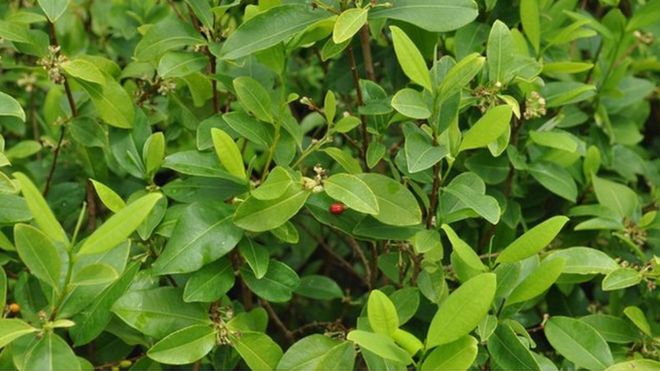
Bolivian Government Proposes Increasing Land for Legal Coca Cultivation

Since 2004, the Bolivian government has allowed coca cultivation to take place on up to 12,000 hectares of land. The government has now proposed that a further 8,000 hectares of land be designated for coca leaf production.

Bolivia, the third largest producer of cocaine in the world, originally introduced legal coca cultivation for domestic consumption due to the violence and corruption being caused by the illegal cocaine trade.

Domestic demand is due to the cultural and religious importance of coca leaf chewing, which causes mildly stimulating effects, among many of Bolivia’s indigenous communities. The effects of chewing coca leaves are markedly different to those of cocaine – the production of which the Bolivian government continues to oppose.

Tom Wainwright, author of Narconomics: How to Run a Drug Cartel, describes Bolivia’s approach to coca production as relying on a fine balance: it involves “[licensing] enough cultivation to feed the market for tea, toothpaste, and all the rest of it, without growing enough to leak into the cocaine trade”.

Indeed, there is currently insufficient legally-produced coca to meet domestic demand, so the proposed expansion appears necessary to undermine illegal traders who seek to fill the market gap.

The proposed expansion has, however, been met with controversy by farmers in certain regions where coca cultivation will continue to be prohibited.

Despite the controversy, this proposed expansion marks a renewed government commitment to regulating coca cultivation and thereby reducing the power of drug cartels.

Talking Drugs

Spinal Cord Stimulation May Cut Opioid Use in Chronic Pain

A spinal cord stimulation system consists of an implanted device that transmits low levels of electrical energy to nerve fibers, interrupting pain signals as they travel to the brain to reduce pain sensation.

Researchers evaluated opioid usage data in 5,476 chronic pain patients prior to and after receiving spinal cord stimulation implant by assessing private and Medicare insurance claims data. They found that spinal cord stimulation therapy was effective for patients at any level of opioid usage before implantation. The average daily opioid use was lowered or stabilized for 70% of patients receiving a successful spinal cord stimulation system vs. patient use of opioids before an implant.

Patients who had a successful spinal cord stimulation implant had significantly reduced opioid use 1-year post-implant whereas patients who removed their implant saw an increase in their opioid use again over time. Specifically, 93% of patients who continued on spinal cord stimulation therapy had lower average daily morphine equivalent doses vs. patients who had their implants removed.

MPR

Oregon Marijuana Tax Revenues Are Down 28% Since October

The good news is that the State of Oregon brought in over 60 million dollars in taxes from adult-use marijuana sales. That is significantly higher than what was estimated to be brought in before 2016 started. However, the bad news is that the tax revenues are declining at a significant pace.

Per The Statesman Journal:

“Taxes collected on sales totaled $5.6 million in December, a 13 percent decline from November and a 28 percent drop from the peak of $7.8 million in October. ”

“For the year, tax collections totaled $60 million, a sizable boost above the $45 million expected by state officials at the beginning of the year. ”

Anyone who is involved in the marijuana industry has already known that the adult-use industry has been suffering. Testing issues and foot-dragging on issuing industry licenses has often been the reasons cited for the industry slowdown.

This upcoming legislative session in Oregon is going to be extremely vital to the future success of the marijuana industry in Oregon. Unfortunately, there are a lot of people in Oregon right now that value profit over compassion and fairness, and the mindset of ‘I’m going to get mine, to hell with yours’ is way too common. Oregon’s legislative session starts in February. I suggest you get in touch with your elected officials early and often.

Weed News

Guest column: Lessons of the Opioid Addiction Epidemic

Opioids, which include Oxycontin, Percocet, Vicodin, and morphine, are powerful painkillers. In the past, opioids were mainly used for patients with cancer pain, at the end of life, or after major surgery. But starting about 20 years ago, there was a big push for doctors to prescribe opioids for acute and chronic pain of all types, such as headaches, fibromyalgia, arthritis and back pain.

At the same time, doctors were told, incorrectly, that these medications were not addictive. As a matter of fact, doctors were told that less than 1 percent of patients on long-term opioid therapy became addicted or dependent on the medications. Furthermore, starting patients on these medications, doctors were told, would return them to normal function. They would get their lives back.

If you are a young person (younger than 25) and take an opioid for any reason — after a surgery, tooth extraction, etc. — you are 50 percent more likely to become addicted in your lifetime. The young brain should not be exposed to opiates unless absolutely necessary.

Now, pain is very personal and emotional for many people. There are many people whose lives have been changed for the better because of opioid therapy, but the above statistics are sobering.

Because of the evolving understanding of opioid pain medications and the drastic increase in people living with addiction, and overdose deaths, providers are becoming more cautious about prescribing these medications. We will explore this and the community response to the opioid crisis in an article in this space next month.

Citizen-Times

For Patients Who Can’t Sleep, Could Valeriana Officinalis Help?

Valerian (Valeriana officinalis) is a plant native to Europe and Asia, and naturalized to the United States. Hippocrates described the medicinal uses of the roots and rhizomes of valerian, and Galen wrote about its use for insomnia in the second century AD.

Valerian is added to tea (ie, herbal infusion) products that are marketed to induce sleep (eg, Sleepytime Extra Herbal Tea by Celestial Seasonings). Unlike true teas, which are marketed as foods, products that contain valerian are marketed in the United States as dietary supplements. Dietary supplement classification allows manufacturers to make structure and function claims, such as “promotes relaxation.”

Like other plant products, valerian contains many chemicals, such as valerenic acid and valepotriates, that might contribute, either alone or collectively, to its pharmacologic activity. The mechanism of hypnotic activity is unknown, but increasing levels of gamma-aminobutyric acid (GABA) has been proposed. Activation of GABA receptors induces drowsiness. Whether GABA in valerian can cross the blood/brain barrier is unclear, and GABA concentrations in valerian can vary significantly depending on the time of plant harvesting.

Clinical studies on the effectiveness of valerian as a hypnotic have yielded mixed results. A valerian extract (530 mg) improved sleep quality in postmenopausal women with sleep disturbances (30% experienced improvement vs 4% with placebo). A trial of patients with sleep disturbances while undergoing cancer chemotherapy found that valerian extract (450 mg) was no better than placebo, but a secondary analysis suggested some improvement in fatigue. A sleep laboratory study of older women with insomnia reported no difference between valerian extract (300 mg) and placebo in a randomized controlled trial. A recent meta-analysis of clinical trials found that the effects of valerian were similar to those of placebo in terms of sleep onset latency, sleep duration, sleep efficiency, sleep quality, or duration of wakefulness after sleep onset.

For short-term use, valerian appears to be safe. Most clinical trials on sleep have spanned 4 weeks or less; one study evaluated safety and efficacy for 8 weeks. The safety of long-term continuous use is unknown. The safety of valerian in pregnancy and lactation is also unknown.

Valerian has not been associated with clinically significant drug interactions. In theory, valerian could be additive with other central nervous system depressants, but this has not been demonstrated in clinical research.

Remind patients that good sleep hygiene, such as going to bed around the same time every night; avoiding bright light (eg, a computer screen) at bedtime; and relaxing by reading, listening to soothing music, or taking a hot bath, also may be helpful.

Medscape

Study Links Medical Marijuana to Fewer Traffic Fatalities

A new study from Columbia University found that traffic fatalities have fallen in seven states where medicinal cannabis is legal and that, overall, states where medical marijuana is legal have lower traffic fatality rates than states were medical marijuna remains illegal.

The study found that “medical marijuana laws were associated with immediate reductions in traffic fatalities in those aged 15 to 24 and 25 to 44 years, and with additional yearly gradual reductions in those aged 25 to 44 years.” Medical marijuana is now legal in 28 states.

The researchers used traffic accident data from 1985 to 2014, about 1.2 million accidents. They focused on the relationship between medical marijuana laws and the number of fatal traffic accidents, examining each state with legalized medical marijuana separately.

They also looked at the relationship between the existence of medical marijuana dispensaries and traffic accidents, finding a reduction in the number of fatal accidents among those ages 25 to 44 in areas where dispensaries were open.

Report conclusions
The researchers concluded that both medical marijuana legalization and dispensaries were, on average, associated with a reduction in traffic fatalities, particularly among drivers 25 to 44-years-old.

They suggested a few possibilities for this conclusion.

Those under the influence of marijuana are more aware of their impaired condition than those under the influence of alcohol and may more often make the choice not to drive.
More people have replaced going out to drink in bars with partaking of marijuana at home, reducing the number of impaired drivers on the road.
An increased police presence in areas where medical marijuana is legal could have led to fewer people attempting to drive while under the influence of marijuana.

“Instead of seeing an increase in fatalities, we saw a reduction, which was totally unexpected,” Julian Santaella-Tenorio, the lead researcher on the study, told Reuters.

Entrepreneur

National Academy Of Sciences: Marijuana Is An Effective Medicine

Medical marijuana supporters rejoiced today as the National Academy of Sciences, Engineering, and Medicine released findings which concluded that marijuana is an effective medicine. The federal government classifies marijuana as a Schedule I substance which is based off of a determination that marijuana has no medical value.

Today’s report obviously shoots down that claim, as does the fact that the federal government owns patents based on marijuana’s medical properties, in addition to the federal government growing and distributing marijuana for medical purposes.

The National Academy of Science’s conclusions that marijuana possesses established therapeutic utility for certain patients and that it possesses an acceptable safety profile when compared to those of other medications or recreational intoxicants are not surprising. This evidence has been available for some time, yet for decades marijuana policy in this country has largely been driven by rhetoric and emotion, not science and evidence.

Today, 29 states and Washington, DC permit physicians to recommend marijuana therapy. Some of these state-sanctioned programs have now been in place for nearly two decades. Eight states also permit the regulated use and sale of cannabis by adults. At a minimum, we know enough about cannabis, as well as the failures of cannabis prohibition, to regulate its consumption by adults, end its longstanding criminalization, and to remove it from its Schedule I prohibitive under federal law.

Currently 28 U.S. states have medical marijuana laws, and 16 additional states have CBD laws (a non-psychoactive component of medical marijuana). Last summer, the DEA announced that it would not reschedule marijuana. The NAS report notes that “There are specific regulatory barriers, including the classification of cannabis as a Schedule I substance, that impede the advancement of cannabis and cannabinoid research.”

Weed News

The Immense Health Benefits of Kratom Can Now Be Had through Capsules

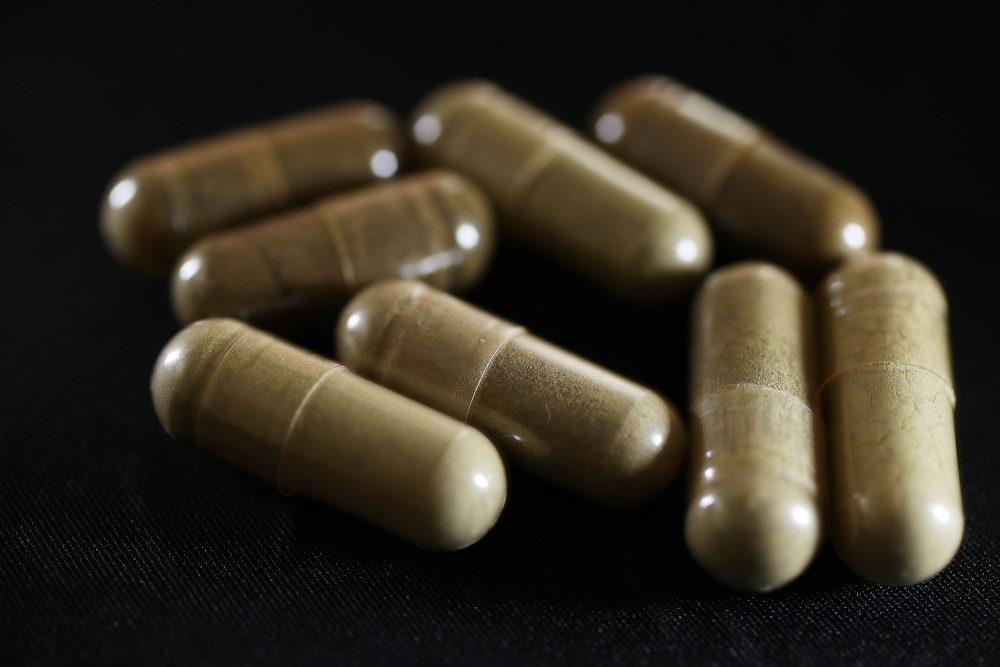
Canadian Botanicals says that the Kratom capsules they offer are produced in Canada under strict regulations that govern the pharmaceutical and food industries, and are tested for micro contaminants, heavy metals and solvents.

The Kratom Canada company adds that the capsules are 100% organic because they are made of freshly dried and high quality leaves of kratom leaves that are harvested daily from the older trees in the Asian jungles. Due to skilled harvesting and drying techniques, the leaves contain a high alkaloid content. The company assures customers that they check every shipment for quality and potency. That is why the kratom they are offering is widely known as the “best kratom around,” says Canadian Botanicals. In short, those who opt for using this antioxidant can get relief from pain and stress-related issues.

Canadian Botanicals that has been offering various products including kratom tea is now introducing kratom capsules. So, those who have hitherto been buying kratom powder for enhancing their immune system and for getting relief from their blood pressure-related ailments will have the option of going for these capsules. Users can get relief from pain and stress-related issues also.

SAT Press Release

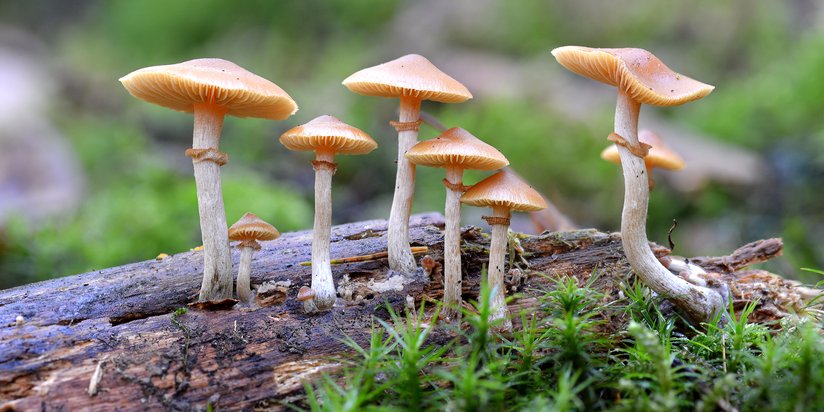
Magic Mushrooms: Reveals Negative Effects Of Psilocybin Mushrooms

Psilocybin is considered as a drug with high potential for abuse and is not considered for medicinal use. However, mushroom-derived psilocybin is used in developing treatment for neurological disorders. When used properly, psilocybin mushrooms are found to be effective antidepressants. It can also be used to treat alcoholism and other addictions.

In a study published in the Journal of Psychopharmacology, researchers surveyed 2,000 people who experienced negative effects while taking psilocybin-containing “magic mushrooms,” The survey was focused on the challenging experiences the respondents had linked to the drug.

Results revealed that 10.7 percent of the participants have exposed themselves or others to physical harm, meanwhile, 2.6 percent said there were times when they acted violently or aggressively. Some 2.7 percent said they had the need to seek medical help while five of the participants said they attempted suicide at worst.

The researchers advised caution in using the magic mushrooms. They added it must be used under supportive and safe environments, like those in ongoing studies, to prevent negative effects.

iTech Post