CDC flooded with comments on marijuana and kratom as alternative painkillers ahead of deadline

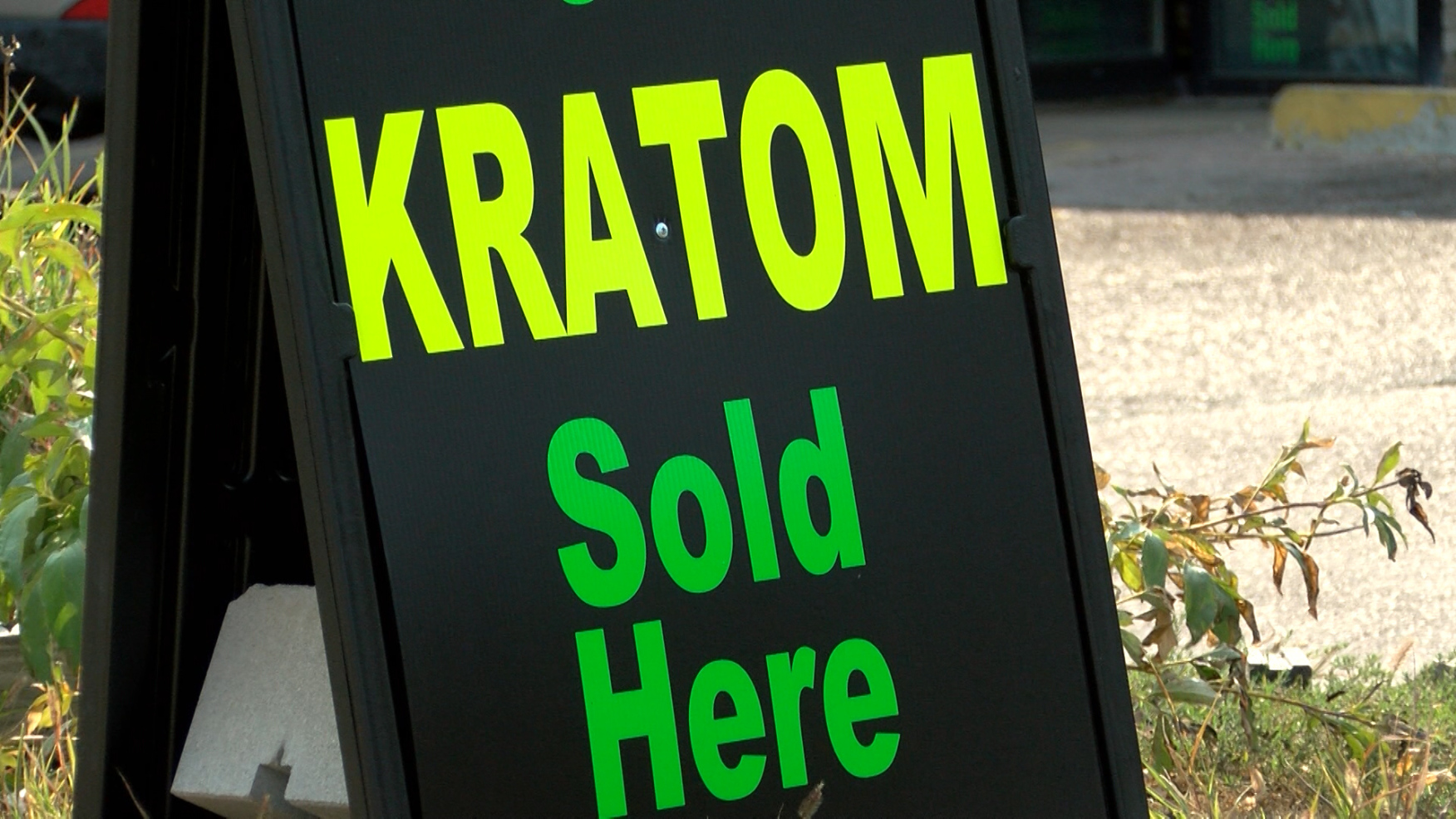
Federal regulators looking into pain management options at the Centers for Disease Control and Prevention have received hundreds of comments related to medical marijuana and more than 1,000 about kratom.

The federal agency’s National Center for Injury Prevention and Control is looking for input on “individual stakeholder’s values and preferences related to pain and pain management options,” it said in an e-mail last week.

“Through this opportunity, CDC is seeking stakeholders’ perspectives on and experiences with pain and pain management, including, but not limited to, the benefits and harms of opioid use,” it said. “CDC invites input specifically on topics focused on using or prescribing opioid pain medications, non-opioid medications, or non-pharmacological treatments (e.g., exercise therapy or cognitive behavioral therapy).”

Read more at MSN.

Is CBD Legal In Missouri?

What is CBD Oil?
CBD is shorthand for Cannabidiol, an extract from hemp (and sometimes marijuana) plants that boasts a variety of healing properties and has been rapidly popularized across the United States in recent years. It is a powerful anti-inflammatory and can be used for a variety of conditions and ailments, including epilepsy, anxiety, and chronic pain.

While CBD oil will usually have a minor trace of THC present, it will not produce the same psychoactive effects produced by marijuana extracts. Currently, only CBD extracted from hemp plants is permitted for cultivation and purchase by the federal government.

Is CBD Legal In Missouri? Find out at The Weed Blog…

“We’re criminalizing a generation,” says one of South Dakota’s marijuana-legalization leaders

Leaders of ballot measures to legalize marijuana for medical and recreational uses in South Dakota rolled out for reporters a list of 50 people endorsing their efforts Wednesday.

Brendan Johnson, a past U.S. attorney for South Dakota, is sponsor of Constitutional Amendment A. It would allow people who were at least age 21 to use South Dakota-grown marijuana, or to grow, transport or distribute it in South Dakota to people who are at least 21.

A 15 percent excise tax on sales would be levied to pay for regulation by the state Department of Revenue, with any excess revenue to be split between state aid to public schools and state government’s general fund. The Legislature could adjust the rate after November 3, 2024.

Marijuana remains illegal under federal law.

Keep reading

Monroe County supervisors rescind ban on kratom

A countywide ban of the herbal product kratom put in place last spring was lifted Monday morning following a 3-2 vote by the Monroe County Board of Supervisors to rescind it.

A delegation of citizens, business owners and advocates of kratom made impassioned pleas for the supervisors to overturn the countywide ban on the controversial supplement for treating chronic pain.

Supervisors met for half an hour in executive session before going back into open session to take the vote. Supervisors Joseph Richardson, B.R. Richey and Rubel West voted in favor of rescinding the ban, while Fulton Ware and Hosea Bogan voted to keep it in force.

Representatives from the Crime and Addiction Task Force of the Lowndes County Foundation requested for the previous administration of supervisors to pass the ban last March, making it the seventh county in the region to approve a kratom ban.

Keep reading…

Meet the Vermont marijuana legalization advocate running for the office of ‘high bailiff’

The irony is not lost on Dave Silberman. The Vermont-based drug policy advocate and lawyer who has been working for years to reform the state’s marijuana laws is running for the office of … high bailiff.

No, really. In Vermont, each county elects a high bailiff whose singular responsibility is to arrest the sheriff if they engage in unlawful conduct. Silberman wants to occupy that position in Addison County — and he plans to use it as a platform to advance bold reforms, including legalizing all drugs.

The candidate recently spoke to Marijuana Moment about the need to have a person challenging the status quo — rather than someone in law enforcement, as is typically the case for high bailiffs — assume the role.

Read more at the Boston Globe

Get Ready for Pharmaceutical-Grade Magic Mushroom Pills

In 1955, a bank executive and a New York society photographer found themselves in a thatch-roofed adobe home in a remote village in the Mazateca mountains. Gordon Wasson, then a vice president at J.P. Morgan, had been learning about the use of mushrooms in different cultures, and tracked down a Mazatec healer, or curandera, named María Sabina. Sabina, about 60 at the time, had been taking hallucinogenic mushrooms since she was a young child . She led Wasson and the photographer, Allan Richardson, through a mushroom ceremony called the velada.

“We chewed and swallowed these acrid mushrooms, saw visions, and emerged from the experience awestruck,” Wasson wrote in a Life magazine article, “Seeking the Magic Mushroom.” “We had come from afar to attend a mushroom rite but had expected nothing so staggering as the virtuosity of the performing curanderas and the astonishing effects of the mushrooms.”

Read more at VICE

Cannabis Legalization Is Key To Economic Recovery, Much Like Ending Alcohol Prohibition Helped Us Out Of The Great Depression

Our nation is in the midst of the greatest crisis in generations, with the Covid-19 pandemic impacting Americans’ physical and emotional well-being, while plummeting the nation’s economy into the worst economic downturn in our lifetimes. As the country begins what is likely to be a slow climb out of economic morass, federal, state, and local governments will be looking for new sources of revenue to replenish dwindling budgets and provide jobs to millions of Americans who find themselves out of work.

The situation is reminiscent of what the country faced during the Great Depression nearly 100 years ago. At that time, one of the government’s solutions was to end its 13-year experiment with alcohol prohibition. Today, the very same factors that caused the government to pull the plug on alcohol prohibition should result in the final nail in the coffin of the country’s much longer standing but equally unjust policy of marijuana prohibition.

Keep reading…

Cannabis and COVID-19: Pandemic’s Impact on Legalization and Legislation

By early 2020, marijuana had made tremendous strides toward legalization—for either medicinal or recreational purposes—in most states and even implicit federal recognition in the form of safe-harbor legislation for insurers and banks conducting business with the cannabis sector. But then COVID-19 struck, and progress predictably slowed. Nonetheless, unintended effects of the global pandemic may ultimately usher in a new wave of legalization and protection for marijuana businesses and the insurers and banks who work with them.

Jan. 1 marked the first day of adult-use marijuana sales in Illinois, the latest state to legalize marijuana for adults and the first to provide a comprehensive legal blueprint in the form of legislation that addresses everything from taxation to social justice. In all, at the beginning of 2020, medical marijuana was legal in 33 states, and another 11 had legalized recreational adult use, with several other states—most notably, New York and New Jersey—making a big push to do the same, despite marijuana’s continued illegal status at the federal level.

Read more…

Can CBD Companies Secure Federal Trademark Protection?

With the growing popularity of hemp-derived cannabidiol (hemp CBD) products in e-commerce, the U.S. Patent and Trademark Office (USPTO) has seen a significant influx of trademark applications used in association with CBD goods. However, many of these applications have been denied by the USPTO. This article briefly addresses the reasons for these denials and discusses the trademark protections currently available to the industry.

To secure federal trademark registration, a mark’s use in commerce must be lawful under federal law.

Although the Agricultural Improvement Act of 2018 (the 2018 Farm Bill) legalized the production of hemp and hemp derivatives, including hemp CBD, by removing hemp from the Controlled Substances Act’s definition of marijuana, the new law did not legalize the production of hemp CBD products. Instead, the 2018 Farm Bill expressly preserved the FDA’s authority to regulate these products under the Food, Drug and Cosmetic Act (FDCA).

Read more…

D.C. ‘magic mushrooms’ petition to be signed online, by mail

Advocates for decriminalizing “magic mushrooms” and other psychoactive plants are asking D.C. voters to sign a petition online or by mail to put Initiative 81 on November’s ballot.

Decriminalize Nature D.C., the nonprofit behind the decriminalization effort, first will send 10,000 petitions to D.C. voters to sign and return by mail or email. Depending on the response to the first 10,000 mailers, the campaign intends to send out 250,000 additional petitions to voters.

The group needs to get 30,000 valid signatures by July 6 to put the “Entheogenic Plants and Fungi Act of 2020” on the ballot.

The D.C. Council last week approved its omnibus coronavirus-related bill, which changed how petitions can be collected for ballot initiatives to make the process safe during the pandemic.

Read more at Washington Times…

Most People In Recreational Marijuana States Believe Legalization Is A Success, Poll Finds

People who live in states that have legalized marijuana for adult use broadly feel that the policy has been a success, according to a new poll.

A majority of people from eight states that were surveyed said the programs are working well. And in Maine, which legalized cannabis in 2016 but still doesn’t have any adult-use retail shops open, people still said the law is more of a success than a failure by a greater than two-to-one plurality.

YouGov asked more than 32,000 people the following question: “In the states that have decided to allow recreational marijuana use, do you think the legislation has been a success or a failure?”

They were given five options: “Success only, more of a success than a failure, more of a failure than a success, failure only or don’t know.”

Continue reading here

Cascade County Officials Express Concern About Kratom

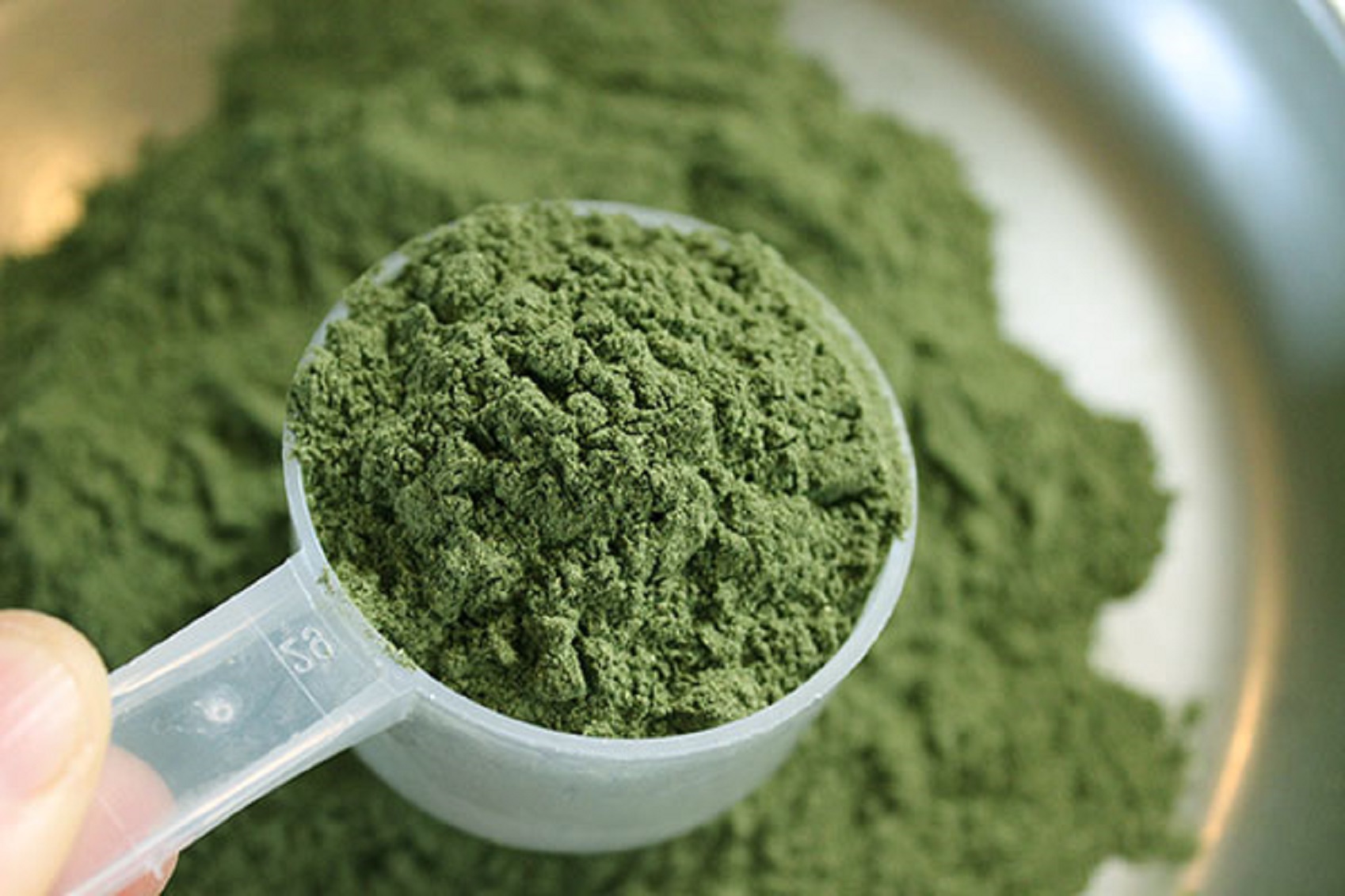
Kratom Powder

Kratom, or Mitragyna speciosa, is a plant which grows naturally in Thailand, Malaysia, Indonesia, and Papua New Guinea. The U.S. Food and Drug Administration is concerned that the drug, which affects the same opioid brain receptors as morphine, may have properties that could expose users to the risks of addiction, abuse, and dependence.

In Cascade County, officials including Dr. Deborah Rose with Benefis Health System, Great Falls Police Chief Dave Bowen, and District Judge Gregory Pinski are also concerned about kratom extract and powders’ existence in the community. According to Pinski, almost all criminal activity in Great Falls is connected to substance abuse, and the addictive nature of Kratom and other drugs like it are exacerbating that problem.

Read more at KRTV

Oregon CBD company’s lawsuit claims botched extraction led to legal woes, losses

The Oregon CBD company that beat back felony marijuana charges last year in Linn County is in court again, alleging that a botched extraction job got it into that legal mess and cost it a ton of money.

Key Compounds LLC is suing Phasex Corp. and its president, claiming the Massachusetts company was negligent and in breach of contract when it allegedly shipped Key Compounds a batch of hemp oil that far exceeded the legal limit for the intoxicating compound THC.

The shipment — its odor, specifically — caught the attention of a UPS employee in Albany. That set off a chain of events that included a law enforcement raid on Key Compounds’ own local extraction facility and felony marijuana charges against CEO Alex Reyter and another employee.

Read the full story at Portland Business Journal.

Efforts to Legalize Psychedelics is Quickly Picking Up Momentum

Denver, Oakland, and Santa Cruz voted to decriminalize mushrooms. Washington, D.C. just took a major step toward adding legalization to the Nov. 2020 ballot. Chicago city leaders passed a resolution supporting scientific and medicinal research, with a goal of decriminalization. Vermont lawmakers filed a bill to decriminalize it, as well. Even Oregon is pushing to legalize psilocybin mushrooms for therapeutic purposes.

All thanks to reports that show psychedelics have therapeutic benefits. For example, researchers at New York University found psilocybin mushrooms caused a “rapid and sustained” reduction in anxiety and depression in patients with cancer, as reported by the Financial Post. Researchers from the University of California David found that micro-dosing with psychedelic drugs for a prolonged period of time showed promise.

Read more here…

DMAA ruling has broader implications for botanicals

Eight years ago, U.S. regulators cautioned 1,3-dimethylamylamine was an unlawful ingredient in dietary supplement products.

Several companies received warning letters in 2012 over the then-popular ingredient known simply as DMAA, which FDA described as an “amphetamine derivative” posing health risks that may lead to such cardiovascular problems as arrhythmias, heart attack or shortness of breath.

Todd Harrison, a lawyer in Washington, D.C., who advises clients on FDA regulations, agreed the vast majority of companies that receive warning letters from FDA try to address the agency’s concerns.

“I would say 90% of them do,” he said in an interview.

Read more…

2020 was supposed to be a big year for marijuana legalization. Then the coronavirus happened.

At the start of 2020, more than a dozen states seemed very likely to legalize marijuana for recreational or medical purposes by the end of the year. Now that a coronavirus pandemic has overwhelmed just about every aspect of American life, it seems only a handful of states will be able to enact marijuana reform.

The pandemic has hit legalization efforts on two fronts: First, at a time of social distancing, advocates in some states just can’t gather the signatures they need to get the issue on the ballot. Second, state lawmakers who might have passed marijuana legalization before quickly shifted to other priorities once the coronavirus crisis began.

Vox has the full story.

New Virginia law recognizes hemp extracts as food

The State of Virginia has passed a law defining hemp extracts as an approved food. The law also allows a more liberal amount of THC in these products during the growth phase than does the federal description of industrial hemp.

The new definition is part of a law passed by the state to set up a fund to promote industrial hemp production within Virginia.

There are a number of states in which medical marijuana products have been approved, and a smaller number in which full recreational cannabis use is allowed. The market for hemp/CBD extracts is thriving in these locations, and CBD products marketed as dietary supplements, while technically illegal on the federal level, seem to be available throughout the country, either online or in brick and mortar outlets.

Read more here…

Advocates For Magic Mushroom Initiative Will Keep Trying To Get It On The Ballot, Using Snail Mail

A nascent effort to reduce penalties on the possession and use of magic mushrooms and other psychedelic plants in D.C. was dealt what seemed like a fatal blow by the coronavirus pandemic — but proponents say they plan on soldiering on, using the mail to collect tens of thousands of signatures to put the issue on the November ballot.

To get an issue on the ballot, proponents have to gather signatures from 5% of D.C.’s registered voters — roughly 25,000 signatures at this point — within a six-month period. But with normal signature-collection a virtual impossibility because of the city’s stay-at-home order and social distancing norms, leaders of the Decriminalize Nature D.C. say they instead plan on sending petitions directly to households and asking voters to sign them and send them back.

Read more here…

Why is Marijuana Legalization Not Covered in Mainstream Media?

One of the things I have said often in speeches and written about is that the best two-word explanation for marijuana prohibition is bad journalism. You’ll hear that again, and again.

There are so many examples of that. Don’t get me started.

I remember, for example, when I was at NORML, there was a really terrible article in The Washington Times which tends to specialize in articles about marijuana in particular. So I called up the reporter and said, “Could I send you some material that contradicts the party line?” She said, “Oh, I’d love to see it, but that, you know, there’s really no point in it. I was just given this assignment. I probably will be writing about it again.” But what I had to do was to call the drug czars office and get them to say something. And that was journalism dealing with marijuana. You know, it doesn’t matter whether it’s true or not. And this went on for decades.

Read more here…

Charlotte Figi, 13-year-old Coloradan who inspired CBD reform, dies after family suspects she contracted coronavirus

Charlotte Figi, the young Colorado Springs girl whose battle with Dravet syndrome inspired changes to medical marijuana laws across the country and helped popularize CBD, has died after suffering an illness her family suspects was the new coronavirus. She was 13.

“Charlotte is no longer suffering,” a family representative wrote on Facebook on Tuesday night. “She is seizure-free forever.”

In a statement provided to The Denver Post, Charlotte’s mother, Paige Figi, said the whole family got sick in early March, but because their symptoms did not all fit within the criteria for COVID-19, they were told to self-treat at home. Charlotte was admitted to the pediatric intensive care unit at a Colorado Springs hospital on Friday after her symptoms worsened and was treated on the floor specifically designated for COVID-19 patients.

Read more at The Denver Post