FDA Reiterates Warning on Kratom, Emphasizes Potential Risks

The U.S. Food and Drug Administration (FDA) has once again cautioned consumers about the potential dangers associated with kratom use. Kratom, a plant-based substance often marketed for its purported benefits in managing pain and opioid withdrawal, is under scrutiny for its risk of serious adverse effects.

The FDA highlights that kratom has not been approved for any medical use and poses significant health risks, including liver toxicity, seizures, and dependency. The agency emphasizes that kratom products, often sold as dietary supplements, have not undergone rigorous safety evaluations, leading to concerns about their purity and consistency.

Consumers are urged to avoid using kratom and seek alternative treatments that are FDA-approved and clinically tested. For more detailed information on the FDA’s stance and ongoing regulatory efforts, visit the original announcement on the FDA website.

Georgia Tightens Regulations on Kratom Sales

Georgia has recently passed a new law to regulate the sale of kratom, a herbal supplement known for its pain-relieving and anxiety-reducing properties. This legislation introduces stricter guidelines for vendors, ensuring that kratom products comply with specified standards before being sold to consumers.

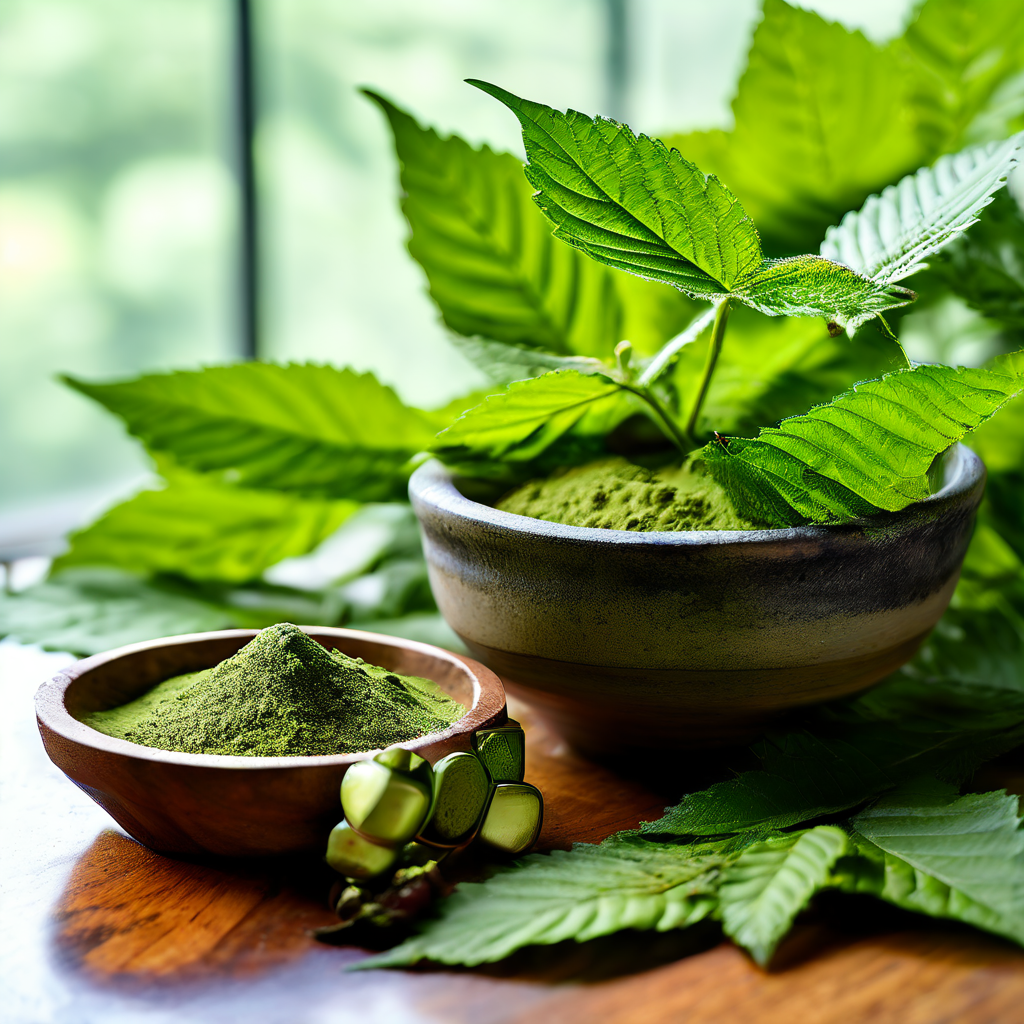
The new regulations aim to address the growing concerns over the unregulated sale of dietary supplements and to enhance public safety. Kratom, sourced from the leaves of the Mitragyna speciosa tree, has sparked both acclaim for its medicinal benefits and controversy due to potential health risks.

This law signifies Georgia’s effort to balance the therapeutic advantages of kratom with the necessity of consumer protection. For further information, read the full article here.

California Proposes Kratom Safety Act to Regulate Herbal Supplement

In response to growing safety concerns over kratom, Assemblymember Matt Haney from San Francisco has introduced Assembly Bill 2365, known as the Kratom Safety Act. This new legislation aims to tighten regulations on the sale of kratom in California, focusing on product purity and consumer safety. The bill proposes banning the sale of adulterated kratom products, requires rigorous testing, registration with the California Department of Public Health, and restricts sales to those over 21. As the popularity of this herbal supplement increases, California seeks to set a standard in regulating its use to prevent health risks associated with unregulated products. Read more about the initiative on CBS San Francisco.

West Virginia Steps Up Regulation on Kratom and Hemp Products

West Virginia has introduced new regulations governing the distribution and sale of kratom and hemp-derived cannabinoid products. As detailed in recent legislation, the state has designated the Commissioner of Agriculture and the WV Alcohol Beverage Control Administration Commissioner to oversee these substances. The bill, Senate Bill 679, promotes increased collaboration and information sharing among state authorities to ensure consumer safety. This move is part of a broader effort to standardize the safety measures for these products at the retail level, addressing potential risks and ensuring compliance with state laws. West Virginia’s proactive approach aims to safeguard public health while accommodating the growing popularity of these natural and therapeutic products.

Georgia Sets New Age Restrictions and Labeling Requirements for Kratom

Georgia Governor Brian Kemp has signed into law House Bill 181, which imposes new restrictions on the purchase of kratom. The new legislation, which you can read about in detail here, increases the legal purchasing age from 18 to 21 and introduces stringent labeling requirements. This law, effective from January 1, 2025, aims to enhance consumer safety and ensure transparency in the marketing and sale of kratom in Georgia. It outlines severe penalties for non-compliance, with processors facing possible felonies and fines up to $100,000. This move reflects growing concerns about the potential risks associated with kratom, which can act as a stimulant in small doses and produce opioid-like effects at higher doses.

California Aims to Regulate the Uncharted Waters of Kratom

In California, the unregulated sale of kratom, an herbal substance with both stimulant and sedative effects, has raised concerns among both advocates and critics. As reported in the Los Angeles Times, Assemblymember Matt Haney is spearheading efforts to impose regulations on kratom through Assembly Bill 2365. This proposed legislation would require kratom products to be registered, mandate labeling of alkaloid content, and set age restrictions for purchasing. With no current federal approval for kratom as a dietary supplement, the state’s initiative seeks to safeguard consumers by ensuring product consistency and preventing underage access. This move could set a precedent for other states grappling with the regulation of this widely used yet controversial plant.

California Moves Closer to Legalizing Psychedelic Service Centers

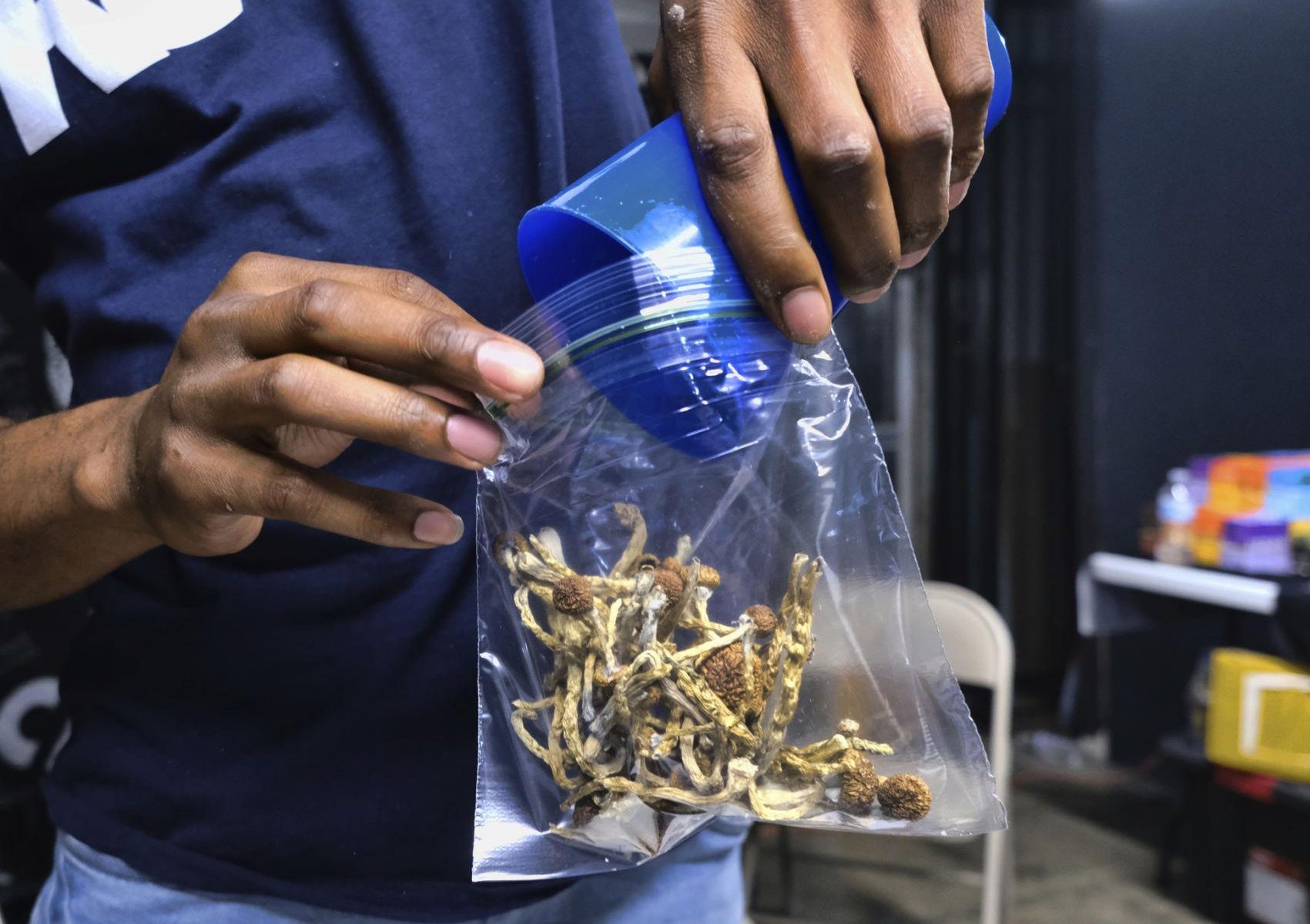
In a significant development, the California Senate’s Public Safety Committee has passed a bill that proposes the creation of state-authorized psychedelic service centers. This groundbreaking bill, if enacted, will allow adults aged 21 and over to access substances like psilocybin and MDMA within regulated settings. Proponents of the bill argue that these centers could offer therapeutic benefits, especially for mental health treatment. The bill’s progression marks an important milestone in the broader movement towards psychedelic decriminalization across the United States, following similar initiatives in states like Colorado and Oregon. The full details of the legislation and its implications are detailed further in Marijuana Moment’s report.

Missouri Moves Closer to Legalizing Psilocybin Therapy for Veterans

In a significant legislative advancement, a Missouri House panel has recently approved a bill that would legalize psilocybin therapy for military veterans. This decision marks a critical step towards the use of this psychedelic substance in medical treatment for veterans suffering from mental health disorders. The bill, now passing through its second House committee, aims to address the urgent need for effective mental health treatments, offering new hope to those who have served the nation. Proponents of the bill argue that psilocybin therapy has shown promising results in clinical trials, potentially transforming treatment approaches for conditions like PTSD and depression.

For more details, read the full article on Marijuana Moment.

Thailand Embraces Kratom: New Research Highlights Natural Benefits

In a significant shift, Thailand has recently legalized the Kratom plant (Mitragyna speciosa), opening doors to extensive research and application of this traditional remedy. According to a recent study conducted by Chulalongkorn University, as reported by Nation Thailand, kratom exhibits promising pain relief, anti-inflammatory, and detoxification benefits. This move is part of Thailand’s broader initiative to integrate natural and locally sourced solutions into healthcare. Researchers are now focusing on validating centuries-old local wisdom that harnessed kratom’s therapeutic properties, which could lead to more natural treatment options available to the public.

Maine Legislature Greenlights Psilocybin Study

The Maine House and Senate have recently passed a bill that sets the groundwork for studying psilocybin, the psychoactive substance in “magic mushrooms,” which is reputed to aid in treating PTSD, depression, anxiety, and other medical conditions. However, the implementation of the study hinges on securing the necessary funding.

Originally intended to enable regulated medical use of psilocybin, the legislation has been restructured to form a commission. This body is tasked with examining the therapeutic efficacy and safety of psilocybin, as well as paving the way for a potential psilocybin service program in Maine. Drawing inspiration from similar legislation in Colorado and Oregon, Maine’s approach focuses on developing a comprehensive strategy for eventual legalization and medical use. For more details on this progressive initiative, visit Spectrum Local News.

Maryland on the Verge of Kratom Consumer Protection Legislation

Maryland is poised to join the ranks as the 13th state to enact a Kratom consumer protection act, pending the signature of Governor Wes Moore. This significant move by the Maryland Legislature aims to safeguard consumers by regulating the kratom industry within the state, marking a pivotal moment in the ongoing discourse surrounding the botanical substance. Kratom, known for its pain-relieving and mood-enhancing effects, has been at the center of controversy due to concerns over its safety and potential for abuse. The legislation represents a balanced approach to addressing these concerns while ensuring that consumers have access to safe kratom products. For more details on this developing story, read the full article on Law360.

Advocating for a Balanced Approach: The Global Push for Kratom Regulation

The burgeoning popularity of Kratom in the United States, particularly in Florida, has led the Global Kratom Coalition, under the leadership of executive director Matthew Lowe, to advocate for the regulation of this mood-altering herb. Kratom, a plant native to Southeast Asia, has been lauded for its potential to ease anxiety, depression, and assist in opioid addiction recovery. However, its critics warn of its habit-forming nature and potential for addiction, with medical examiners linking it to hundreds of deaths over the past decade.

Despite these concerns, Kratom remains unregulated by the FDA, and while the DEA has marked it as a Drug and Chemical of Concern, no steps have been taken to schedule the herb or its active compounds officially. Lowe describes the current Kratom market in the U.S. as akin to the “wild, wild west,” a situation he believes needs urgent reform. The coalition, formed six months ago, aims to bridge the gap in public education and misinformation surrounding Kratom, advocating for government regulation to ensure product safety and accurate labeling.

Florida is among approximately ten states that have enacted laws regulating some aspects of Kratom, signifying a move toward Lowe’s vision of a safer and more informed marketplace for Kratom consumers.

For more insights into the coalition’s efforts and the full conversation with Matthew Lowe, visit WMNF.

Florida Legislators Move to Regulate Kratom Potency

In an unprecedented move, Florida lawmakers are pushing forward with legislation to regulate the potency of kratom, a popular but controversial herbal supplement. The bill, SB 842, seeks to introduce dosage recommendations and labeling requirements for kratom products sold throughout the state. Championed by Sen. Keith Perry, the legislation aims to address growing concerns over kratom’s safety and its unregulated market. This initiative follows the state’s decision last year to restrict kratom sales to individuals younger than 21. The full report on AOL.com highlights the bill’s proposals, including limits on specific alkaloid content in kratom products, reflecting a significant step toward statewide regulation. With kratom’s effects ranging from stimulant to sedative based on dosage, the move underscores Florida’s cautious approach amidst debates over the substance’s benefits and risks.

Connecticut Takes a Leap: Decriminalizing Psilocybin for a Brighter Future

In a landmark move, Connecticut lawmakers have given the green light to a bill that paves the way for the decriminalization of psilocybin, signaling a significant shift in the state’s approach to drug policy. Approved by a bicameral committee, this progressive legislation is poised to redefine the legal landscape surrounding psychedelic substances, emphasizing therapeutic and medicinal benefits over punitive measures. As detailed in a recent report by Marijuana Moment, the decision reflects a growing acknowledgment of the potential positive impacts of psilocybin, particularly in the realms of mental health treatment. This pivotal step underscores Connecticut’s commitment to embracing innovative solutions for complex issues, marking a hopeful milestone in the broader movement towards drug reform and harm reduction.

New York Considers Regulation of Kratom for Consumer Safety

In New York, kratom, a herbal substance praised for its pain and anxiety relief capabilities, currently lacks regulation, posing risks due to potential contamination. With an estimated 1.7 million American users, concerns around kratom’s safety have prompted state legislators to consider a bill advocating for stringent testing for contaminants. Tracey Hudson, a kratom seller in Schenectady, emphasizes the necessity of regulation to enhance consumer trust and ensure product purity.

Kratom, derived from a Southeast Asian tree, has historically been used as alternative medicine but faces scrutiny in the U.S. for its unregulated status. The proposed bill, backed by Assemblywoman Donna A. Lupardo, aims to protect consumers by mandating kratom product testing, inspired by local healthcare professionals’ concerns over contaminated supplies.

Despite federal warnings about potential health risks, including liver disease and addiction, users like Bud Smith advocate for kratom’s life-changing benefits in managing anxiety and withdrawal symptoms. The push for regulation, seen as a consumer protection measure, could make New York one of the states leading in kratom safety, aligning with the positive outcomes seen in regions with regulated kratom markets.

Read the full article on Times Union for more insights into the ongoing debate and legislative efforts surrounding kratom in New York.

Vermont Senate Panel Adjusts Psychedelic Legislation Focus

In a recent move by Vermont’s Senate panel, the ambitious bill for psilocybin legalization has been scaled back, signaling a pivot towards the establishment of a working group focused on psychedelic-assisted therapy. This significant adjustment aims to refine the state’s approach to psychedelic substances, emphasizing therapeutic benefits over broad legalization. The revised proposal, initially aiming for a wider acceptance of psilocybin, now seeks to lay the groundwork for a more controlled and beneficial integration of psychedelics into medical practices. By concentrating on creating a structured framework for psychedelic-assisted therapy, Vermont lawmakers are taking cautious steps towards understanding and utilizing the potential mental health benefits of psilocybin. This development marks a thoughtful approach to addressing complex issues surrounding psychedelic substances, prioritizing public health and safety. For more details, visit Marijuana Moment.

Newport Beach Takes a Stand: Kratom Sale and Distribution Banned

In an effort to regulate substances within its jurisdiction, Newport Beach City Council has passed an ordinance prohibiting the sale and distribution of kratom, a decision that reflects the city’s commitment to public health and safety. Kratom, a tropical evergreen tree related to the coffee family and native to Southeast Asia, has been used for over a century in some societies as herbal medicine. Despite its popularity in the U.S. for pain relief and self-treatment of various conditions, the substance faces scrutiny due to concerns over safety and the lack of FDA approval.

This move by Newport Beach, highlighted in a recent Los Angeles Times article, is part of a broader discussion on the substance’s legality and safety. With an estimated 1.7 million Americans over 12 using kratom, the debate continues on its risks and benefits. Newport Beach’s ordinance signals a cautious approach, prioritizing community health over the availability of unregulated substances.

Arizona Moves Closer to Legalizing Psilocybin Service Centers

An Arizona House panel has taken a significant step toward the legalization of psilocybin service centers, approving a Senate-passed bill that could transform the state into a leader in psychedelic-assisted therapy. The legislation, introduced by Sen. T. J. Shope (R), aims to allow medically supervised use of psilocybin, offering new hope for individuals dealing with conditions like PTSD. With an 8-2 vote, the House Health & Human Services Committee advances the bill, reflecting growing support for therapeutic psychedelics. This move not only marks a pivotal moment in Arizona’s legislative history but also contributes to the broader conversation around the potential benefits of psychedelics for mental health treatment. The bill outlines the framework for licensing therapy centers and establishes an Arizona Psilocybin Advisory Board to oversee the implementation and study of psilocybin-assisted therapy, ensuring safe and accessible treatment options for adults. For more details on this developing story, visit Marijuana Moment.

Illinois Moves Closer to Psilocybin Legalization with CURE Act

In a landmark effort to address mental health issues, Illinois is stepping closer to the legalization of psilocybin, a naturally occurring psychedelic compound. The push comes with the introduction of the CURE Act, championed by State Senator Rachel Ventura and supported by mental health advocates. This groundbreaking legislation seeks to harness psilocybin’s potential therapeutic benefits, offering new hope for individuals battling various mental health conditions. Advocates argue that legalizing psilocybin could revolutionize treatment options, providing an alternative to traditional therapies that have fallen short for many. As Illinois edges closer to embracing this novel treatment, the CURE Act represents a significant leap forward in mental health care innovation and patient welfare. For more details on this developing story, visit WREX’s full article.

Alaska Prepares for Psychedelic Therapy’s Future with New Task Force

In a proactive move, the Alaska House Military and Veterans Affairs Committee has pushed forward a bill establishing a task force dedicated to the study and regulation of psychedelic-assisted therapy. This initiative aims to position Alaska at the forefront of therapeutic innovation in anticipation of federal approval for substances like MDMA and psilocybin. The proposed HB 228 bill, though not altering the legal status of these drugs directly, sets the stage for a comprehensive exploration of how psychedelic therapy could be integrated into Alaskan healthcare, with a final report due by the end of 2024.

Both MDMA and psilocybin have garnered attention for their potential mental health benefits, receiving breakthrough therapy status from the FDA. As Alaska, along with other states, gears up for an era of psychedelics reform, this task force represents a measured approach to embracing the therapeutic possibilities of psychedelics, backed by rigorous study and regulation.