New Virginia law recognizes hemp extracts as food

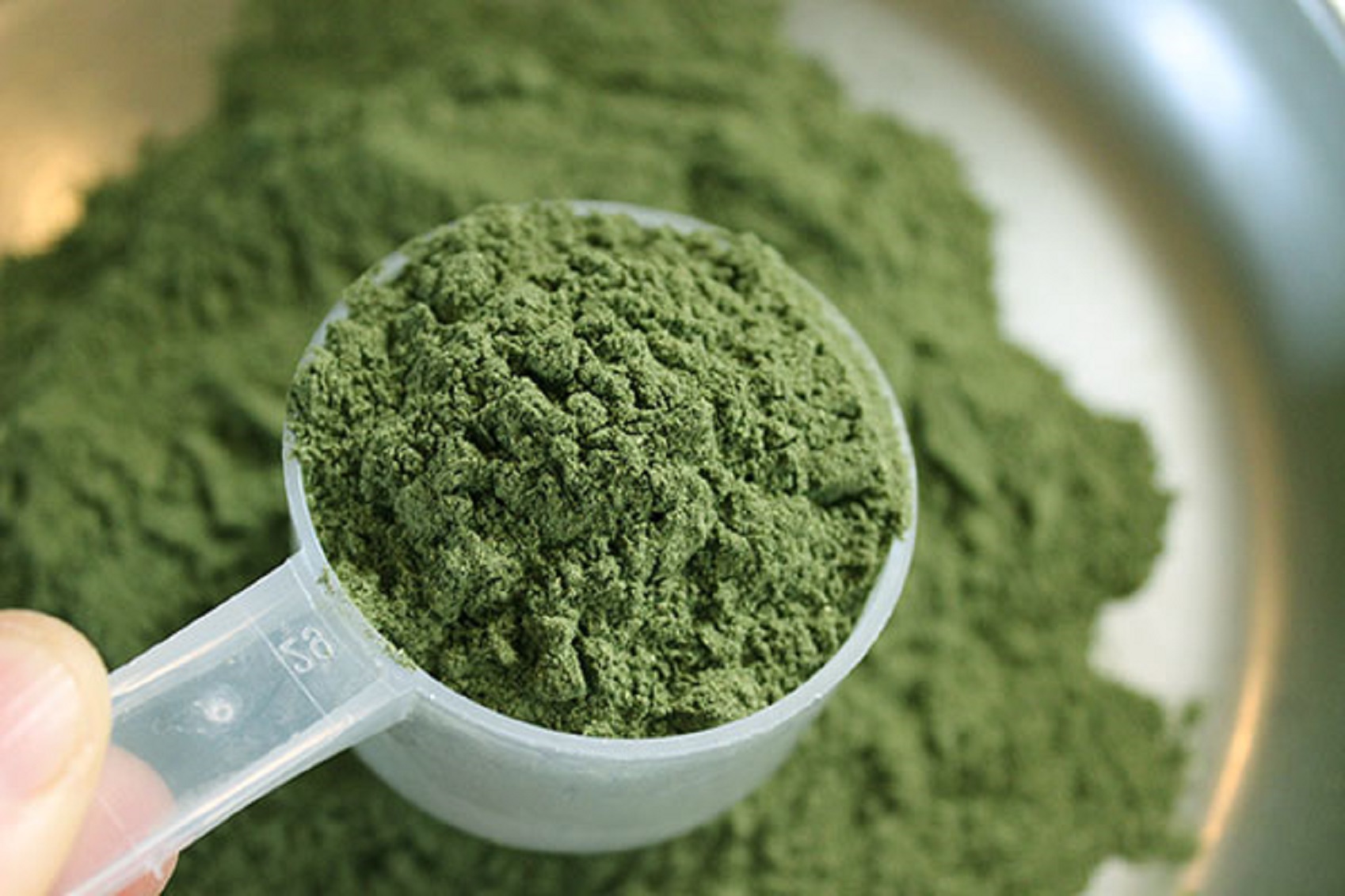
The State of Virginia has passed a law defining hemp extracts as an approved food. The law also allows a more liberal amount of THC in these products during the growth phase than does the federal description of industrial hemp.

The new definition is part of a law passed by the state to set up a fund to promote industrial hemp production within Virginia.

There are a number of states in which medical marijuana products have been approved, and a smaller number in which full recreational cannabis use is allowed. The market for hemp/CBD extracts is thriving in these locations, and CBD products marketed as dietary supplements, while technically illegal on the federal level, seem to be available throughout the country, either online or in brick and mortar outlets.

Read more here…

Advocates For Magic Mushroom Initiative Will Keep Trying To Get It On The Ballot, Using Snail Mail

A nascent effort to reduce penalties on the possession and use of magic mushrooms and other psychedelic plants in D.C. was dealt what seemed like a fatal blow by the coronavirus pandemic — but proponents say they plan on soldiering on, using the mail to collect tens of thousands of signatures to put the issue on the November ballot.

To get an issue on the ballot, proponents have to gather signatures from 5% of D.C.’s registered voters — roughly 25,000 signatures at this point — within a six-month period. But with normal signature-collection a virtual impossibility because of the city’s stay-at-home order and social distancing norms, leaders of the Decriminalize Nature D.C. say they instead plan on sending petitions directly to households and asking voters to sign them and send them back.

Read more here…

Why is Marijuana Legalization Not Covered in Mainstream Media?

One of the things I have said often in speeches and written about is that the best two-word explanation for marijuana prohibition is bad journalism. You’ll hear that again, and again.

There are so many examples of that. Don’t get me started.

I remember, for example, when I was at NORML, there was a really terrible article in The Washington Times which tends to specialize in articles about marijuana in particular. So I called up the reporter and said, “Could I send you some material that contradicts the party line?” She said, “Oh, I’d love to see it, but that, you know, there’s really no point in it. I was just given this assignment. I probably will be writing about it again.” But what I had to do was to call the drug czars office and get them to say something. And that was journalism dealing with marijuana. You know, it doesn’t matter whether it’s true or not. And this went on for decades.

Read more here…

Charlotte Figi, 13-year-old Coloradan who inspired CBD reform, dies after family suspects she contracted coronavirus

Charlotte Figi, the young Colorado Springs girl whose battle with Dravet syndrome inspired changes to medical marijuana laws across the country and helped popularize CBD, has died after suffering an illness her family suspects was the new coronavirus. She was 13.

“Charlotte is no longer suffering,” a family representative wrote on Facebook on Tuesday night. “She is seizure-free forever.”

In a statement provided to The Denver Post, Charlotte’s mother, Paige Figi, said the whole family got sick in early March, but because their symptoms did not all fit within the criteria for COVID-19, they were told to self-treat at home. Charlotte was admitted to the pediatric intensive care unit at a Colorado Springs hospital on Friday after her symptoms worsened and was treated on the floor specifically designated for COVID-19 patients.

Read more at The Denver Post

A State-by-State Breakdown of CBD Laws

When it comes to the legal status of products containing cannabidiol (CBD), much attention has been paid to what’s happening at the federal level. The 2018 Farm Bill legalized the substance with the caveat that the U.S. Food and Drug Administration (FDA) has oversight. The FDA has stated that CBD is not permitted in food, beverages and ingestible products until the agency creates a regulatory pathway for companies to do so—with no timetable of when that might happen.

Even if the FDA OKed ingestible CBD products tomorrow, however, it wouldn’t mean those products would be legal in every state. Each state regulates hemp and CBD differently, creating a patchwork of regulations that’s being tracked by the cannabis site Leafly.

Continue reading here…

North Dakota Activists Say Marijuana Legalization Initiative Unlikely In 2020 Due To Coronavirus

North Dakota activists announced on Thursday that they are suspending their campaign put marijuana legalization on the November ballot due to the coronavirus outbreak.

In a Facebook post, Legalize ND said “we are going to have to face a few hard realities going forward” as businesses are shuttering, public events are being cancelled and individuals are encouraged to shelter in place. The pandemic means in-person signature gathering can’t take place, and the state does not allow for alternative signing options such as by mail or online.

“Due to the virus all of our major avenues for signature collection have been cancelled or indefinitely postponed, and going door to door is not safe for both those knocking and those getting knocked,” the group said.

Read more here

Mississippi Steps Back From Regulating or Outlawing Kratom

JACKSON, Miss. (AP) — Mississippi legislators have killed bills that would either ban or regulate kratom, an herbal drug that can be used for pain relief.

Kratom is currently unregulated in most parts of the United States, but has been outlawed by a few local governments in Mississippi amid concerns that it can be harmful.

Kratom is derived from a tree that’s native to Southeast Asia. The U.S. Drug Enforcement Agency says the leaves can be crushed and then smoked, put into capsules or taken with water or other liquids.

The DEA characterizes kratom as one of its “drugs of concern.” The agency says people have used it to relieve muscle strains and as a substitute for opium; the drug has also been used to manage withdrawal symptoms from opioids.

Click here to read the full story

FDA Finally Sends Overdue CBD Enforcement Update To Congress

The Food and Drug Administration (FDA) issued an update to Congress this week on the status of rulemaking for CBD.

While the process remains ongoing, the agency announced that it is actively exploring pathways to allow for the marketing of cannabidiol as a dietary supplement and is developing enforcement discretion guidance. It will also be reopening a public docket to solicit additional scientific information about the risk and benefits of the cannabis compound.

After hemp and its derivatives were federally legalized under the 2018 Farm Bill, FDA was mandated under separate appropriations legislation passed late last year to provide an update on its regulatory approach to CBD within 60 days. That deadline passed last month, but the report and a supplementary notice were made public on Thursday.

Read more at Marijuana Moment

Hawaii Lawmakers Introduce Plan To Study Psychedelic Mushrooms With Goal Of Legalizing Access

A pair of Hawaii lawmakers is pushing to explore the therapeutic potential of psychedelic mushrooms, introducing legislation that could one day make psilocybin-based products available to medical patients in the state.

The package of resolutions, introduced last week by Sen. Les Ihara Jr. and Rep. Chris Lee, both Democrats, asks the state Department of Health to convene a “medicinal psilocybin working group” that would examine available evidence around the use of psychedelic mushrooms and eventually “develop a long-term strategic plan to ensure the availability of medicinal psilocybin or psilocybin-based products that are safe, accessible, and affordable for eligible adult patients.”

The proposal comes as a number of other jurisdictions around the U.S. explore relaxing laws around psychedelics, such as by expanding opportunities for therapeutic use or decriminalizing simple possession. In Hawaii, possession of psilocybin mushrooms is currently illegal under both state and federal law.

Read more here

COVID-19 Will Now Derail New York Marijuana Legalization

New York lawmakers will prioritize response to the novel coronavirus pandemic and likely delay marijuana legalization.

New York Gov. Andrew Cuomo intended to legalize adult-use marijuana through the state budget this session, but the novel coronavirus outbreak may force the issue on the back burner. The state budget is due in two weeks and key lawmakers now believe issues around legalization, including how the state will spend tax revenue created by marijuana sales, will not be negotiated in time.

State Sen. Liz Krueger sponsored a recently revised legalization bill, but the state’s reaction to the ongoing pandemic takes precedence.

“I don’t believe marijuana is going to be negotiated in this budget in the next few days,” Krueger told WMHT. “I just don’t see it as realistic.”

Read more at The Fresh Toast

Expert answers: can cannabis and CBD affect coronavirus?

“In this article, integrative medicine expert, Dr. Dani Gordon, answers peoples’ question of whether cannabis and CBD can affect contracting or recovering from COVID-19, or coronavirus.

People are asking if cannabis and CBD can help buffer the immune system against getting COVID-19 in the first place, and if you do get it, can CBD and cannabis help treat it? What about the possibility that NSAID anti-inflammatory drugs may have a negative effect on the virus once you are infected and wait a —minute – CBD is an anti-inflammatory too, so what does that mean for CBD?

CBD, cannabis, and coronavirus
As for CBD and cannabis, we don’t have any studies showing it has any effect on the coronavirus, although there are some interesting studies on medical cannabis and smoked cannabis use and HIV progression.

As both a cannabis specialist and doctor trained in natural medicine and western medicine, it is important to let people know the facts and be totally honest about what we don’t know. It’s also critical not to make false claims when we are all understandably a bit scared, and of course, want to do everything we can to protect ourselves and our loved ones.

This effect can distance our more ‘conventional’ medicine and research colleagues who are not well versed in botanical medicine, and hurt the progress plant medicine has made in recent years in gaining support and credibility through academic research and inquiry, partnering with the research and those physicians open-minded enough to consider them.

Read the full article at Medical Cannabis Network

Magic Mushroom Effects: Single Take Improves Long-Term Mindfulness

A recent study provides new evidence that magic mushrooms have health benefits. Researchers found that a single take on the drug could help improve mindfulness and openness even for months.

The new study, published in the journal European Neuropsychopharmacology, shows that people become more curious and open to new experiences after just one psychedelic experience. Researchers said such positive effect of magic mushrooms could last for months after the first intake, IFL Science reported.

Health Benefits Of Magic Mushrooms

The researchers gathered 10 healthy individuals to test the effects of magic mushrooms. All participants never used psychedelic drugs prior to the study.

The participants reported that they continued to experience the same positive effects of magic mushrooms three months after the test. Researchers then collected PET brain scans to see how the drug caused changes in the brain.

They found changes in the serotonin receptor 5-HT2AR in the brain, which potentially contributed to the long-term feel-good effects of the drug. The receptor appeared binding even one week after exposure to psilocybin.

Read the full article at Medical Daily

Four Effective Ways to Take CBD Oil

WHAT IS THE BEST WAY TO USE CANNABIS?


Cannabis and its extracts, like CBD oil, can be consumed in an astounding number of ways. Most options fall into a few general categories, and each has its own advantages and disadvantages. You’ll experience different effects if you smoke CBD-rich flower or vape a THC-rich cartridge; swallow a gelcap or drop CBD oil under your tongue.

The key differences between ways of using cannabis pertain to these questions:

1. Onset: How quickly will cannabinoids begin to work?
2. Dose: What’s a reasonable starting dose?
3. Distribution: Which parts of the body will be most affected?
4. Duration: How long will the effects last?

INHALATION: SMOKING AND VAPING 

• Onset: Seconds to minutes.
• Dose: As little as a puff may be necessary. A typical joint is 0.3 – 1.0 grams of cannabis.
• Distribution: Affects the lungs immediately, then the heart and brain, then is distributed fairly evenly throughout the body.[1]
• Duration: Most effects, including psychoactivity, subside after 2-3 hours.

When drugs are inhaled through the lungs, they are sent to the brain before getting metabolized by the liver. This makes inhalation the fastest method for administering cannabis. Usually, between 20-30% of the phytocannabinoids like THC and CBD are absorbed this way. The heat from either smoking or vaporizing cannabis converts the acid cannabinoids into their neutral forms.

SMOKING VS. VAPING, BUD VS. OIL 

One inhales cannabinoids by smoking or vaporizing flowers. Cannabis oil extracts can also be vaporized or dabbed. The main issue with smoking is that smoke is harmful to the lungs. Although smoking cannabis is not associated with lung cancer or COPD, there are health issues associated with breathing any kind of smoke (e.g. chronic cough, congestion, asthma). The cannabinoid tetrahydrocannabivarin (THCV) appears not to vaporize well, so smoking or non-inhaled administration methods may be necessary to get benefits from THCV.

EDIBLES / CAPSULES

• Onset: 1-2 hours.
• Dose: The threshold for mild psychoactive effects is 3 mg THC in most new users. Doses of CBD-rich products range from 5 mg to hundreds of milligrams. [2]
• Distribution: Absorbed through the gut and modified in the liver, then spreads fairly evenly throughout the body.
• Duration: Psychoactive effects subside after about 6 hours in most people. Other effects may last up to 12 hours.

Ingested cannabinoids are absorbed through the intestines and sent to the liver. It takes about an hour to feel effects when taken on an empty stomach, or up to three hours with food. People should not re-dose THC edibles for at least three hours after ingestion.


Read more at article PROJECT CBD

Not All Cannabis Is the Same: Pharmaceutical CBD More Effective for Reducing Epileptic Seizures

Study finds artisanal CBD not as effective as pharmaceutical CBD for reducing seizures.
Children and teens with epilepsy who were treated with pharmaceutical cannabidiol (CBD) had much better seizure control than those who were treated with artisanal CBD, according to a preliminary study to be presented at the American Academy of Neurology’s 72nd Annual Meeting in Toronto, Canada, April 25 to May 1, 2020.

“The use of medical cannabis to treat various medical conditions has grown in recent years. While not always legal, artisanal CBD has been available longer, so some people have been using it to treat epilepsy for years,” said study author Nathan T. Cohen, M.D., of Children’s National Hospital in Washington D.C., and a member of the American Academy of Neurology. “They may want to reconsider because our research indicates that pharmaceutical CBD may indeed be more effective than artisanal CBD.”

However, 11 participants reported side effects. All were taking pharmaceutical CBD. Side effects included sleepiness, low appetite, nausea and diarrhea. Six of those participants stopped taking pharmaceutical CBD due to side effects.

Another limitation of the study was that it was a look back at medical records. It did not involve participants who were given either pharmaceutical or artisanal CBD and then followed over time.

Read the full article at SciTechDaily

Why Massachusetts Should Legalize Magic Mushrooms

“It wasn’t all that long ago that legal pot in the good ol’ “Just Say No” USA seemed like a fantasy. While it seemed rather absurd that you could go to jail for a drug that arguably caused minimal social harm, common sense didn’t seem to make a dent in our drug policies. And then, slowly, things changed.

I know what you’re thinking, but the idea is actually not as crazy as it sounds. In the past year alone, Denver, Oakland, and Santa Cruz have each voted to decriminalize natural psychedelics, including mushrooms. Washington D.C. this week took a major step toward a ballot question that would do the same.

The fact is, we’re at a cultural and scientific inflection point, rapidly and radically reconsidering what we thought we knew about drugs such as psilocybin (the chemical that makes magic mushrooms magic), LSD, and even MDMA and Ketamine.

The fact is, we’re at a cultural and scientific inflection point, rapidly and radically reconsidering what we thought we knew about drugs such as psilocybin (the chemical that makes magic mushrooms magic), LSD, and even MDMA and Ketamine. While mainstream society over the past half-century has often dismissed them as the stuff of burnt-out hippies and party kids or condemned them as downright dangerous, both the medical establishment and Silicon Valley have begun to loudly advocate for their untapped and possibly revolutionary therapeutic potential.

Researchers at Harvard are already dipping their toes in the water, studying potential psychedelic treatments, specifically MDMA. These studies are already operating with approval from and under the watchful eye of the feds, but legalization would allow experts to do things like, say, put their findings to use in therapeutic settings.

Read more at Boston

Single dose of magic mushrooms can reduce anxiety, depression in cancer patients, study finds

“Scientists ain’t trippin’.

It’s already known that small amounts of magic mushrooms can benefit the mind. However, groundbreaking research shows that only a single dose of the psychedelic fungi can reduce cancer-related mental health issues in the long term, according to a study published in the Journal of Psychopharmacology on Jan. 28.

The landmark research was a followup of a 2016 John Hopkins trial — using 51 subjects — studying whether magic mushrooms could relieve death anxiety and depression in cancer patients. The participants at that time were administered either high or low doses of synthetic psilocybin, the psychoactive ingredient in mushrooms. Researchers then gave their subjects the opposite doses five weeks later, per the findings published in the Journal of Psychopharmacology.

However, he had vastly underestimated how long the benefits of a single psilocybin dose could last. When scientists conducted a follow-up about four years later with 15 members of the original 2016 trials, they found that up to 80% experienced “positive life changes” from the treatment.

“The drug seems to facilitate a deep, meaningful experience that stays with a person and can fundamentally change his or her mindset and outlook,” said Gabby Agin-Liebes, lead author of the long-term follow-up study and co-author of the 2016 study.

Nonetheless, the landmark results could help pave the way for more clinical trials involving psilocybin, and perhaps even help accelerate mushroom legalization. Last year, Oakland, California, and Denver, Colorado, became the first US cities to decriminalize the trippy truffles.

NEW YORK POST

Here’s how much ‘magic mushroom retreats’ like Goop Lab’s actually cost

“In a new series for Netflix, staffers for Gwyneth Paltrow’s lifestyle brand Goop dove head-first into the increasingly popular practice of “wellness travel.” But this isn’t just your typical day at the spa. Instead, staffers flew eight hours to test out the healing properties of psychedelic mushrooms.

For the first episode of the all-new series “The Goop Lab,” premiering on Netflix on Jan. 24, four Goopers, as the staffers are called, traveled to Jamaica, where the use of psychedelic mushrooms is legal. In the U.S. the possession and cultivation of magic mushrooms are illegal because they contain the chemical compound psilocybin, which is listed in Schedule I of the federal Controlled Substances Act.

The mission, according to Loehnen, was to “explore psychedelics in a therapeutic setting.” The staffers nominated themselves, and all were seeking slightly different outcomes, ranging from self-exploratory to improving mental health. One staffer simply wanted to feel more creative, two Goopers wanted to work on processing some personal trauma and Loehnen, who also went on the retreat, wanted to have a “psycho-spiritual experience.”

Viewers watch several staffers break down in tears at different points after drinking the mushroom tea, talking out loud to the on-site therapists. Meanwhile, Loehnen experiences uncontrollable giggling, saying “I feel like such a cliche.” Yet in the end, several of the staffers note how healing they felt the experience was.

The practice of taking magic mushrooms remains controversial. It’s worth noting, for example, that a 2016 survey fielded by Johns Hopkins researchers and published in the Journal of Psychopharmacology found that of the people who had bad experiences after taking psilocybin mushrooms, 10% felt their “bad trip” put themselves or others in danger. Yet many who experienced the negative side effects of ’shrooms — which can include hallucinations, dizziness, drowsiness, vomiting, and paranoia — still said the experience was “meaningful” and “worthwhile.”

Read the full article at CNBC

Here’s how much ‘magic mushroom retreats’ like Goop Lab’s actually cost

In a new series for Netflix, staffers for Gwyneth Paltrow’s lifestyle brand Goop dove head-first into the increasingly popular practice of “wellness travel.” But this isn’t just your typical day at the spa. Instead, staffers flew eight hours to test out the healing properties of psychedelic mushrooms.

For the first episode of the all-new series “The Goop Lab,” premiering on Netflix on Jan. 24, four Goopers, as the staffers are called, traveled to Jamaica, where the use of psychedelic mushrooms is legal. In the U.S. the possession and cultivation of magic mushrooms are illegal because they contain the chemical compound psilocybin, which is listed in Schedule I of the federal Controlled Substances Act.

The mission, according to Loehnen, was to “explore psychedelics in a therapeutic setting.” The staffers nominated themselves, and all were seeking slightly different outcomes, ranging from self-exploratory to improving mental health. One staffer simply wanted to feel more creative, two Goopers wanted to work on processing some personal trauma and Loehnen, who also went on the retreat, wanted to have a “psycho-spiritual experience.”

Viewers watch several staffers break down in tears at different points after drinking the mushroom tea, talking out loud to the on-site therapists. Meanwhile, Loehnen experiences uncontrollable giggling, saying “I feel like such a cliche.” Yet in the end, several of the staffers note how healing they felt the experience was.

The practice of taking magic mushrooms remains controversial. It’s worth noting, for example, that a 2016 survey fielded by Johns Hopkins researchers and published in the Journal of Psychopharmacology found that of the people who had bad experiences after taking psilocybin mushrooms, 10% felt their “bad trip” put themselves or others in danger. Yet many who experienced the negative side effects of ’shrooms — which can include hallucinations, dizziness, drowsiness, vomiting, and paranoia — still said the experience was “meaningful” and “worthwhile.”

Read More at CNBC

Shroom-Therapy Startup Edges Toward FDA Approval

“Just a few years ago, if you wanted to hear about the benefits of psychedelic drugs, your best bet was to head over to the parking lot outside the local jam band concert and flag down the guy in the tie-dye selling “magic mushrooms.” Today there are better options. You could, for instance, fly down to the Waldorf Astoria’s gated beachside resort in Boca Raton, Fla., and—between spa appointments and rounds of golf—take in the keynote address at the CNS Summit, an annual Big Pharma conference.

This plan might sound like swirling colors to anyone who lived through President Richard Nixon’s crusade against Harvard professor Timothy Leary, the high priest of acid trips. In the decades since Nixon branded Leary and hallucinogens, public enemies, as part of his “war on drugs,” all but a few psychiatrists have avoided publicly testing psychedelics’ medical benefits for fear of excommunication from their field. Now, though, attitudes are changing fast.

The advisers’ bona fides are at least as important as the eight-figure funding. For the FDA to say yes to shroom therapy, “you’re going to have to be more rigorous, and more risk-averse, and more Catholic than the pope,” says Insel, who’s also an investor. “You’re going to have to do this in a way that is very carefully scientific, with the best scientists, the best clinical trials, the most conservative and rigorous design, and the most careful data analysis.”

If psilocybin proves effective against treatment-resistant depression, patients may be content to leave some whys unanswered. Today’s go-to treatments, psycho­therapy, and selective serotonin reuptake inhibitors work for only about 70% of patients, leaving as many as 90 million still struggling around the globe, according to the World Health Organization.

Read the full article at Bloomberg Businessweek

Marijuana Legalization Measure Officially Qualifies For South Dakota 2020 Ballotv

“The proposed constitutional amendment, which was submitted by a former federal prosecutor in September, would allow adults 21 and older to possess and distribute up to one ounce of marijuana. Individuals would also be allowed to cultivate up to three cannabis plants.

Under the broader recreational legalization proposal, the South Dakota Department of Revenue would be responsible for issuing licenses for manufacturers, testing facilities and retailers. And sales on cannabis products would be taxed at 15 percent, with revenue earmarked to cover the program’s implementation, public education, and the state general fund.

“As outlined in South Dakota Codified Law § 2-1-16, our office conducted a random sample of the petition signatures and found 68.74 percent to be valid,” Secretary of State Steven Barnett (R) said in a press release. Based on the results of the random sample, 36,707 signatures were deemed valid, his office projected.

“At this point, it appears increasingly unlikely that Congress will pass legislation this year to fix our nation’s broken federal marijuana laws,” Schweich, who played a central role in overseeing the signature-gathering drives for both South Dakota initiatives, said. “Therefore it is crucial that our movement win as many ballot initiative campaigns as possible this November and increase the pressure on Congress to take action. That is how we will ensure success at the federal level in 2021.”

Read the complete article at MARIJUANA MOMENT.