These States Are Likely To Legalize Marijuana In 2018

After four of five statewide marijuana legalization ballot initiatives were approved by voters in 2016, no additional states ended cannabis prohibition in 2017 (though New Hampshire did decriminalize possession of the drug and West Virginia allowed its medical use).

If marijuana policy advocates’ plans come to fruition in the new year, 2018 will bring about the first legalization laws passed by lawmakers; to date, all eight states to end cannabis prohibition did it through voter initiatives.

Here’s a look at the states that are most likely to enact marijuana reforms in 2018:

• Vermont
• New Jersey
• Michigan
• Oklahoma
• Utah
• Missouri
• Virginia

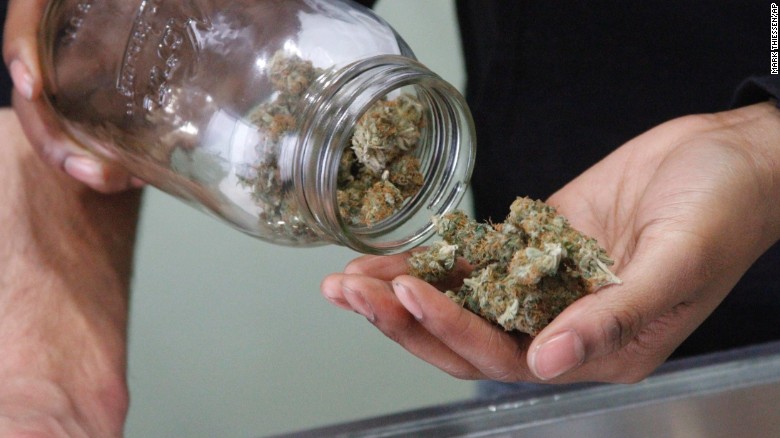
While Vermont and New Jersey are seen as most likely to pass marijuana legalization bills through their legislatures in 2018, advocates are also working to build momentum for bills to end prohibition in a number of other states next year. Among those are Connecticut, Delaware, Illinois and Rhode Island, any or all of which could potentially send legalization legislation to their governor’s desks in the coming months.

Forbes

Province of Ontario Demands To Halt Weed Store Placement

During a special meeting of council on Dec. 15 ahead of the presentation of the city’s 2018 operating budget, the mayor delivered a motion that requests the province back off on naming certain cities as potential homes for these LCBO-like, weed selling stores before the municipalities themselves have had the opportunity to consult with their residents and figure out proper zoning for these stores.

As the province has previously shared, the sale of the drug will be done through a storage system similar to and managed by, the LCBO. As of now, the province’s booze distributor is in the process of meeting with municipalities that have been identified to be future homes for these cannabis stores.

According to Mayor Henry, he met with officials from the LCBO, Municipal Affairs, and the Attorney General’s Office ahead of the regional council meeting on Dec. 13 to discuss the potential location, along with other questions the city has raised pertaining to the issue of legalization.

The Oshawa mayor has also previously raised concerns about the impacts on people’s health and wellbeing who live in apartments with shared ventilation systems, or how people smoking weed in their backyards will impact those around them who may choose not to smoke.

“There are far too many unanswered questions,” said Councillor Nester Pidwerbecki. “We need a lot of these questions that are asked in this motion to be answered before we can move forward.”

Read the full article at The Oshawa Express

7 Mind-bending Facts About Magic Mushrooms

Fungi have flourished on Earth for quite a while, possibly more than 2 billion years. They’ve evolved some impressive tricks during that time, including many that are either fascinating or frightening to humans — and sometimes a bit of both.

And then there are magic mushrooms, also known as “shrooms.” These fungi are famed for their psychedelic effects on people who ingest them, an ancient practice dating back to prehistoric “mushroom cults” and shamans who may have inspired Santa Claus. Yet even after centuries of experience, we are only now demystifying many of the magical — and medicinal — powers these mushrooms possess.

Psychedelic fungi fall into two general categories, each characterized by a distinct mix of mind-altering ingredients that make their mushrooms “magic.”

The largest, most common group produces hallucinogens called psilocybin and psilocin and features more than 180 species from every continent except Antarctica. These diverse fungi hail from roughly a dozen genera, but are often lumped together as “psilocybin mushrooms.” Most belong to the genus Psilocybe, including well-known species like P. cubensis (“gold top”) and P. semilanceata (“liberty cap”).

Read more at Mother Nature Network

With New Cannabis Cafes, You Can Smoke ‘Em Where You Bought ‘Em

Sometime soon in Massachusetts, you’ll be able to walk into a cafe, ask for a marijuana product, and consume it right there without heading home first.

The state agency responsible for regulating legalized marijuana approved a policy on Monday that will allow for such establishments, so-called “cannabis cafes,” to open — where one can buy a cannabis product and then legally consume it on the premises, just like buying a drink at a bar.

Like bartenders in restaurants in bars, marijuana servers must be trained properly. Such training will focus on helping them identify customers who are too intoxicated to be served more. The commission also agreed that businesses licensed to serve cannabis, should not be allowed to serve alcohol.

Cannabis proponents like Michael Latulippe are pleased with the prospect of on-premises cannabis businesses. Latulippe is a registered medical marijuana user and a member of the state’s Cannabis Advisory Board.

Public safety officials still have concerns. Walpole Police Chief John Carmichael is another member of the commission. He says its important regulations are put in place to prevent people from driving while under the influence of marijuana.

Read more at New England Public Radio

Peter Thiel Is Betting On Magic Mushrooms To Treat Depression

When Clark Martin tripped on magic mushrooms for the first time, he felt as though he’d been knocked off a boat and left for dead.

“It was like falling off the boat in the open ocean, looking back, and the boat is gone. Then the water disappears. Then you disappear,” he told Business Insider in January.

But Martin wasn’t alone. Two researchers from New York University were by his side to guide him through his trip. It was an experience that Martin had signed up for as part of one of the first large-scale clinical trials of magic mushrooms for depression and anxiety.

The results of that study were so promising that they jump-started a sort of renaissance in psychedelic research that’s now being led by a handful of non-profit research organizations and startups.

“The whole ‘you’ thing just kinda drops out into a more timeless, more formless presence,” Martin said.

Martin was one of several people who had been diagnosed with cancer and developed what’s known as end-of-life anxiety and depression. Deep feelings of hopelessness had driven him to near-complete isolation, ruining his relationships with his family and friends and creating a vicious cycle where he constantly felt lonely, trapped, and afraid.

Read the full article at Business Insider

Canandaigua Community Leaders Talk About Opioid Crisis

CANANDAIGUA — People have been asking Canandaigua Mayor Ellen Polimeni about the opioid crisis, how serious of a problem it is and what parts of the community are primarily affected.

Narcan is a brand name for naloxone, a medication that almost instantly reverses the effects of an opioid overdose, virtually saving people from the brink of death.

Lynn Seaward, director of community-based services at Finger Lakes Area Counseling & Recovery Agency (FLACRA), talked about various local programs available to help drug and alcohol addicts, including peer services where those recovering can relate to and help abusers find the best services for their individual situations.

FLACRA also recently acquired a mobile crisis van that allows staff and peer counselors to go directly to people in crisis or overdosing. Staff also work with law enforcement and emergency personnel in rescuing people and educating families on the problems that lead to addiction and where to find help.

Read the full article at Daily Messenger

Are Magic Mushrooms Next On The List Of Legalized Drugs?

Citing the benefits of widespread marijuana reform throughout the United States, a handful of activists are now mounting a campaign to push for the legalization of psychedelic mushrooms.

As reported by The Guardian:

Kevin Saunders, a mayoral candidate for the city of Marina, just south of the San Francisco Bay, has filed a proposal that would exempt adults over the age of 21 from any penalties over possessing, growing, selling or transporting psychedelic psilocybin mushrooms.

If he can get 365,880 voter signatures by the end of April 2018, the California Psilocybin Legalization Initiative will be placed on the statewide ballot.

A profound magic mushroom experience helped Saunders get over a “debilitating five-year heroin addiction” in 2003 when he was 32. “I got to the root of why I made a conscious decision to become a heroin addict; I’ve been clean almost 15 years.”

The study has since been verified by sufferers all over the country who tell their stories on Web forums. The Atlantic reports that one contributor wrote that he has been taking a preventative dose every 60 days for more than four years now, and he’s spent “the vast majority of the last four years completely pain-free.”

Read more at PersonalLiberty

Are Magic mMushrooms Next On The List of Legalized Drugs?

OREGON — Oregon could become home to the legal, recreational use of magic mushrooms. A campaign to legalize Psilocybin, informally known as magic mushrooms, is making its way to voters.

Psilocybin, after all, is an off-patent, organic agent which creates change through the psychedelic experience it provides, such that a single experience often changes a person’s disposition moving forward,” the group wrote in an open letter to voters. “And the psilocybin model, which includes preparation, psychedelic facilitation, and integration afterward, doesn’t just match the effectiveness of a typical ‘meds and therapy’ regimen. Where typical interventions fail, psilocybin therapy, with impressive frequency, breaks through.

Psilocybin is a naturally occurring hallucinogen found in certain species of mushrooms. There are an estimated 180 species of mushrooms that contain psilocybin. Users typically experience hallucinations when they eat the mushrooms.

Continue Reading at Patch

New Cannabis Rules Go Into Effect January 1

Several new rules and regulations for legal cannabis in Colorado have been finalized and will go into effect January 1, 2018, according to the Marijuana Enforcement Division. The MED had been holding stakeholder meetings and accepting public feedback on many of the proposed rules since September; they include updates to packaging regulations, a new state program for medical cannabis research and more.

Many of the new rules are a result of 2017’s legislative session, with amendments to existing laws and new bills forcing updates that affect both the industry workforce and consumers. HB 1034, HB 1261, SB 187 and SB 192 will change employee training methods, business location transfers, product contaminate testing, concentrate wholesalers and packaging and labeling.

Most of the rules were made to increase youth, consumer, and employee safety, the MED says, such as new packaging and labeling requirements that are designed to decrease interaction with minors.

The MED will continue to issue industry bulletins and tips for stakeholders on how to comply with the new rules as they go into effect.

Read the full article at West Word

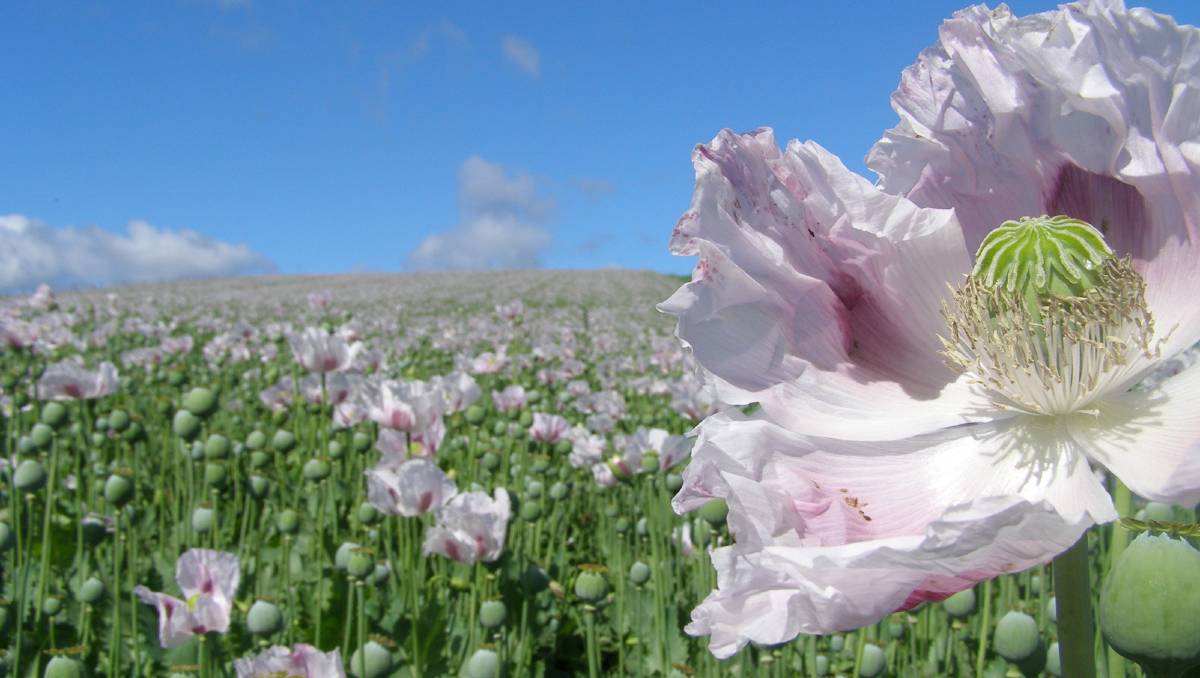
Illegal Opium Trade Thrives Across Arunachal Pradesh

Guwahati: The flourishing illegal opium cultivation in eastern Arunachal Pradesh has become a major area of concern for security agencies, with the state government miserably failing to tackle this menace. The drug mafia, with some help from Naga rebels, continues to call the shots in the frontier state, where people are reluctant to give up the practice of poppy farming in absence of any alternative for their economic survival.

It is significant than that Arunachal Pradesh tops the list of states with illegal poppy cultivation.

The Narcotics Control Bureau (NCB) in its last report of 2015 claims to have destroyed poppy fields spread over 399 acres in eastern Arunachal Pradesh.

But as per NGOs, the state still has around 10,000 hectares of opium fields and the annual yield of opium is around 100 tonnes, an average of 10 kg a hectare.

For NCB, opium cultivation in eastern Arunachal Pradesh has become an eyesore. Despite the regular destruction of poppy fields by the authorities, a large section of people is still not ready to give up the practice. This is a huge challenge in the fight against drug smuggling.

According to the bureau officials, apart from Lohit and Anjaw districts, which share borders with Myanmar and China, there are reports of poppy cultivation from Changlang, Longding, Upper Siang and Tirap districts too.

Read more at The Asian Age

Use of CBD Oil Has Doubled in the UK in One Year

A trade organization in the United Kingdom that oversees the rapidly expanding cannabidiol (CBD) and hemp market, has published a study that shows the use of CBD oil in the U.K. has doubled in a single year.

The Cannabis Trades Association U.K.’s (CTAUK) figures reveal 250,000 people are now using CBD oil to treat their health conditions. CTAUK added that the number of users is up from 125,000 last year, with approximately 1,000 new users each month.

In October 2016, the U.K. government recognized the medicinal value of CBD, stating the cannabinoid has “restoring, correcting, or modifying” properties. This admission has allowed suppliers to sell CBD by obtaining a medicinal license, which is a lengthy and strict process. Many retailers have been able to circumvent the process by selling CBD products as food supplements.

Most recently, the public debate around medical cannabis in the U.K. has seen a lot of attention, with a bill to legalize going through its first parliamentary reading Oct. 10 unopposed. That same day, a protest incited by a member of parliament and cannabis activist Paul Flynn took place in front of the Parliament building in London.

More of this news at Marijuana.com

Marijuana Activists: Oregon Can Lead Nation in Cannabis Industry

ASHLAND, Ore. — Marijuana businesses gathered Sunday at the Oregon Marijuana Business Conference to share new ideas and knowledge about the fast-growing industry and network.

Cannabis industry leaders and activists believe Oregon has the potential to show the rest of the United States what marijuana can do for the economy. Some even say the cannabis industry can become Oregon’s new timber industry if the state is able to break down marijuana’s stigma.

Although recreational marijuana is legal in Arizona, Arizona native Wes Parks moved to Oregon to start his pot farm.

Leaders at the Oregon Marijuana Business Conference Agree and say Oregon is on the brink of leading the nation in the cannabis industry. Rogers said it’s rapidly growing throughout the US. In the last five years, nine states have legalized recreational marijuana.

“We were legalized before a lot of other states are so this gives us not only advantage to tourism or whatever but this also gives us a competitive advantage in the industry all around as other states begin to follow suit,” Rogers said.

Marijuana activist said in order for Oregon to take on that lead, marijuana needs to be federally legal.

Read the full article at KDRV.COM

First Big Ayahuasca Study Shows Promising Early Results

Ayahuasca is a potent psychedelic that’s recently come into vogue among hipsters backpacking around South America.

The Nature journal Scientific Reports has just published a new piece of research on ayahuasca, making it the largest and most authoritative scientific study on the matter to date. The findings suggest this Amazonian “Shaman’s Brew” might be linked to improved everyday well-being, and potentially offer a treatment for alcoholism and depression.

Researchers from University College London (UCL) and the University of Exeter in the UK sifted through the Global Drug Survey data of over 96,000 people worldwide and found 527 ayahuasca users. This group reported higher general well-being, along with less problematic alcohol and drug use, over the previous 12 months than other respondents in the survey.

“Recent research has demonstrated ayahuasca’s potential as a psychiatric medicine, and our current study provides further evidence that it may be a safe and promising treatment.”

Read more at IFL Science

Cannabis Oil Enters As New Cure

Hyderabad: Cannabis oil was used by a 69-year-old woman to treat a breast tumour which was diagnosed by doctors in the West.

There have been testimonies which claimed cannabis oil helped cure cancer. According to researchers, cannabis compounds are found to kill malignant cells. However, trials have not yet been carried out on humans.

Dr. Srinivas C., a senior oncologist, said, “These methods have to be researched to be used at the clinical level. Currently, the protocols are chemotherapy, radiotherapy, surgeries and personalized treatment. There are claims made from time to time.”

Cannabis oil is sold legally in the west as a food supplement. Its medical use has not started. A senior oncologist, on condition of anonymity, said, “The integrated therapy, using the Ayurveda and the modern medicine, has started in certain hospitals in the state. It has been found that every human body requires a different set of medications, dosages, and protocols to treat cancer.”

More of this story at Deccan Chronicle

Medical Marijuana: Shore Medical Community Slow To Embrace It

Dr. Mitchell Gittelman can’t say whether medical marijuana will help any of his patients.

But he can’t say it won’t help them either.

“I think since you’re not going to die from cannabis,” the Salisbury physician said, “it’s reasonable to give people a chance to try it.”

The Maryland Medical Cannabis Commission records list a total of 520 eligible medical providers statewide.

“There will probably be pockets of Maryland that are disadvantaged,” Ransom said.

He suspects the number of doctors actively seeing patients is much lower than 520, noting that several on the list are medical directors affiliated with marijuana businesses.

Some fits and starts are to be expected even after the drug becomes available, said Patrick Jameson, executive director of the Maryland Medical Cannabis Commission.

Read the full article at Delmarva Now

Magic Mushroom Compound Could Treat Depression

A compound commonly found in “magic mushrooms” may work some magic on patients struggling with depression.

A study out of Imperial College London recently touted the benefits of psilocybin, the psychoactive compound found naturally in the mushrooms.

Researchers of the paper published in Scientific Reports said the psychedelic compound can hit the “reset button” on brain circuits that contribute to depression.

Researching the psychedelic compound is nothing new.

Dr. George Greer, medical director at Heffter Research Institute in New Mexico, is part of an organization that studies psilocybin to treat cancer, addiction, and other ailments.

In the study out of Imperial College London, 19 patients took 2 doses of psilocybin, a week apart.

Each patient had two brain scans following each dose.

Then, researchers looked at their brains using two imaging methods.

Read the full article at Healthline

Police: Zombie Drug’ Flakka May Have Hit Winnipeg Streets

A spokesperson for the Winnipeg Police Service says officers are “very aware” of the drug and have made what could be their first seizure of the synthetic stimulant. Testing is pending.

Flakka, which resembles finely ground glass, is chemically similar to “bath salts,” a term used to describe a number of recreational designer drugs (the name derives from instances in which the drugs were sold disguised as true bath salts).

It is most commonly snorted or injected, according to Dr. Marc Myer, medical director of the Hazelden Betty Ford Foundation in Minnesota.

“It gives an effect that includes euphoria and stimulation that usually lasts for one to two hours,” Myer said. “It can also cause undue side effects like psychosis, homicidal behavior, suicidal behavior, and that makes it difficult to treat these patients.”

Flakka emerged in the southern United States in 2013 and has been making its way into more mainstream drug use, Myer says. Florida has seen a significant surge in the drug’s popularity in recent years.

Flakka emerged in the southern United States in 2013 and has been making its way into more mainstream drug use, Myer says. Florida has seen a significant surge in the drug’s popularity in recent years.

Read more on CBC News

Cannabis May Be Replaced by Beer’s Best Ingredient for Pain Therapy

Cannabidiol, one of the active chemicals in marijuana, is having a moment. While the science remains inconclusive, there’s growing traction for its use as a therapeutic agent for cancer and schizophrenia, and for its inclusion within more cosmetic items, like CBD-infused bath bombs and acne creams. What makes CBD novel is that it, unlike THC, is a cannabinoid chemical that comes without the high — although as a fixture of a Schedule I drug, in some places, it still comes with the stigma.

In October, Isodiol International Inc.)), a company that claims it is “the largest global industrial source of CBD hemp oil worldwide,” announced its plan to release the market’s first CBD products derived from hops — the cone-shaped flowers responsible for flavoring and stabilizing beer.

While 29 states and the District of Columbia have legalized marijuana in some form, all cannabis extracts, including CBD, are still ruled federally as Schedule I substances. With the attorney general post belonging to Jeff Sessions, that ruling won’t likely change anytime soon. Hops, meanwhile, are legal everywhere.

As cannabidiol continues to be explored for its therapeutic potential as a treatment for disorders that include, but aren’t limited to, anxiety, schizophrenia, and cancer, it will be interesting to see whether other companies and universities follow Ursodiol in the study of CBD derived from hops. The illegality of cannabis has made it difficult for scientists to research its benefits, but hops could be a promising route when it comes to exploring how CBD can help people heal.

Read the full article at Inverse

Is Marijuana In Candy A Real Concern This Halloween?

Before you send your kids out for Halloween, warn them about the dangers they could encounter. Wear reflective clothing, carry a flashlight, look both ways before crossing the street and it is never a good idea to go into someone’s house.

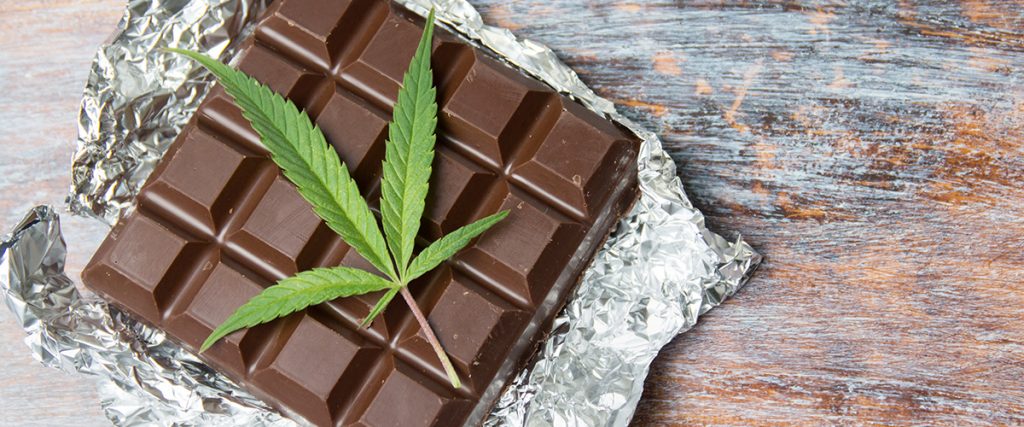
The other concern this year is to be on the lookout for people slipping kids marijuana-laced candy. It is always a good idea to remind your kids to have an adult inspect all candy before eating it.

“You probably can’t tell the difference between medicated gummy bears and the regular ones if you put them side by side,” said Encanto Greens owner Bill Brothers.

All the edibles sold at his store are manufactured someone else and sold locally. The packaging does list marijuana on it but it is often small and the box or wrapping looks like a candy wrapper.

“I think there is an opportunity to improve the labeling of medical marijuana, especially in edibles,” said Brothers.

But is there a significant physical danger if your child were to ingest marijuana found in cookies or gummy bears?

Experts warn parents and kids to never accept treats that don’t come in the original wrapping and always wait to get home and inspect the candy or sweets before eating it.

Full article at 10 News

How Coca Leaf Became Colombia’s New Superfood

No other plant in human history has been as demonized as coca.

In 1961, it was placed on the Schedule I list at the United Nations Single Convention on Narcotic Drugs, which stated that “The Parties shall so far as possible enforce the uprooting of all coca bushes which grow wild. They shall destroy the coca bushes if illegally cultivated.” The plant has been public enemy number one in the worldwide War on Drugs for decades.

But when the World Health Organization announced last year that the Monsanto-made pesticide, glyphosate, was actually highly carcinogenic, Colombia’s days of kissing America’s ass came to a screeching halt. In an abrupt turnaround, Colombia’s president Juan Manuel Santos is now challenging the War on Drugs in its entirety; this a reflection of the national psyche of a country that has borne the brunt of failed policies for far too long and is ready for real change.

“We are trying to promote the proper use of this plant, as it has been perverted for centuries, and show how it is actually used as indigenous tradition,” says Ximena Robayo, who runs the restaurant/café/health food store in the heart of the city’s bohemian La Candelaria district.

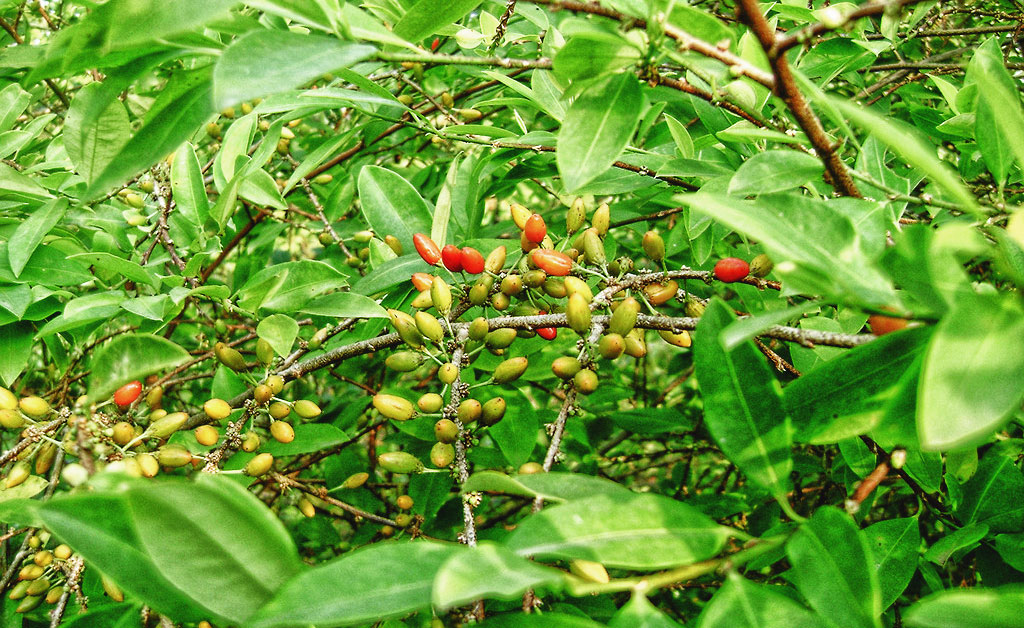
Besides chewing the leaves of coca, or brewing them into a tea, a wide variety of cooked and baked goods and dishes can be made with coca by grinding the leaves into a flour, called harina. This harina can also be stirred into juices, blended in smoothies, and used to make green drinks of all types.

Read the full article at Q Costa Rica