Is Denver’s Psilocybin Decriminalization Having an Impact?

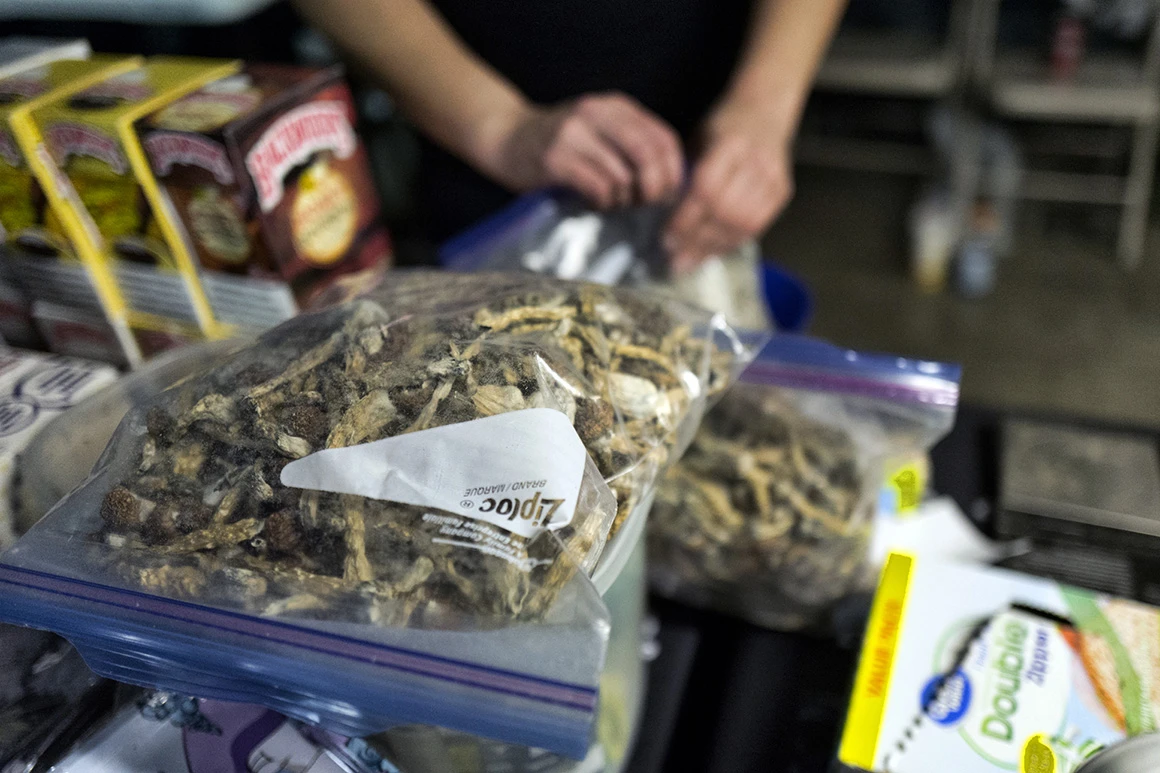
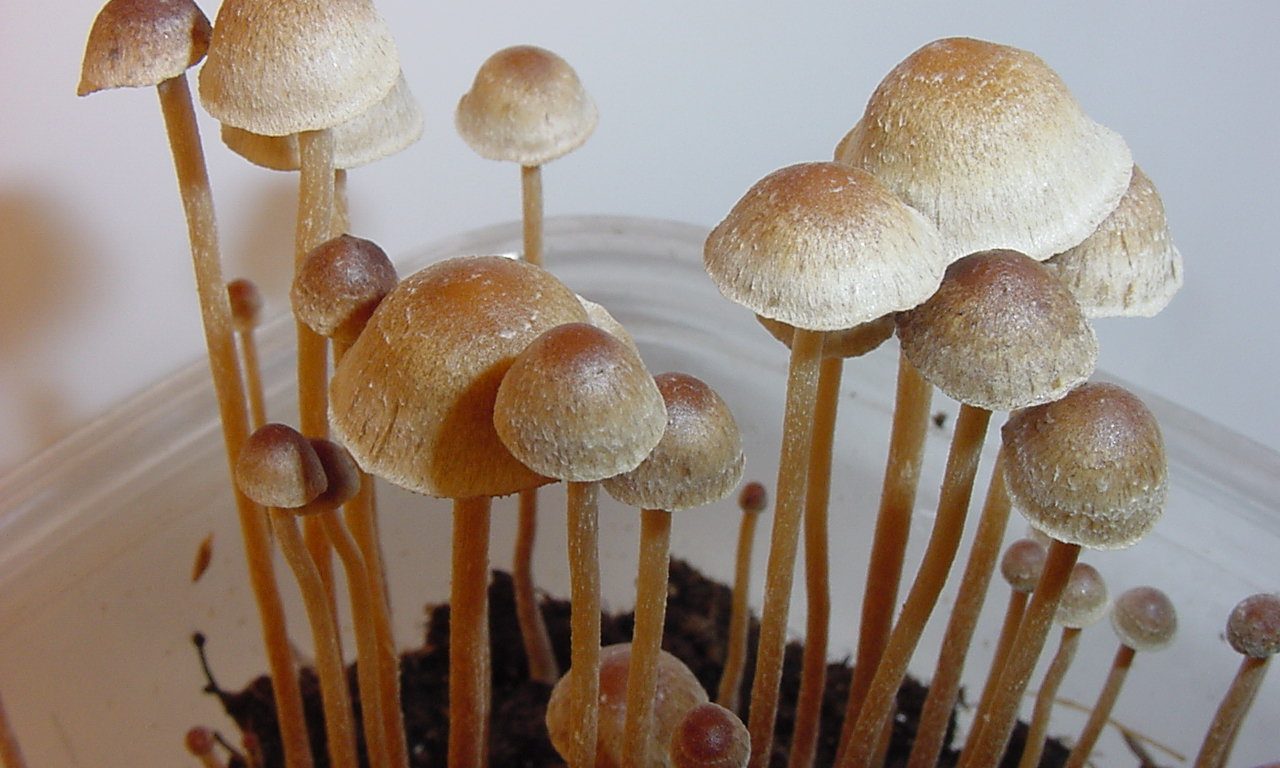
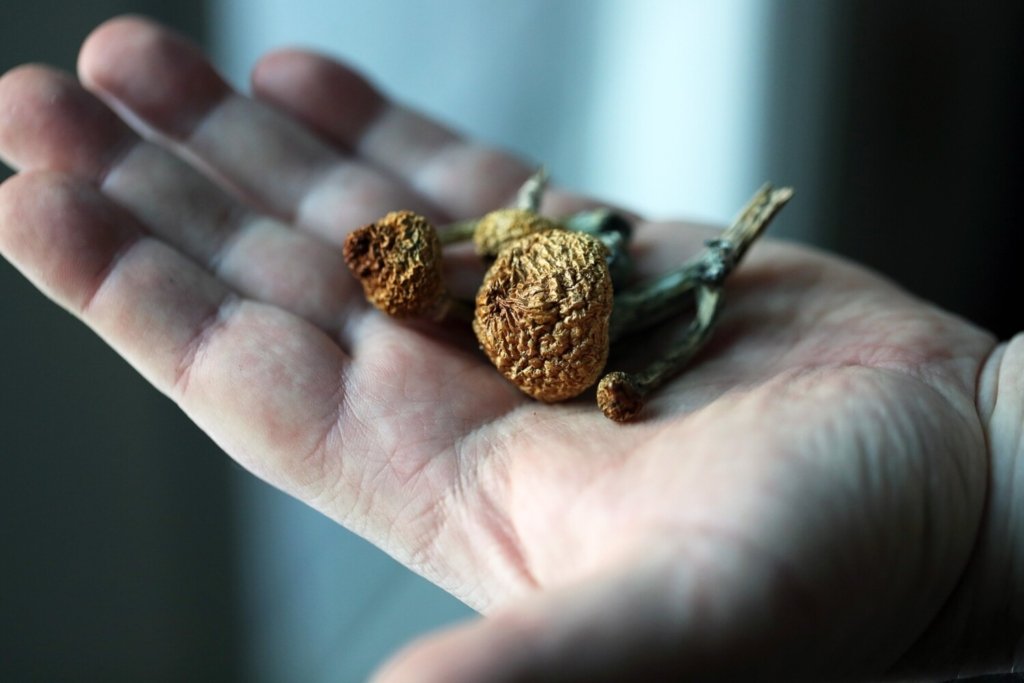
In May 2019, by popular vote, Denver became the first US city to decriminalize psilocybin. A naturally occurring psychedelic found in certain mushrooms, psilocybin is currently a Schedule I narcotic under federal law.

Voters approved Initiative 301 (I-301), better-known as “Decriminalize Denver,” which stated that personal possession, use and cultivation of psilocybin (no specified amount) would be the “lowest law enforcement priority.” The sale and purchase of psilocybin is still illegal, but the bill prohibits police and prosecutors from using any public funding to prosecute those charges. The initiative took effect immediately.

It also required the city to create a psilocybin policy review board comprising local officials, law enforcement, scientific experts and advocates.

“In the past two years since this passed, the sky has not fallen,” Decriminalize Denver Campaign Director and psilocybin review board member Kevin Matthews told Filter.

Keep reading at Filter.

Lee County residents pushing to ban recreational drug

TUPELO, Miss. (WTVA) – A group of parents in Lee County are trying to keep kratom out of reach of children.

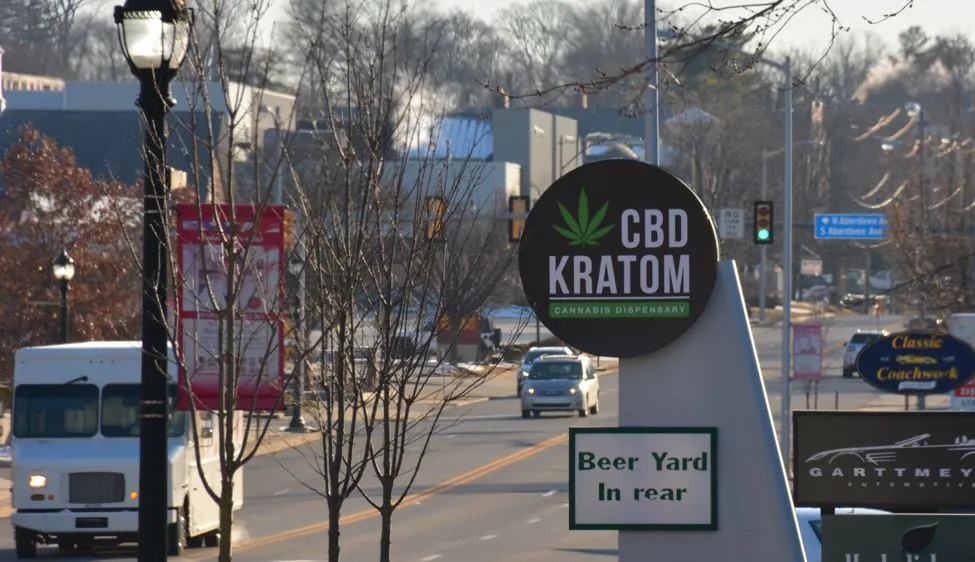
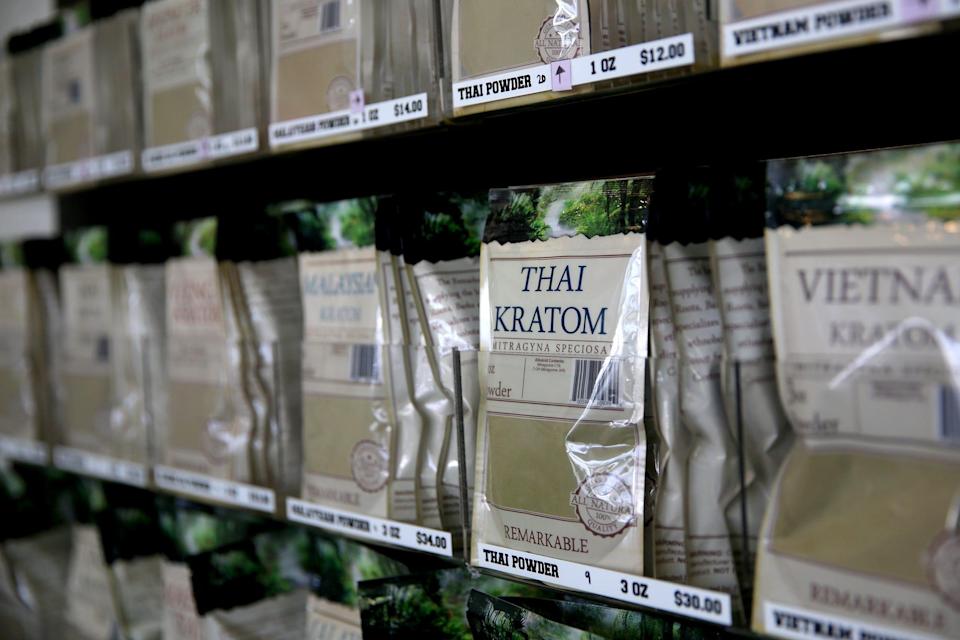
Kratom is a recreational drug that anyone can find at convenience stores or smoke shops.

Chris Hussey spoke on behalf of the group during Monday morning’s Lee County Board of Supervisors meeting.

Hussey said his 15-year-old son wasn’t the same person after he started taking kratom. A few months ago, his son disappeared in the middle of the night. Hussey and his wife found him running on the side of the road.

Hussey said he had to stop using kratom for about a week.

Sheriff Jim Johnson said he asked supervisors to ban the drug over a year ago, but they decided not to.

Read more at WTVA.

Digital Therapeutics And The Future Of Psychedelic Medicine

Digital health and therapeutics will play a crucial role in the future of medicine. Across medical and mental health industries, companies are realizing that the confluence of healthcare and digital platforms will be part of the future of medicine.

Digital therapeutics seem to be especially important in the burgeoning psychedelic medicine industry. The future of psychedelics will be more than simply taking FDA-approved medication, as such potent compounds call for a more holistic and experiential approach to therapy. Therefore digital platforms will likely play a key role in developing this fast-growing sector.

Here are some companies positioning themselves as digital leaders in the growing psychedelic medicine space.

Keep reading at Benzinga.

Amazon Is Lobbying the U.S. to Legalize Weed

Amazon is ramping up its pro-weed campaign, announcing on Tuesday that it is actively lobbying for legislative reforms aimed at decriminalization and reaffirming its commitment to not screening job applicants for cannabis.

Beth Galetti, Amazon’s senior vice president of human resources, declared in a blog post the company’s support for two pieces of legislation aimed at decriminalizing cannabis nationwide. The move comes amid expanding legalization at the state level, with 36 states allowing some level of public access to cannabis and 18 states plus Washington, DC, legalizing recreational adult use.

The first is the Marijuana Opportunity Reinvestment and Expungement Act of 2021 (MORE Act), introduced by House Judiciary Committee Chairman Jerry Nadler, which would remove cannabis from the federal government’s list of controlled substances, effectively decriminalizing it at the federal level.

Keep reading at Gizmodo.

Proposed California Initiative Enters Circulation: Decriminalizes Psilocybin Mushrooms

SACRAMENTO, CA – Secretary of State Dr. Shirley N. Weber has announced that the proponent of a new initiative was cleared to begin collecting petition signatures on September 16, 2021.

The Attorney General prepares the legal title and summary that is required to appear on initiative petitions. When the official language is complete, the Attorney General forwards it to the proponent and to the Secretary of State, and the initiative may be circulated for signatures. The Secretary of State then provides calendar deadlines to the proponent and to county elections officials. The Attorney General’s official title and summary for the measure is as follows:

DECRIMINALIZES PSILOCYBIN MUSHROOMS. INITIATIVE STATUTE. For individuals 21 and over, decriminalizes under state law the cultivation, manufacture, processing, distribution, transportation, possession, storage, consumption, and retail sale of psilocybin mushrooms, the hallucinogenic chemical compounds contained in them, and edible products and extracts derived from psilocybin mushrooms.

Keep reading at Sierra Sun Times.

Bill aims to decriminalize magic mushrooms, mescaline

(The Center Square) – Two Democratic senators sponsored a bill aiming to decriminalize the possession of a range of psychedelics, including psilocybin and mescaline to better treat depression and other diseases.

Democratic Sens. Jeff Irwin of Ann Arbor and Adam Hollier of Detroit sponsored Senate Bill 631.

Irwin says the War on Drugs is the “granddaddy of all failed big government programs.” Like in 2018 when Michiganders legalized marijuana, he argues lumping psilocybin and other hallucinogenic drugs that aren’t prone to abuse next to addictive drugs like heroin and meth is a mistake.

“These are just not the type of drugs that suck people into that vortex of addiction that can sometimes be such a problem,” Irwin said in a phone interview with The Center Square.

Read the story at The Center Square.

Should we aim for harm reduction or absolute safety? Herbal supplement Kratom puts FDA risk calibration to the test

Kratom Powder

The issue of whether or not to ban kratom is an excellent litmus test of whether the Biden administration will actually use the philosophy of harm reduction to guide drug policy—or just spout the trendy catchphrase as window dressing to hide ongoing engagement in the war on drugs.

An estimated 10–16 million Americans currently use kratom as an alternative to opioids, most commonly to treat pain or as a substitute for street drugs. The herb, formally known as Mitrogyna speciosa, has a centuries-long history of use in herbal medicine in Southeast Asia—notably as a substitute for opium.

Kratom does appear to be far safer than all illegal and most prescription opioids: a CDC study of some 27,000 overdoses that occurred between 2016 and 2017 found that it was implicated in less than 1 percent of deaths.

Read more at Genetic Literacy Project.

Psychedelic drugs in Vermont: A grassroots push for legalization picks up on lawmakers’ effort

As a January 2020 bill to decriminalize certain hallucinogenic drugs in Vermont currently sits in committee, a grassroots petition was recently started to “legalize psychedelics for mental health in Vermont.”

Garnering over 260 signatures over the past two weeks, the petition cites research from the Johns Hopkins Center for Psychedelic and Consciousness Research as evidence of the safety and mental health benefits of psychedelic drugs. Johns Hopkins has found that psilocybin, also known as “magic mushrooms,” can help relieve depression, anxiety, nicotine addiction, and alcohol dependency.

The petition urges Vermont to follow in the steps of other parts of the country that have decriminalized certain psychedelics, which include Oregon; Denver; Ann Arbor, Michigan; Santa Cruz, California; and Washington, D.C.

Continue reading at Burlington Free Press.

FDA’s Suspected Push for Global Kratom Ban Rattles Advocates

Despite Thailand’s recent legalization of kratom—swiftly following the country’s decriminalization earlier this year—international kratom advocacy’s momentum is facing stern resistance from the United States Food and Drug Administration.

The FDA has made no secret of its attitude to the plant, following numerous attempts to schedule it as a federally illegal substance in recent years. Dr. Scott Gottlieb, the agency’s former commissioner, even groundlessly blamed kratom for “fueling the opioid addiction crisis” this past spring. While the failures of attempts at federal scheduling have represented victories for kratom advocacy, it doesn’t mean the FDA is slowing down.

In late July, the FDA publicly announced that it will be gathering feedback from the US public as part of an effort to compile data on kratom.

Continue at Filter.

Kratom Activists Send Tens Of Thousands Of Comments Telling FDA To Oppose Possible International Ban

Kratom advocates have rallied tens of thousands of people to submit comments to the Food and Drug Administration (FDA) that will help inform the U.S. position on how the substance should be classified under international law.

In October, the World Health Organization’s (WHO) Expert Committee on Drug Dependence will discuss whether to recommend that kratom be globally scheduled. While FDA opened a public comment period for input that was set to end on August 9, the American Kratom Association (AKA) successfully sued for an extension that ended this week.

With those extra weeks for input, AKA’s online activist portal managed to get more than 63,000 people to share their experiences, scientific literature and recommendations encouraging the U.S. to oppose an international ban. FDA itself has logged about 26,000 comments that were directly sent in through the federal government’s own submission site.

Read more at Marijuana Moment.

FDA Should Regulate Kratom, Not Ban It; Trauma And Its Physical Effect On The Body

Opinion writers weigh in on kratom, trauma, prescription drug costs and price transparency.

Stat: Proposed Kratom Ban Would Harm The Public, Damage FDA’s CredibilityTrust in the U.S. Food and Drug Administration (FDA) declined after its approval of the controversial Alzheimer’s drug aducanumab. Three experts resigned amid allegations that the FDA had caved to industry pressure. Some argue that its credibility has reached a new low. These events should have prompted the FDA to pause, reflect, and work to repair its reputation. Instead, the agency is forging ahead with actions that may further erode its credibility. A timely example is its position on Mitragyna speciosa, commonly called kratom, a tree related to coffee plants. (Mason Marks, 8/23)

Talking the Future of Magic Mushrooms and Their Therapeutic Uses

Marijuana was legalized in Canada just a few years back and we are certain there are not too many who are truly upset with this. Psilocybin, however, the chemical compound found in “magic mushrooms”, is still illegal. It has been since 1974. This needs to change.

Enter Spencer Hawkswell. He’s the CEO of a new Victoria based non-profit called TheraPsil. He helped co-found this venture with his friend and mentor Dr. Bruce Tobin, a psychotherapist. Together they’ve helped a small group of Canadians in their time of need, specifically end of life treatment.

In doing so they’ve given those individuals at this time a new medicine with which to work with, one that isn’t addictive and completely natural. The results have been life changing. They want to help all Canadians, but until Health Canada changes the law regarding the manufacture, production and use of psilocybin, their hands are largely tied.

Read more at Scout Magazine.

The FDA Shouldn’t Support a Ban on Kratom

In ordinary times, there would be no question about whether a drug with opioidlike effects should be proven safe and effective and approved by the Food and Drug Administration (FDA) before it is widely marketed. But these aren’t ordinary times and the herbal supplement kratom is not a typical drug.

In fact, the issue of whether or not to ban kratom is an excellent litmus test of whether the Biden administration will actually use the philosophy of harm reduction to guide drug policy—or just spout the trendy catchphrase as window dressing to hide ongoing engagement in the war on drugs.

An estimated 10–16 million Americans currently use kratom as an alternative to opioids, most commonly to treat pain or as a substitute for street drugs. The herb, formally known as Mitrogyna speciosa, has a centuries-long history of use in herbal medicine in Southeast Asia—notably as a substitute for opium.

Read the full article at Scientific American.

What to know about the booming psychedelics industry, where companies are racing to turn magic mushrooms and MDMA into approved medicines

The psychedelics space is booming.

Over the past year, startups focused on turning psychedelic compounds into approved medicines have raised hundreds of millions of dollars from private investors and dozens have gone public.

Research on compounds like psilocybin, the active compound found in magic mushrooms, and MDMA is resurfacing after years of neglect amid the war on drugs.

Here’s a look at the booming psychedelics industry:

VCs have deployed millions into psychedelics startups – here’s what they say will happen next

Venture-capital investors have been at the center of the psychedelics boom. In early 2020, startups in the space said they were beginning to see signs that investor appetite was growing.

Then, we saw a flurry of activity, which one industry exec called a “psychedelic renaissance.”

Soon, VC firms focused on psychedelics companies specifically began to emerge.

Read more at Business Insider via MSN.

FDA Gathers Public Comment on Looming Global Kratom Ban

Should kratom be banned on a global scale? Published in the Federal Register on July 23, the U.S. Food and Drug Administration (FDA) is now seeking public comment to inform the U.S. position on how the plant should be scheduled under international statute.

Public comment will help inform the FDA’s position on kratom regulation ahead of an October meeting of the World Health Organization’s (WHO) Expert Committee on Drug Dependence (ECDD), where international officials will discuss whether to recommend the substance be globally scheduled.

Kratom and its two active compounds—mitragynine and 7-hydroxymitragynine—are in pre-review status, according to WHO. The pre-review process determines if there is sufficient evidence to bring the substance before the ECDD for a formal review; “findings at this stage should not determine whether the control status of a substance should be changed,” according to the WHO notification.

Read more at High Times.

Oregon Gov. Kate Brown plans to veto bills related to mental health oversight, kratom sales

Gov. Kate Brown intends to veto two bills approved during the recent Oregon Legislature session.

Brown’s office announced Sunday that she will reject Senate Bill 721. It changes the way members are selected for a consumer advisory council that helps the Oregon Health Authority deal with mental health and substance abuse. The bill would allow members of the advisory council to select future members and refines its advisory role in an attempt to ensure consumers have a voice in how mental health and substance abuse policies are crafted and enforced.

The governor’s office says the legislation is well intentioned, but contradicts federal law, which prohibits the Oregon Health Authority from delegating its responsibility over implementing Medicaid policies.

Sponsors plan to submit a revised bill.

Read more at OPB.org.

FDA Seeks Public Input On Possible Global Kratom Ban After Domestic Scheduling Effort Stalled

After failing to get kratom prohibited domestically, the Food and Drug Administration (FDA) is now seeking public comment to inform the U.S. position on how the substance should be scheduled under international statute.

In a notice published in the Federal Register last week, the agency is soliciting feedback on a number of substances. But advocates are especially concerned about where FDA and global drug officials come down on kratom, which has been touted as a natural painkiller that works as a safer alternative to prescription opioids.

The U.S. agency doesn’t quite see it that way, however.

“Kratom is abused for its ability to produce opioid-like effects,” FDA wrote in the notice. “Kratom is available in several different forms to include dried/crushed leaves, powder, capsules, tablets, liquids, and gum/ resin. Kratom is an increasingly popular drug of abuse and readily available on the recreational drug market in the United States.”

Read more at marijuanamoment.net.

Why some Mass. communities are moving to decriminalize psychedelics

As evidence of the medicinal value of psychedelics grows, advocates and legislators are pushing to decriminalize and eventually legalize these long-used natural substances.

Since February, Cambridge, Somerville, and Northampton have passed resolutions decriminalizing entheogenic plants, a family of natural sources containing certain psychoactive compounds. Examples include peyote (a species of cacti), psychedelic mushrooms (which contain the hallucinogen psilocybin), and ayahuasca.

Oakland, California, did it first: in 2019, the City Council passed a resolution effectively decriminalizing entheogenic plants. In 2020, Oregon voters passed a ballot measure giving the state health authority two years to develop a program where adults can purchase and consume psilocybin products under supervision at a service center.

Though in the U.S., these substances famously grew in popularity in the 1960s and 70s, indigenous cultures across the Americas have used them for remedial and spiritual purposes for hundreds of years.

Keep reading at Boston.com via MSN.

N.J. has dismissed 88K weed cases under new marijuana law

ew Jersey has vacated or dismissed tens of thousands of marijuana convictions as the state continues to work out the details of its new legal cannabis market.

The state Judiciary has dealt with 88,000 cases so far, it announced Monday evening. These are the first wave of an estimated 360,000 identified that qualify for expungement.

Cases that have been vacated or dismissed still need to be expunged. That’s the step that ultimately clears a person’s record. That phase will come in the next few months, according to the judiciary.

A state Supreme Court order issued earlier this month laid out a process for vacating, expunging and dismissing certain marijuana offenses from people’s records. These include selling less than one ounce of marijuana and possession, as well as related crimes like possession of drug paraphernalia, being under the influence, failing to turn over marijuana or being or possessing marijuana while in vehicle.

Read the full story at NJ.com.

MAGIC MUSHROOMS could work as antidepressant, study finds

A psychedelic drug found in mushrooms could work as an antidepressant, new research shows.

Psilocybin, a compound that naturally occurs in some mushrooms, may be able to increase the long-lasting connections between neurons in the brain by 10 percent.

A research team from Yale University believes these connections can reduce the effects of depression on a person.

The study, which will be published in the journal Neuron on Monday, also found that the strength of neuron connections increases as well.

‘We not only saw a 10 percent increase in the number of neuronal connections, but also they were on average about 10 percent larger, so the connections were stronger as well,’ Alex Kwan, senior author of the study and associate professor of psychiatry and of neuroscience at Yale.

Keep reading at The Daily Mail UK.