Kratom Legality in the U.S. By State (2020 Updated)

Centuries back when the farmers in Indonesia first discovered Kratom, they were quite happy.

They found something which cured their fatigue and lethargy and alleviated their stress. Those were the good days when Kratom was only used for medical conditions.

However, gradually the world got to know about this supplement. Many were curious to find out the effects of Kratom.

Once they discovered that it causes euphoria and stimulation at low doses, they were enthralled.

This was when Kratom’s use increased in parties and clubs. The FDA and DEA noticed the use of this drug and immediately took action to regulate it and to reduce its recreational use.

However, they failed to produce a scientific basis for the rumors attached to the drug. Many states in America were alarmed at the rumors and started banning it.

Keep reading

Legal kratom edges closer

Proposed legislation that would remove kratom from the list of narcotics has taken a step closer to being tabled before parliament, the Office of the Narcotics Control Board (ONCB) said on Tuesday.

The Council of State, the government’s legal arm, finished examining the amendment to the Narcotics Act last Wednesday, and will send back to the cabinet for endorsement before it is forwarded to parliament, ONCB secretary-general, Niyom Termsrisuk, said.

The cabinet approved in principle to remove kratom from the drugs list in March.

Mr Niyom warned the public that the plant is still considered a narcotic at present, which means possessing it is illegal.

The warning came in response to a recent surge in drug cases involving kratom.

The number of cases logged by the ONCB’s operations centre rose sharply by 46% between April and June, which suggested many people believe the plant had already been delisted, Mr Niyom said.

Bangkok Post

Why Legal Kratom May Face a Battle with Drug Companies

Kratom is a natural drug based on the leaves and extractions of a plant of the same name that come from Southeast Asia. It is said to treat a variety of ailments and conditions, most notably withdrawal symptoms from heroin and other addictive drugs. It is also considered a mood and energy booster and is also used recreationally.1

The product contains compounds that can have psychotropic (mind-altering) effects, although the product is largely legal in the US. Mostly it is consumed for pain and relaxation, like cannabis.

While legal nationwide, concerns about the product have led some jurisdictions to restrict it. My state of Alabama has made it illegal and other authorities prevent local retail sales.

Concerns are in all likelihood overblown. In one study of Colorado (pop. 5.8+ million), over the period 1999–17 there were only fifteen kratom-related deaths. Of these cases, fourteen involved multiple other drugs, eight involved opiates, and only one was found to be a kratom-only death.

Read more at Mises.org.

St. Louis CBD retailer ‘blacklisted’ by credit card company, lawsuit claims

A St. Louis-based CBD retailer is fighting credit card company Visa in court, alleging the business has been unfairly blacklisted, according to a lawsuit that moved forward in federal court this week.

The suit was first brought in 2018 by MNG 2005 Inc., parent company of CBD Kratom, which has 40 retail stores across the U.S., including 14 in St. Louis.

The company claims that in March 2018 it contracted with JPMorgan Chase Bank to process credit card payments for online orders, but the company got a warning from a Visa contractor, G2 Web Services, that CBD Kratom was added to a “blacklist” because it was engaging in illegal activity and was part of a law enforcement investigation.

Chase in response shut down the retailer’s account on May 1, 2018, and withheld $66,500 in payments from customers, the suit claims.

Read more at St. Louis Post-Dispatch.

Is Kratom Legal To Buy In South Dakota?

The legality of Kratom on the federal level in the U.S, concerns every buyer in the country because the laws are changing constantly in every state. Few credible and important facts about Kratom legality in South Dakota are stated below:

A Little About South Dakota

To start with let us discuss some credible facts about South Dakota. The land of plenty, South Dakota, makes one-third of the United States’ economy because of extensive cultivation of wheat, hay, corn, and soybeans.

South Dakota is known as a “land of variety.” It has many outdoor adventures in the form of National parks, black hills, and Badlands. River Missouri flows throughout central South Dakota, adding to its beauty. It also has hustling markets and a quiet country escapes.

This state which is located in the Midwestern region of America has all the tourists’ attractions and you will feel great there!

Keep reading

Kratom in Tennessee: Legal Status & Where to Buy

Kratom legality is one of the biggest current issues that has prompted an ongoing debate among lawmakers, government bodies -like FDA and DEA- and the Kratom supporters.

The arguments presented by both parties are supported by scientific research -which makes it all the more confusing for the people to decide and stick with any particular side.

Not only that, but Kratom has also been made illegal in many states and cities of the USA, namely; Alabama, Washington DC, Arkansas, Indiana, Tennessee, Rhode Island, Wisconsin, Vermont, and Columbia.

However, whether Kratom, also known as Mitragyna Speciosa is “a drug of concern” or “a beneficial botanical” is a question for another time, because one fact that remains true is that Kratom is helping millions of people in the USA, alone.

Continue reading

Marijuana legalization successes pave way for national conversation on drug laws: Experts

A majority of voters in five states, both red and blue, passed ballot measures that legalized marijuana on Election Day.

This show of support at the polls will put more pressure on other states and the federal government to update its drug policies, according to advocates and experts.

“This indicates that people are frustrated with the outdated drug policies from the 1970s,” Mason Marks, a law professor at Gonzaga University and a fellow in residence at Harvard Law School’s Petrie-Flom Center for Health Law Policy, told ABC News.

In some cases, like New York, elected officials are publicly sounding the call for major policy changes.

In ballot measures passed in New Jersey, South Dakota, Montana and Arizona, residents over 21 will be able to purchase and consume marijuana for recreational purposes.

Continue reading at ABC News

More Evidence Magic Mushroom Ingredient May Help Treat Depression – Right In Time For Legalization

Magic mushrooms may be making headway in medicine.

As voters in Oregon and DC opt to decriminalize psilocybin, there is growing evidence that the active compound in “magic,” or hallucinogenic, mushrooms might benefit individuals with moderate to severe depression—at least when used alongside psychotherapy under a doctor’s supervision.

“The findings that we have in our study, we believe, are related to the fact that it was in a controlled setting where we have trained professionals,” explained Alan Davis, a psychologist, social work researcher at Ohio State University, and adjunct assistant professor at Johns Hopkins University’s Center for Psychedelic and Consciousness Research.

“We certainly would not suggest that someone go out and take this on their own,” he added. “However, there are currently multi-site trials going on in the US and Europe, testing this in phase 2 and phase 3 trials in order to hopefully garner FDA approval in the next couple years.”

More at Forbes

Kratom Legality Case in Indiana: What Residents Need To Know

Despite being dubbed as the “drug of concern” by FDA, Metragyna Speciosa, or in other words, Kratom has been the miraculous lifesaving drug for many. As a herbal tea used by Asian farmers in the 19th century, it is intriguing that the Americans have gotten fond of Kratom so quickly. There are 16 million Kratom users in the USA at the moment, who are using this beneficial botanical for pain relief, anti-depressant, and as a remedy for drug addiction.

However, the legality concerns surrounding Kratom has dampened moods of everyone around, as they never know when and where it can be made illegal. At the moment, Kratom is illegal in Alabama, Arkansas, Indiana, Tennessee, Vermont, Rhode Island, Wisconsin, Columbia, and Washington DC. For the rest of the USA, it is entirely legal to use, sell, and buy.

Keep reading

Drug legalization makes big gains with voters

Voters in six states and the District of Columbia approved measures that will broaden the availability of previously illicit drugs for recreational or medical use on Tuesday in an across-the-board win for legalization advocates.

In Arizona, almost 60 percent of voters approved Proposition 207 to legalize the use of recreational marijuana, and to allow adults over the age of 21 to possess up to six marijuana plants in their homes.

In Montana, a legalization measure passed with more than 56 percent of the vote. More than two-thirds of New Jersey voters approved Question 1, which will amend the state constitution to allow recreational marijuana use. South Dakota voters approved measures seeking both medical and recreational use of marijuana; the medical measure passed by a wide margin, while legalization passed by a slimmer 53 percent to 47 percent margin.

Keep reading

Hong Kong lawmakers call for controls on kratom, the supplement known as ‘legal heroin’

Hong Kong lawmakers have called for controls against a potentially addictive herbal substance known as “legal heroin” now available in the city.

Kratom, or ketum, is made from the leaves of the Mitragyna speciosa tree which is native to parts of Southeast Asia, including Thailand and Indonesia.
The leaves, which can be chewed, brewed as a tea or ground, contain chemical compounds that cause stimulatory or sedative effects in different doses.

These effects are similar to those in the opioid drug class, which includes heroin and opium, some of the most addictive of all known substances.

Kratom has been used in traditional medicines in the region since at least the 19th century and available from many kratom vendors. But in recent years an increasing number of people in the United States and other parts of the world, especially those suffering serious opioid crises, have been using kratom as a mood booster, a pain reliever, and as a treatment for opioid addiction as a result of its ability to mirror the opioid drug class.

Continue reading

Numinus Becomes The First Canadian Psychedelics Company To Legally Harvest Magic Mushrooms

A Vancouver-based psychedelics company has become the first in Canada to complete a legal harvest of magic mushrooms since the last wave of psychedelic research ended there in the 1970s.

Numinus Bioscience, a healthcare company with a focus on research and product development, announced the harvest of its first flush of psilocybe mushrooms yesterday at its licensed facility in Nanaimo, B.C., where it operates a research and testing laboratory. The firm is developing formulations and solutions intended for use in the burgeoning psychedelic therapy space, and received a license from Health Canada to grow and extract magic mushrooms as recently as June of this year.

The license, issued under the Controlled Drugs and Substances Act, allows Numinus to test, import, store, and distribute MDMA, psilocybin, psilocin (two compounds present in psychedelic mushrooms), DMT and mescaline.

Read more at Forbes

Sen. Scutari, author of N.J. legal weed proposal, talks possible legalization Tuesday at public forum

State Sen. Nicholas Scutari is author of the adult-use, recreational marijuana legalization bill that never made it to the Senate for a full vote. You know by now New Jersey cannabis legalization is Public Question 1 (on the other side of the ballot if you haven’t voted yet).

If the ballot question passes — which seems likely considering most New Jersey voters support legalization according to several polls — Scutari’s bill will be used as a framework to draft enabling legislation.

On Tuesday, Oct. 2, Scutari will join NJ Cannabis Insider reporter Justin Zaremba for a discussion about what the future of cannabis in the state may look like after Nov. 3. The half-hour program, which starts at 1 p.m., will be streamed live on NJ.com’s Facebook page.

Scutari told NJ Cannabis Insider recently he is reviewing with the state Assembly the legislation he drafted that would regulate and tax weed and end arrests for possession.

Keep reading at NJ.com

How you can help 6 state legalization campaigns right now

In the final two-week run-up to Election Day on Nov. 3, legalization efforts in six states are looking for a final push to win over undecided voters.

Here’s how you can help.

Arizona

Prop. 207, adult-use legalization, is gaining support among Arizona voters as Election Day nears. In a mid-October poll, 56% of contacted voters approved of Prop. 207, while 36% opposed and 7% were undecided.

To move those undecideds into the approval category, the Smart and Safe Arizona campaign can use your help.

Mississippi

Mississippi’s Medical Marijuana 2020 campaign has a tough challenge: Convince residents to vote for Initiative 65 (the real legalization measure) and not Initiative 65A (the fake measure).

Every dime makes a difference! Donate here.

Kratom a step closer to legalisation for medicinal use

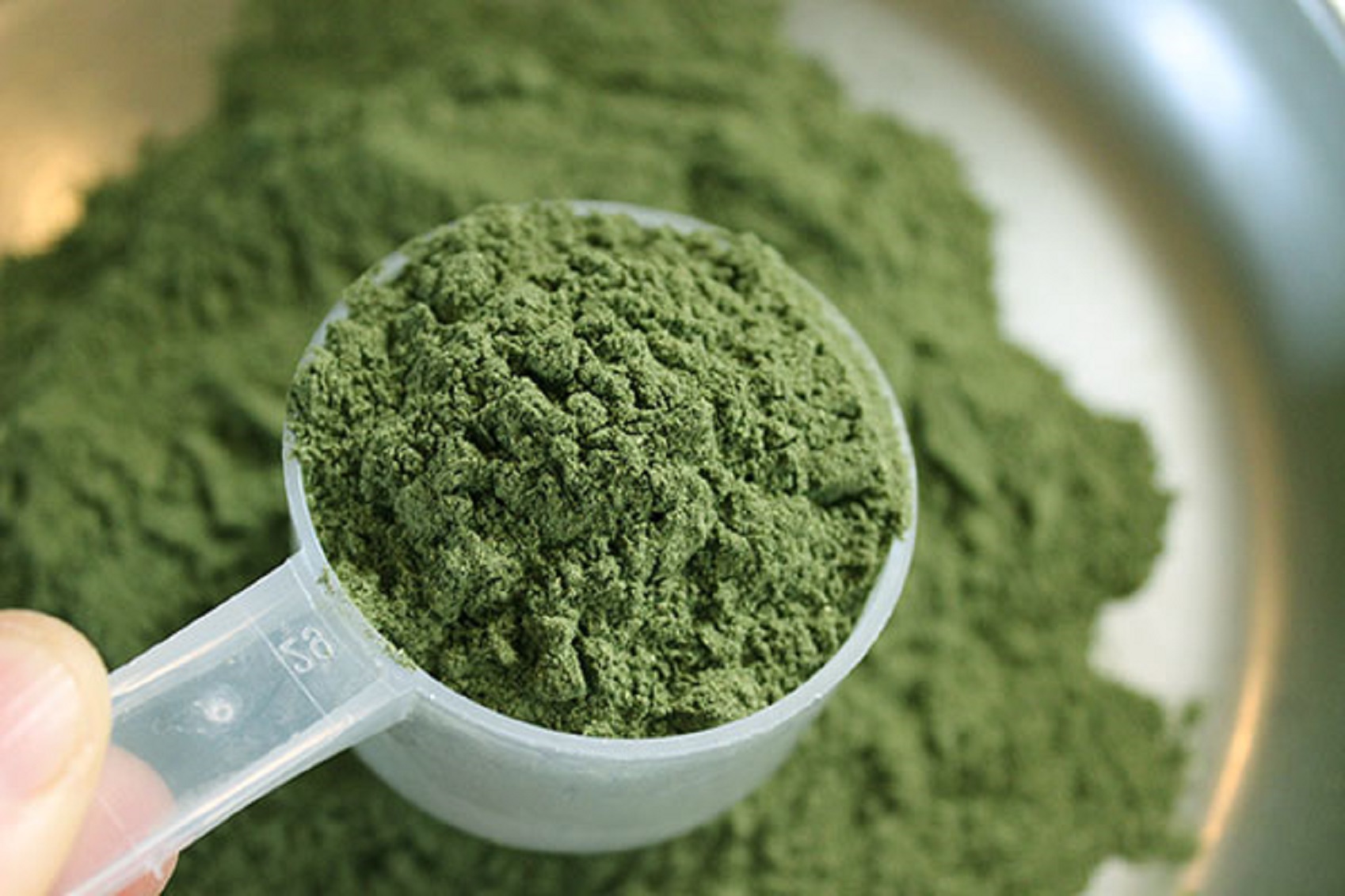
Kratom Powder

Kratom, a plant known for its psychotropic and relaxing effects, is in the process of being legalised in Thailand for medicinal use. The Cabinet just approved the Justice Ministry’s bill to amend the Kratom Act which would legalise production as well as importation and exportation of kratom. The bill will be forwarded to the Office of the Council of State before it is approved by the House.

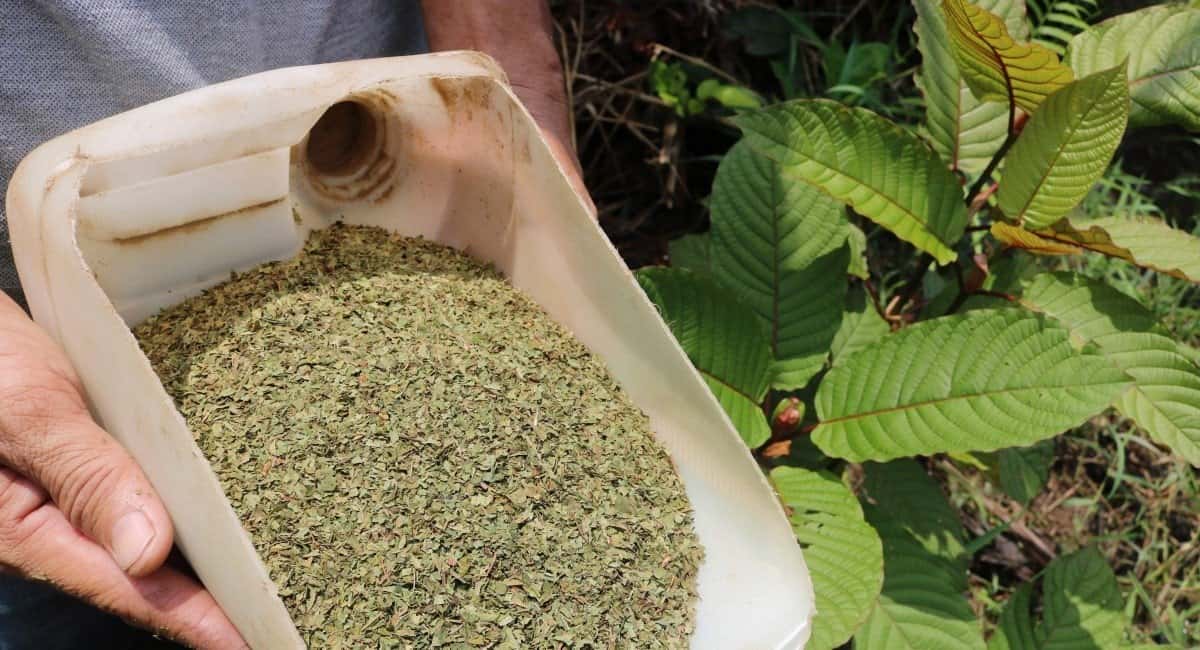
The kratom tree, Mitragyna speciosa, is native to Southeast Asia and in the coffee family. The leaves have been used in traditional medicine to treat pain, fever, dysentery and diarrhoea, according to the Bangkok Post. In recent years, kratom has become popular in the United States and used recreationally with many tea bars offering different types of kratom teas and shakes. Some people with a history of alcohol addiction have used kratom as an alternative. Others enjoy the kratom’s relaxing effects.

Read more

Kratom a step closer to legalisation for medicinal use

Kratom, a plant known for its psychotropic and relaxing effects, is in the process of being legalised in Thailand for medicinal use. The Cabinet just approved the Justice Ministry’s bill to amend the Kratom Act which would legalise production as well as importation and exportation of kratom. The bill will be forwarded to the Office of the Council of State before it is approved by the House.

The kratom tree, Mitragyna speciosa, is native to Southeast Asia and in the coffee family. The leaves have been used in traditional medicine to treat pain, fever, dysentery and diarrhoea, according to the Bangkok Post. In recent years, kratom has become popular in the United States and used recreationally with many tea bars allowing customers to buy kratom in different forms like teas and shakes. Some people with a history of alcohol addiction have used kratom as an alternative. Others enjoy the kratom’s relaxing effects.

More at The Thai Tiger

Oregonians will vote whether to legalize therapeutic use of ‘magic mushrooms’

On Tuesday, supporters of Measure 109 came together virtually to talk about the mental health benefits of the drug.

If passed, this measure would allow the manufacture, delivery and administration of psilocybin at supervised, licensed facilities to adults aged 21 and over.

Currently, the manufacturing and consumption of this drug is illegal under both state and federal law.

Supporters say psilocybin therapy relieves debilitating anxiety and depression that comes with a terminal illness.

On the Zoom call Tuesday, attendees heard from a cancer patient in Portland who has a terminal diagnosis.

Mara McGraw says she underwent psilocybin therapy with a trained facilitator recently after trying other options.

“In just one session, I feel tremendous relief from fear and anxiety that had been burdening me for three years now, and I did not receive that type of relief through a year of talk therapy. So, one session gave me more than going weekly to talk therapy for an entire year,” said McGraw.

Keep reading at MSN

Series of Illinois Cities Ban Kratom

Sound the alarm. At least four communities in southwest Illinois recently banned the sale of kratom—an herb used for its painkiller-like properties—in an effort to crack down on the herb’s growing popularity.

The cities and communities of Jerseyville, Alton, Glen Carbon and most recently, Edwardsville City banned the sale of kratom. In Edwardsville, people who violate the new ordinance banning the herb are subject to a $750 fine.

“We were presented with quite a bit of health-related data, and members of the community spoke out against it because of its potentially harmful side effects,” Ward 1 Alderman S.J. Morrison stated. “There’s just not a lot known about it.”

Other communities in the area are exploring options for cracking down on kratom sales. CBD Kratom in Belleville sells both CBD supplements and kratom supplements, among other similar products.

Keep reading at Dope Magazine

New Arizona Polls Show Narrow Support for Legalization

Arizona voters will likely support cannabis legalization during November’s General Election as a new Suffolk University/USA TODAY Network poll found 45.6 percent back the reforms with 34.2 percent opposed, AZ Central reports.

The poll comes about one month out from the election.

The poll did find 19.2 percent of respondents were still undecided – a large enough cohort to defeat the initiative. In 2016, Arizona voters narrowly rejected the reforms 52-48 percent.

The poll found 59 percent of Democrats support Proposition 207, with 20 percent opposed and 21 percent undecided. Just 30 percent of Republicans said they supported the reforms, with 50 percent opposed and 20 percent undecided.

A separate poll by Smart and Safe Arizona – the campaign behind the initiative – released last week found 50 percent support and 34 percent opposed, according to the report.

Keep reading

Lawyers who specialize in cannabis are eyeing the burgeoning psychedelics industry as companies studying magic mushrooms go public

Lawyers who specialize in the cannabis industry say they’re getting inquiries from a new kind of client: psychedelics companies.

The calls started coming in around a year to a year and a half ago, as the psychedelics industry began to ramp up and garner more investor dollars, half a dozen cannabis lawyers told Business Insider. It’s accelerated in recent months as companies seeking to use psychedelic substances as medical treatments have gone public on US and Canadian stock exchanges.

Like cannabis, psychedelic substances like psilocybin and ibogaine are Schedule I drugs under the Controlled Substances Act in the US, which creates complications for businesses seeking to work with them. That helps create new clientele for cannabis lawyers, who have the expertise of helping cannabis companies navigate complicated laws and regulations over the years.

Read the full story at Business Insider