Trump Weighs Executive Order to Reclassify Marijuana

President Donald Trump is reportedly considering an executive order that would ease federal restrictions on marijuana by reclassifying it from a Schedule I drug, a category reserved for substances deemed most dangerous, such as heroin and LSD. The move, first reported by The Washington Post and CNBC, would not legalize marijuana federally but could broaden research access and simplify operations for the cannabis industry.

Marijuana is now legal for medical or recreational use in 45 states, and public support remains high, with 64% of Americans favoring legalization, according to Gallup. Trump’s consideration follows stalled efforts under the Biden administration to reclassify the drug as less dangerous.

Read the full report on USA Today.

Fried Blasts Congress Over Surprise Federal Hemp Ban

Florida Democratic Party chair Nikki Fried is condemning Congress for approving a surprise federal ban on most consumable hemp products, warning it endangers hundreds of thousands of jobs and a multi‑billion‑dollar industry just years after federal legalization. The ban, folded into a recent spending bill signed by President Donald Trump, is set to take effect next November unless lawmakers reverse course.

Fried says small farmers and mom‑and‑pop hemp businesses are “gut‑wrenched,” having invested life savings only to face sudden recriminalization driven by fears over unregulated intoxicating cannabinoids. She predicts Congress will be forced to “fix this” amid mounting pressure from stakeholders and notes Florida is simultaneously moving toward a 2026 ballot measure to legalize adult‑use marijuana, reflecting broader public support for ending cannabis prohibition. Read the full original report at Marijuana Moment.

Florida’s Adult-Use Marijuana Initiative Moves Closer to Ballot Amid Legal Drama

Florida’s long road to adult-use marijuana legalization took a significant step forward this week as state election officials confirmed that proponents have collected enough valid signatures for a proposed constitutional amendment to qualify for further legal review. The measure, spearheaded by the Smart & Safe Florida campaign, follows a lawsuit accusing Governor Ron DeSantis’ administration of attempting to undermine the process. The Division of Elections’ acknowledgment now sends the proposal to the attorney general before the state Supreme Court reviews its language.

This marks the second legal challenge from Smart & Safe Florida after an earlier order aimed to discard nearly 200,000 signatures. The campaign ultimately needs 880,000 valid signatures to appear on the November 2026 ballot. Support from major medical cannabis companies, especially Trulieve Cannabis Corp., remains strong, with $25.8 million contributed so far. Last year’s bid narrowly missed passage with 56% voter support but fell short of the required 60% threshold.

Read more at MJBizDaily.

Nebraska’s Long Road to Medical Cannabis

LINCOLN, Neb. — After more than a decade of failed attempts, Nebraska voters decisively approved medical cannabis legalization in 2024, marking a turning point in the state’s stance on marijuana. Initiatives 437 and 438 passed with over two-thirds of voter support, legalizing possession for patients and creating the Nebraska Medical Cannabis Commission.

Yet, as reported by MSN News, progress quickly met resistance. State officials challenged the petitions’ validity, leading to a court battle that ultimately upheld the initiatives. Governor Jim Pillen later appointed the commission, but delays, resignations, and regulatory setbacks have left implementation uncertain.

With just two cultivators licensed and access still months away, advocates fear the state’s program could stall before patients see any real benefit.

Trump’s Cannabis Rescheduling: Relief and Complexity in New Era

President Donald Trump’s push to reschedule cannabis from Schedule I to Schedule III presents both new opportunities and fresh challenges for the industry and regulators. While rescheduling would end the notorious IRS 280E tax penalty, allowing cannabis businesses to claim normal deductions and improve profitability, it does not equate to federal legalization of state-licensed markets. Instead, only DEA-registered entities will access the full benefits, while state dispensaries remain outside federal legitimacy.

Big Pharma is expected to enter the space at the level of pharmaceutical-grade products, not retail dispensaries. State markets and jobs remain protected, as federal changes won’t force states to shutter their systems. For operators, adapting facility security and compliance are now critical, as the world watches this pivotal moment in U.S. cannabis history.

Read the full analysis at Forbes: “Trump And Cannabis Rescheduling: Opportunities And Limitations Under Schedule III”.

Nebraska Officials Tighten Medical Marijuana Rules, Drawing Public Outrage

Nebraska’s Medical Cannabis Commission has voted to impose stricter regulations on the state’s medical marijuana program, despite overwhelming voter approval for broader access in 2024. The new rules cap the number of dispensaries at 12 statewide, limit cultivator and manufacturing licenses to four each, and prohibit smoking, vaping, and edible products. Patients will be restricted to purchasing up to 5 ounces of cannabis every 30 days, with additional limits on THC concentration.

Advocates, including Nebraskans for Medical Marijuana director Crista Eggers, say the commission has defied the will of voters who supported legalization by more than 70 percent. “This is a direct assault on patients, families and the democratic process itself,” Eggers said.

The revised rules now await Gov. Jim Pillen’s approval. Read more at Marijuana Moment.

Pennsylvania House Schedules Vote on Cannabis Legalization Bill

The Pennsylvania House of Representatives is set to hold a key vote tomorrow on House Bill 1200, which would legalize recreational cannabis for adults 21 and older. The bill, introduced by a bipartisan group of 27 lawmakers, narrowly passed the House Health Committee in a 14-12 vote along party lines. If approved, HB 1200 would allow adults to purchase marijuana from state-licensed Pennsylvania Cannabis Stores and grow up to two mature and two immature plants at home.

The legislation proposes a 12% tax on marijuana products and a 6% tax on paraphernalia, with revenue directed toward community reinvestment, substance use prevention, and cannabis-related programs. It also includes automatic expungement of certain marijuana convictions and equity measures for communities impacted by prohibition. Governor Josh Shapiro has voiced strong support for legalization. For more details, see the original article at The Marijuana Herald.

Florida Regulators File Changes to Kratom Rules Amid Broader Drug Policy Reforms

In a sweeping move that reflects the changing landscape of drug policy in the United States, Florida regulators have filed changes to rules governing kratom. The news comes as part of a broader report that also highlights California Governor Gavin Newsom signing bills to update THC variance testing requirements for marijuana and to allow doctors to prescribe psychedelics like psilocybin and MDMA in the event of federal rescheduling. While the specific details of Florida’s kratom rule changes were not elaborated upon, this development indicates a growing focus on regulatory frameworks for substances that have long existed in a legal gray area. Read more at Marijuana Moment.

North Carolina Legislators Aim to Regulate Kratom with New Bill

In a significant legislative move, North Carolina lawmakers are pushing for the regulation of kratom, among other hemp-derived products like CBD and Delta-8. The bill, known as HB 539, has already passed the NC House with unanimous bipartisan support. It mandates that retailers, distributors, and manufacturers obtain a license to sell these products. Mike Sims, co-owner of Crowntown Cannabis, expressed support for the legislation, emphasizing its potential to weed out subpar products from the market. The bill also aims to restrict the sale of kratom to minors and ban it from school premises. If passed by the Senate and signed by the governor, the law will allocate $2 million from the state budget to enforce these new regulations.

Read more at qcnews.com

American Medical Association Promotes Psychedelics Research, Opposes Kratom Criminalization And Affirms Support For Marijuana Drug Testing

The American Medical Association (AMA) has adopted a series of new drug policy positions, including advocating for psychedelics research, opposing the criminalization of kratom, calling for an end to the sentencing disparity between crack and powder cocaine and supporting the continued inclusion of marijuana metabolites in employment-based drug tests.

The organization’s House of Delegates, which met last month to consider numerous resolutions, also declined to approve an additional measure to revise its stance on marijuana in a way that would have maintained its opposition to legalization while implicitly recognizing the benefits of regulating cannabis products—instead opting to continuing its advocacy for prohibition without the newly proposed regulatory language.

This comes about a year after AMA delegates voted to amend its policy position to support the expungement of past marijuana convictions in states that have legalized the plant.

Read more at Marijuana Moment

New marijuana licensing rules take effect Thursday

Updates to Colorado’s marijuana regulations passed by the state legislature went into effect on Thursday, the Marijuana Enforcement Division announced.

From now on, the following new rules apply: Marijuana employees with responsible vendor designations can keep their designations if they change employment; marijuana transporter licensees may transfer the license to new or additional owners; and, eligibility for social equity marijuana licenses is valid for two years instead of one year.

Beginning on Jan. 1, medical marijuana cultivation facilities will be allowed to re-designate as retail marijuana cultivation facilities. After Jan. 1, 2024, regulated marijuana products must be labeled with use-by dates and storage conditions.

Read more at Colorado Politics

After election, marijuana advocates look to next states for legalization

JEFFERSON CITY, Mo. — Law-abiding marijuana enthusiasts could find themselves in a predicament following voter approval of a recreational cannabis initiative in Missouri.

Though it soon will become legal for adults to possess and ingest cannabis, it could take a few months before they can legally buy it.

Maryland residents will have to wait even longer — until the middle of next year — before a voter approved recreational marijuana measure can take effect.

With the addition of Maryland and Missouri, 21 states have legalized recreational marijuana for adults over the past decade — even though it remains illegal under federal law.

Marijuana advocates are pressing forward with similar efforts elsewhere, undeterred by defeats in the general election in Arkansas, North Dakota and South Dakota.

Keep reading at bendbulletin.com

Marijuana Laws in All 50 States: Is Weed Legal Where You Live?

Voter referendums in Arkansas, Maryland, Missouri, North Dakota and South Dakota this Election Day address whether recreational marijuana should be legal, as it is in 19 other states and Washington, DC. If all five measures pass, adult-use cannabis will be allowed in nearly half the US. 

In October, US President Joe Biden issued an executive order pardoning all federal convictions for simple marijuana possession. 

“There are thousands of people who were previously convicted of simple possession who may be denied employment, housing or educational opportunities as a result,” Biden said in a statement encouraging governors to make similar moves. 

Here’s what to know about marijuana legalization in the US, including which states have passed laws, what’s happening on the federal level and how Americans feel about legalizing pot. 

For more on marijuana, find out about the cannabis company sued for not making customers high enough and check out the hottest new pot gadgets.

Keep reading at CNet

Medical marijuana patients get good news, but producers fret over Pa.’s final law

Patients will get safer products and better service at dispensaries, health officials say, but growers and processors predict production headaches and delays – and possibly higher prices – from the final version of Pennsylvania’s medical marijuana law, approved Thursday.

The final law was a long time coming, with patients, growers/processors and dispensaries governed by temporary rules ever since Pennsylvania legalized medical marijuana six years ago and products became available to patients in early 2018.

One of the best pieces of news for patients is a requirement that medical marijuana dispensaries must have a pharmacist available either on-site or remotely during all business hours.

Officials in the state health department, which regulates medical marijuana, said patients have complained of not being able to get answers to questions about things including what product is best for them, and the appropriate dose. Department officials also worried patients would rely on non-medical staff.

Read more at pennlive.com

GOP caucus ties cannabis to violence 

The Republican Study Committee—which represents nearly three out of four House GOP lawmakers—released a “Family Policy Agenda” that opposes legalization of marijuana and attempts to link it to suicide and violence. Some members spoke out against their own group’s agenda when approached by Marijuana Moment.

The Colombian Chamber of Representatives First Committee approved a marijuana legalization bill. The action comes as new President Gustavo Petro is broadly calling for an end to the war on drugs.

The Drug Enforcement Administration admitted in a new video that “racial, ethnic and class prejudice” led to drug criminalization and the agency’s own founding.

  • “What had been a medical condition became deviant or criminal. This shift led to a wave of laws against heroin, marijuana and cocaine.”

Keep reading at Marijuana Moment

Voters In Five States To Decide On Legalizing Weed This November

This November, voters in five states—Arkansas, Maryland, Missouri, North Dakota and South Dakota—will decide on whether they want to legalize adult-use marijuana. 

Currently, 19 states, comprising 44 percent of the U.S. population, have legal adult-use marijuana markets. If voters in Arkansas, Maryland, Missouri, North Dakota and South Dakota approve adult-use, about half of the U.S. population will reside in a jurisdiction where the possession and use of cannabis are legal for adults.

Because recent polling shows that most of these measures enjoy majority support from the public, experts are predicting a successful outcome at the ballot box for all aforementioned states, regardless of their being “red” or “blue.” 

Read more at Forbes

Lawmakers ask Parson to add marijuana legalization to special session

A bipartisan group of lawmakers and activists are calling for Missouri Gov. Mike Parson to include marijuana legalization on the agenda of the legislature’s upcoming special session.

The group also announced the launch of a campaign aimed at defeating a marijuana legalization constitutional amendment set to appear on the November ballot.

The legislature is set to return to the Capitol on Sept. 14 to debate a $700 million tax cut plan laid out by the governor.

“Rather than settle for an ill-suited and monopolistic program shoehorned into our (state) constitution, the Missouri General Assembly has an unique opportunity to consider legislation that would legalize cannabis in a truly free market fashion,” said state Rep. Tony Lovasco, R-O’Fallon.

Read more at Columbia Missourian

Malaysia mulling legalising cannabis, kratom for medical purposes: Thai public health minister

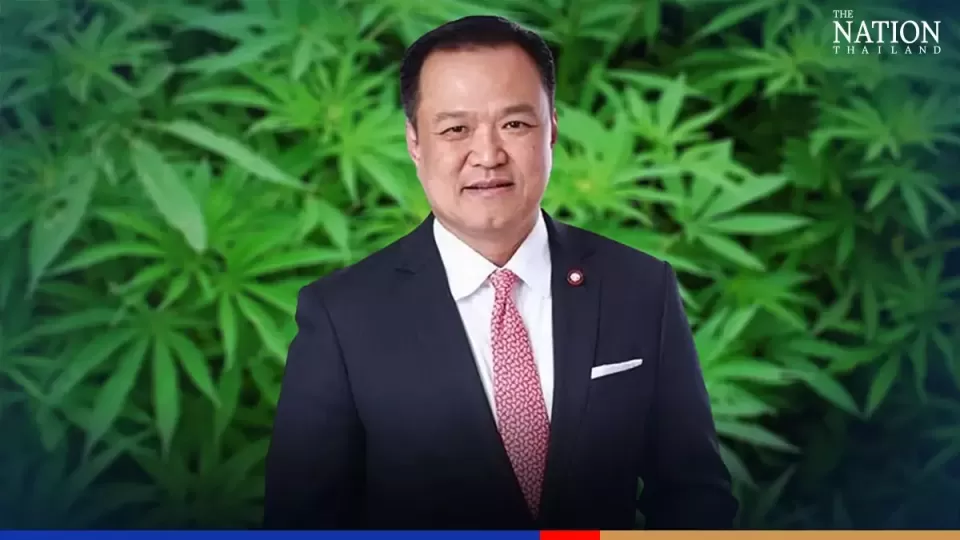
BANGKOK – Malaysia is considering legalising cannabis and kratom for medical use, Public Health Minister Anutin Charnvirakul said on Monday.

He made the remark after a discussion with Malaysia’s ambassador to Thailand, Jojie Samuel, on the issue at the Public Health Ministry in Nonthaburi province.

The discussion is considered a preparation to welcome Malaysia’s health minister who will participate in the Asia-Pacific Economic Cooperation meeting in Thailand of ministers responsible for health.

Anutin said Thailand and Malaysia have studied and exchanged knowledge about the two herbs so far. He added that Malaysia is studying its laws to legalise cannabis.

“If Malaysia announces cannabis legalisation for medical use, it will be the second Asian country to remove cannabis from the narcotics list,” he said.

Read more at asianews.network

States With Legalized Cannabis Have Fewer Synthetic Cannabinoid Poisonings

Each year, U.S. Poison Control Centers receive hundreds of calls related to synthetic cannabinoid poisonings. 

These drugs — with names like Spice, K2, and Mr. Nice Guy — can cause severeTrusted Source, life threatening health effects such as agitation, confusion, psychosis, and seizures.

Overall, synthetic cannabinoid exposures have dropped in recent years, Poison Control data shows — falling from a high of 7,792 in 2015 to 984 in 2021. That number continued to decline in 2022, with 313 cannabinoid exposures as of July 31.

Some researchers have attributed this decline, at least among adolescents, to increased federal regulation of these compounds, which has reduced their availability.

But a new analysis, published online on August 8 in Clinical Toxicology, suggests that the drop in synthetic cannabinoid poisonings may be due, in part, to the legalization of recreational cannabis in various states, which provides the option for many people to legally buy safer cannabis products, depending on where they live.

Read more at Healthline

First pot, then magic mushrooms? Decriminalization is spreading

As cannabis legalization spreads across the globe, another mind-altering drug is trying to follow in its tracks: magic mushrooms.

Denver voted in May to decriminalize the fungus that contains psilocybin, a psychedelic compound popularized by ’60s counterculture. Oakland, California followed Denver’s lead a few weeks later and Oregon is trying to get a similar measure on the ballot for 2020.

Advocates say mushrooms have untapped medical potential that could be as big as cannabis, particularly for treating depression and addiction. The U.S. Food and Drug Administration granted “breakthrough therapy” status in October to Compass Pathways Ltd. to test the drug for treatment-resistant depression, expediting the development process. The London-based company says it’s now proceeding with a large-scale clinical trial in Europe and North America.

Read more at BNN Bloomberg