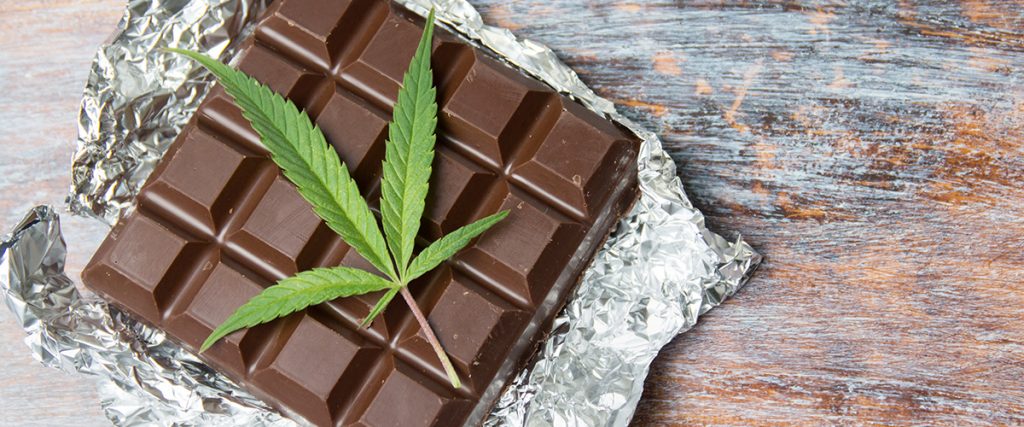
Cannabis will be a major food trend in 2018. Here’s why.

Spoiler alert for those attending the Winter Fancy Food Show today through Tuesday in San Francisco: There are no cannabis edibles on the trade-show floor. Cannabis cuisine is not the subject of any plenary panel.

In November, the Fancy Food Show’s parent, the Specialty Food Association (SPA), ranked cannabis number eight of the top-10 food trends to watch in 2018.

“As more states legalize recreational marijuana, the varieties of pot-enhanced food and beverage will increase,” the SPA’s Trendspotter Panel wrote last November. “Look out for continued interest and acceptance in a host of snacks, treats and beverages with a little something extra.”

Nielsen is vice president of trends and marketing at CCD Innovation, an Emeryville food, and beverage development agency. She’s attending the Fancy Food Show today through Tuesday at Moscone Center. As a member of the Specialty Food Association’s Trendspotters — an expert panel comprised of marketers, journalists, and other tastemakers — she’ll roam the Fancy Food Show trade-show floor looking for new and innovative products. There are no cannabis edibles at this year’s Fancy Food Show, but the SPA’s Trendspotters won’t have to go far to find them.

There are five retail cannabis stores reachable via short walk, taxi or rideshare. And many of the edibles on sale in these stores look like they might have sneaked over from the show.

Read more at GreenState

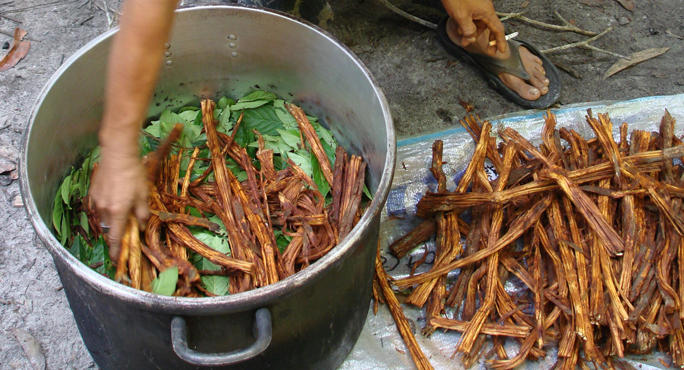
Ayahuasca: The Hallucinogen That Blows Your Mind

The first thing you should know about drinking ayahuasca is that it’s going to make you puke your brains out. That’s usually the first thing that anyone who has ever taken it will tell you. But once you get past that, they say, you will experience a high so deep and emotionally enlightening that your outlook on the universe will change forever.

Ayahuasca comes from two words from the Quechua, a South American tribe based primarily in the Andes: “Aya,” meaning spirit, and “Huasca,” meaning vine or rope. The Quechua call it the “vine of the soul” or “creeping spirits of the dead.” When you drink ayahuasca tea, you see the kind of powerful hallucinations akin to what one would see on LSD. Those who have taken ayahuasca report experiencing out-of-body experiences, “spiritual flights,” and powerful hallucinations. In some cases, they swear they’ve even experienced telepathy.

While some researchers have suggested that ayahuasca could potentially be used to treat those struggling with PTSD or substance abuse, there’s not much evidence to support its therapeutic benefits. In fact, ayahuasca has also been shown to have adverse effects for those struggling with mental health issues, particularly if they’re undiagnosed, as it could potentially trigger psychosis. Following the death of 24-year-old New Zealand student Matthew Dawson-Clarke last year, ayahuasca retreats have also garnered their fair share of negative media attention.

Read more at Mens Health

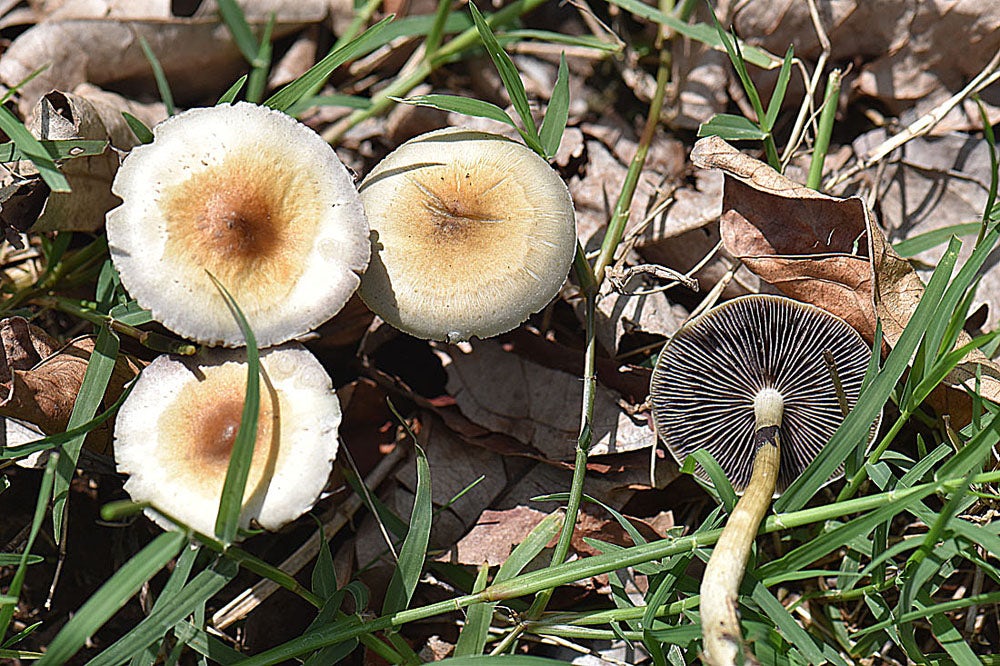
Magic Mushrooms: Treating Depression Without Dulling Emotions

Treating depression can be challenging not only because some depression types are treatment-resistant, but also because existing therapies have a range of unwanted side effects.

A new study — which was carried out by researchers at Imperial College London (ICL) in the United Kingdom — suggests that magic mushrooms could treat depression while avoiding these side effects.

Participants felt ’emotionally reconnected’

In the first study, published in the journal Neuropharmacology, 20 people diagnosed with moderate to severe depression that conventional treatment had not alleviated participated in two dosing sessions with the magic mushroom compound.

“Based on the present results, we propose that psilocybin with psychological support is a treatment approach that potentially revives emotional responsiveness in depression, enabling patients to reconnect with their emotions.”

‘Mystical experience’ improves efficacy

The second paper, published in the journal Frontiers in Pharmacology, examined whether or not the quality of the psychedelic experience was linked with the success of the treatment.

The study revealed that the more strongly the participants felt this experience, the better was their mental health in the long-term.

Depressive symptoms subsided, and the mental benefits lasted for weeks after the treatment of participants who reported a strong mystical experience.

Read more at Medical News Today

The Plant Used To Make Cocaine Could Become The Next Superfood

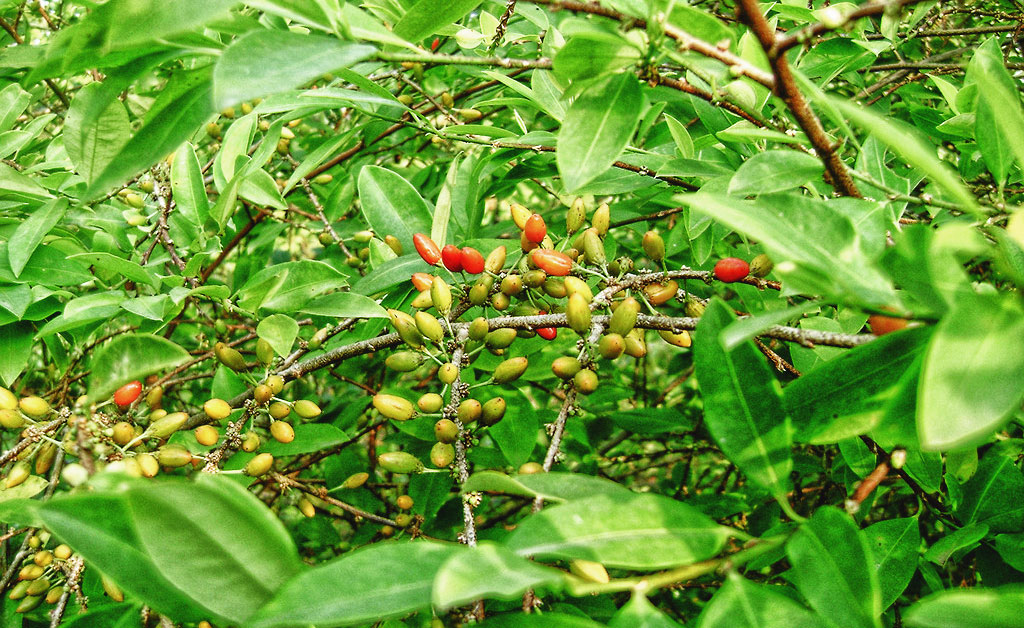
Henry Ruiz rubs the small green leaves between the fingers of his right hand – and then looks out across the valley where one of the world’s most reviled crops is ruffled by a warm breeze.

“We have been caught up in the mistaken belief that we are part of the cocaine manufacture process when we are not,” he says. “We have our own natural plant, but the man has found another use for it and we have lost out as a result.”

The Colombian government’s determination to obliterate coca is not in doubt, particularly in the wake of US pressure to address the recent boom in cocaine production. Despite efforts to tackle the problem, there was an increase of 52 percent in coca growth from 2015 to 2016.

“Coca is very rich in nutrients,” says Ruiz. “It’s important to see how we can use it for other uses than cocaine. We can prepare organic liquid fertilizers, insecticides, and we can use it to make flour. We know the magical and beneficial properties of coca, and it’s about applying this to your family and communities. We are guardians of the coca leaf.”

Research by Harvard University scientists into the coca leaf’s beneficial properties, suggests that compared to 50 other Latin American vegetables, coca leaves are higher in protein, fiber, calcium, iron, vitamin A, and riboflavin. In the summer of 2016, the Colombian government issued, for the first time ever, a permit in Cauca that allows the purchase, transport, and stocking of coca leaves, with the objective of industrializing the product.

Read more at The Essential Daily Briefing

Marijuana Sales Begin In San Francisco

Marijuana dispensaries in San Francisco have begun selling recreational pot for the first time, joining many other cities in California.

Six dispensaries confirmed Saturday that they’re selling recreational marijuana. They all received their state licenses to sell on Friday.

One of them, Apothecarium, held a ribbon-cutting ceremony with local politicians and even offered a 20% discount for people who brought their mothers.

Sales began nearly a week ago in other parts of the state including West Hollywood, Santa Ana, San Diego and Berkeley.

Los Angeles Times

Cannabis Is Now Legal in California

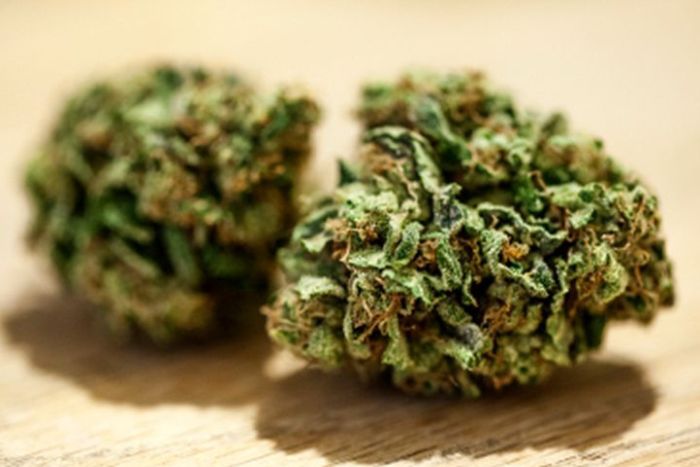
California has now joined a number of states changing their approach to marijuana, which marks exciting times for national drug reform. If you’re over the age of 21, it is now legal to grow up to six plants and possess up to an ounce (!) on your person.

While the state’s residents have already been celebrating the news, tracking down a spot to purchase your recreational weed may prove a little difficult in these early days.

However, this may not indicate the end of drug dealers pedaling marijuana, as taxes are expected to raise the retail cost of the pot up to 70 percent higher than the street price. Nonetheless, It’s a very, very happy new year for Californians.

Papermag

Mike Tyson Is Building a 40-Acre California Weed Resort

Mike Tyson has been a boxer, an actor, a monologuist, and an animated detective, but now it looks like the former heavyweight champion wants to take a bite out of California’s new legal weed game.

According to the Blast, Tyson and two business partners—Robert Hickman and Jay Strommen—have plans to build a massive “cannabis resort” on 40 acres of desert land in California City. The trio broke ground on the property back in December and are getting things rolling now that California has officially legalized marijuana.

It seems like the rest of the Mojave Desert land, though, will earn Tyson Ranch its “resort” title. The Beast reports that there will be “premium ‘glamping’ campgrounds and cabins” for people to stay in, an amphitheater for live music, and a factory for marijuana edibles.

The resort’s land isn’t far from Edwards Air Force Base, and the Blast reports that the ranch will be staffed mostly by veterans and will be committed to helping those in the armed forces, as CBD, a marijuana compound that won’t get you high, has been used to treat PTSD.

Read more at Vice

State’s First Opium Poppy Crop Harvest Under Way In Riverina

Across six top-secret locations in the Riverina and Central West, a historic harvest is underway.

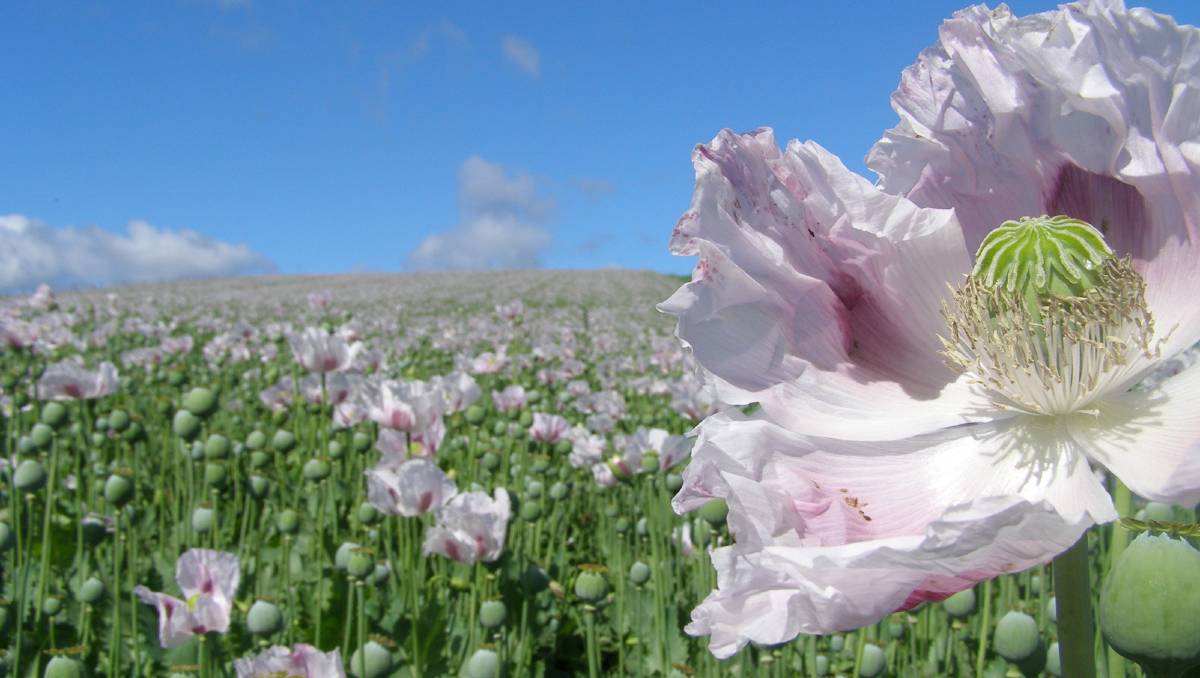
Over 400 hectares of the state’s first-ever opium poppy crop is being stripped and chemically analyzed. Cootamundra mixed-farmer David Forsyth sowed 24 hectares of the plant in June.

“The alkaloid content was 3.6 percent, we thought we might do four, but it was a terrible season; cold and after sowing it didn’t rain for four months.”

Poppy crops grown on fertile soils by the best growers in Tasmania typically yield three tonnes per hectare and assay more than 3 percent.

The venture could return an estimated $100 million to NSW in the next decade. However, the global oversupply of opiate material put great pressure on Tasmanian growers last year, and the lackluster performance of the crop in Victoria, who legalized it in 2014, has reportedly seen a number of farmers ditching it altogether. But Mr. Forsyth still believes it has potential.

“We’re increasing and will do 38 hectares next year, I’ve learned a lot and couldn’t have done it without the help of my wife Janelle, my son Brendan and his wife Ruby,” he said.

The Border Mail

These States Are Likely To Legalize Marijuana In 2018

After four of five statewide marijuana legalization ballot initiatives were approved by voters in 2016, no additional states ended cannabis prohibition in 2017 (though New Hampshire did decriminalize possession of the drug and West Virginia allowed its medical use).

If marijuana policy advocates’ plans come to fruition in the new year, 2018 will bring about the first legalization laws passed by lawmakers; to date, all eight states to end cannabis prohibition did it through voter initiatives.

Here’s a look at the states that are most likely to enact marijuana reforms in 2018:

• Vermont
• New Jersey
• Michigan
• Oklahoma
• Utah
• Missouri
• Virginia

While Vermont and New Jersey are seen as most likely to pass marijuana legalization bills through their legislatures in 2018, advocates are also working to build momentum for bills to end prohibition in a number of other states next year. Among those are Connecticut, Delaware, Illinois and Rhode Island, any or all of which could potentially send legalization legislation to their governor’s desks in the coming months.

Forbes

Province of Ontario Demands To Halt Weed Store Placement

During a special meeting of council on Dec. 15 ahead of the presentation of the city’s 2018 operating budget, the mayor delivered a motion that requests the province back off on naming certain cities as potential homes for these LCBO-like, weed selling stores before the municipalities themselves have had the opportunity to consult with their residents and figure out proper zoning for these stores.

As the province has previously shared, the sale of the drug will be done through a storage system similar to and managed by, the LCBO. As of now, the province’s booze distributor is in the process of meeting with municipalities that have been identified to be future homes for these cannabis stores.

According to Mayor Henry, he met with officials from the LCBO, Municipal Affairs, and the Attorney General’s Office ahead of the regional council meeting on Dec. 13 to discuss the potential location, along with other questions the city has raised pertaining to the issue of legalization.

The Oshawa mayor has also previously raised concerns about the impacts on people’s health and wellbeing who live in apartments with shared ventilation systems, or how people smoking weed in their backyards will impact those around them who may choose not to smoke.

“There are far too many unanswered questions,” said Councillor Nester Pidwerbecki. “We need a lot of these questions that are asked in this motion to be answered before we can move forward.”

Read the full article at The Oshawa Express

Are Magic Mushrooms Next On The List Of Legalized Drugs?

Citing the benefits of widespread marijuana reform throughout the United States, a handful of activists are now mounting a campaign to push for the legalization of psychedelic mushrooms.

As reported by The Guardian:

Kevin Saunders, a mayoral candidate for the city of Marina, just south of the San Francisco Bay, has filed a proposal that would exempt adults over the age of 21 from any penalties over possessing, growing, selling or transporting psychedelic psilocybin mushrooms.

If he can get 365,880 voter signatures by the end of April 2018, the California Psilocybin Legalization Initiative will be placed on the statewide ballot.

A profound magic mushroom experience helped Saunders get over a “debilitating five-year heroin addiction” in 2003 when he was 32. “I got to the root of why I made a conscious decision to become a heroin addict; I’ve been clean almost 15 years.”

The study has since been verified by sufferers all over the country who tell their stories on Web forums. The Atlantic reports that one contributor wrote that he has been taking a preventative dose every 60 days for more than four years now, and he’s spent “the vast majority of the last four years completely pain-free.”

Read more at PersonalLiberty

Illegal Opium Trade Thrives Across Arunachal Pradesh

Guwahati: The flourishing illegal opium cultivation in eastern Arunachal Pradesh has become a major area of concern for security agencies, with the state government miserably failing to tackle this menace. The drug mafia, with some help from Naga rebels, continues to call the shots in the frontier state, where people are reluctant to give up the practice of poppy farming in absence of any alternative for their economic survival.

It is significant than that Arunachal Pradesh tops the list of states with illegal poppy cultivation.

The Narcotics Control Bureau (NCB) in its last report of 2015 claims to have destroyed poppy fields spread over 399 acres in eastern Arunachal Pradesh.

But as per NGOs, the state still has around 10,000 hectares of opium fields and the annual yield of opium is around 100 tonnes, an average of 10 kg a hectare.

For NCB, opium cultivation in eastern Arunachal Pradesh has become an eyesore. Despite the regular destruction of poppy fields by the authorities, a large section of people is still not ready to give up the practice. This is a huge challenge in the fight against drug smuggling.

According to the bureau officials, apart from Lohit and Anjaw districts, which share borders with Myanmar and China, there are reports of poppy cultivation from Changlang, Longding, Upper Siang and Tirap districts too.

Read more at The Asian Age

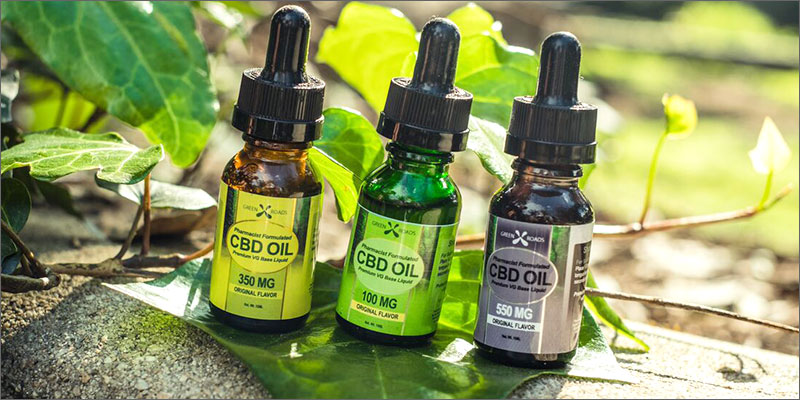
Use of CBD Oil Has Doubled in the UK in One Year

A trade organization in the United Kingdom that oversees the rapidly expanding cannabidiol (CBD) and hemp market, has published a study that shows the use of CBD oil in the U.K. has doubled in a single year.

The Cannabis Trades Association U.K.’s (CTAUK) figures reveal 250,000 people are now using CBD oil to treat their health conditions. CTAUK added that the number of users is up from 125,000 last year, with approximately 1,000 new users each month.

In October 2016, the U.K. government recognized the medicinal value of CBD, stating the cannabinoid has “restoring, correcting, or modifying” properties. This admission has allowed suppliers to sell CBD by obtaining a medicinal license, which is a lengthy and strict process. Many retailers have been able to circumvent the process by selling CBD products as food supplements.

Most recently, the public debate around medical cannabis in the U.K. has seen a lot of attention, with a bill to legalize going through its first parliamentary reading Oct. 10 unopposed. That same day, a protest incited by a member of parliament and cannabis activist Paul Flynn took place in front of the Parliament building in London.

More of this news at Marijuana.com

First Big Ayahuasca Study Shows Promising Early Results

Ayahuasca is a potent psychedelic that’s recently come into vogue among hipsters backpacking around South America.

The Nature journal Scientific Reports has just published a new piece of research on ayahuasca, making it the largest and most authoritative scientific study on the matter to date. The findings suggest this Amazonian “Shaman’s Brew” might be linked to improved everyday well-being, and potentially offer a treatment for alcoholism and depression.

Researchers from University College London (UCL) and the University of Exeter in the UK sifted through the Global Drug Survey data of over 96,000 people worldwide and found 527 ayahuasca users. This group reported higher general well-being, along with less problematic alcohol and drug use, over the previous 12 months than other respondents in the survey.

“Recent research has demonstrated ayahuasca’s potential as a psychiatric medicine, and our current study provides further evidence that it may be a safe and promising treatment.”

Read more at IFL Science

Police: Zombie Drug’ Flakka May Have Hit Winnipeg Streets

A spokesperson for the Winnipeg Police Service says officers are “very aware” of the drug and have made what could be their first seizure of the synthetic stimulant. Testing is pending.

Flakka, which resembles finely ground glass, is chemically similar to “bath salts,” a term used to describe a number of recreational designer drugs (the name derives from instances in which the drugs were sold disguised as true bath salts).

It is most commonly snorted or injected, according to Dr. Marc Myer, medical director of the Hazelden Betty Ford Foundation in Minnesota.

“It gives an effect that includes euphoria and stimulation that usually lasts for one to two hours,” Myer said. “It can also cause undue side effects like psychosis, homicidal behavior, suicidal behavior, and that makes it difficult to treat these patients.”

Flakka emerged in the southern United States in 2013 and has been making its way into more mainstream drug use, Myer says. Florida has seen a significant surge in the drug’s popularity in recent years.

Flakka emerged in the southern United States in 2013 and has been making its way into more mainstream drug use, Myer says. Florida has seen a significant surge in the drug’s popularity in recent years.

Read more on CBC News

Is Marijuana In Candy A Real Concern This Halloween?

Before you send your kids out for Halloween, warn them about the dangers they could encounter. Wear reflective clothing, carry a flashlight, look both ways before crossing the street and it is never a good idea to go into someone’s house.

The other concern this year is to be on the lookout for people slipping kids marijuana-laced candy. It is always a good idea to remind your kids to have an adult inspect all candy before eating it.

“You probably can’t tell the difference between medicated gummy bears and the regular ones if you put them side by side,” said Encanto Greens owner Bill Brothers.

All the edibles sold at his store are manufactured someone else and sold locally. The packaging does list marijuana on it but it is often small and the box or wrapping looks like a candy wrapper.

“I think there is an opportunity to improve the labeling of medical marijuana, especially in edibles,” said Brothers.

But is there a significant physical danger if your child were to ingest marijuana found in cookies or gummy bears?

Experts warn parents and kids to never accept treats that don’t come in the original wrapping and always wait to get home and inspect the candy or sweets before eating it.

Full article at 10 News

How Coca Leaf Became Colombia’s New Superfood

No other plant in human history has been as demonized as coca.

In 1961, it was placed on the Schedule I list at the United Nations Single Convention on Narcotic Drugs, which stated that “The Parties shall so far as possible enforce the uprooting of all coca bushes which grow wild. They shall destroy the coca bushes if illegally cultivated.” The plant has been public enemy number one in the worldwide War on Drugs for decades.

But when the World Health Organization announced last year that the Monsanto-made pesticide, glyphosate, was actually highly carcinogenic, Colombia’s days of kissing America’s ass came to a screeching halt. In an abrupt turnaround, Colombia’s president Juan Manuel Santos is now challenging the War on Drugs in its entirety; this a reflection of the national psyche of a country that has borne the brunt of failed policies for far too long and is ready for real change.

“We are trying to promote the proper use of this plant, as it has been perverted for centuries, and show how it is actually used as indigenous tradition,” says Ximena Robayo, who runs the restaurant/café/health food store in the heart of the city’s bohemian La Candelaria district.

Besides chewing the leaves of coca, or brewing them into a tea, a wide variety of cooked and baked goods and dishes can be made with coca by grinding the leaves into a flour, called harina. This harina can also be stirred into juices, blended in smoothies, and used to make green drinks of all types.

Read the full article at Q Costa Rica

Maine Lawmakers To Debate Sale Of Marijuana

AUGUSTA (WGME) – Maine voters approved recreational marijuana nearly a year ago, but there is still no market set up in the state.

The marijuana debate has yet to happen in the house or senate, but what we do know is Governor LePage and House Republicans seem to be ready to delay the sale of recreational marijuana in Maine.

Portland Senator Mark Dion says the marijuana legalization implementation committee he serves on worked for eight months on a bill that allows for the safe, regulated, taxed and legal sale of marijuana in Maine, which Maine voters approved.

But House Republican Leader Ken Fredette says the bill passed out of committee is far from ready. That’s why he is presenting a governor’s bill to delay the regulated sale of marijuana in Maine.

“There needs to be rulemaking done as part of passing this bill,” Fredette said. “And that rulemaking, in my opinion, is not going to be done anywhere near Feb. 1, 2018.”

The Republican chair of the Marijuana Legalization Committee says there is no need for a delay.

Read more at WGME

Warn Experts: E-Cigarettes Being Adapted To Smoke Illegal Drugs!

Electronic cigarettes are being used to vape illegal substances like cannabis, crack cocaine, ecstasy, and heroin as part of a disturbing new drugs culture.

A study by public health experts has revealed alarming numbers of e-cigarette users are modifying their vaping devices so they can inhale vapor from banned drugs.

The research found 39 percent of people with electronic vaping devices admit to using them to take illegal drugs or former ‘legal highs’ such as mephedrone.

The researchers who led the study warned too little is known about the risks of taking drugs in this way and that it could easily lead to overdoses among other problems.

Read the full article in Daily Mail UK

Los Angeles County Issues Its First Cannabis License

Yvonne Delarosa Green was awarded the first cannabis business license for Los Angeles County for her dispensary 99 High Tide Collective in Malibu. The city and county of Los Angeles are expected to become the capital of cannabis once the state of California’s regulated adult-use market is up and running.

There is a great deal of confusion over the cannabis licenses in the city versus the county. Los Angeles, the city, hasn’t issued any licenses, and it is rumored that existing dispensaries will have to close until they receive the new 2018 license under the new regulations.

Keith Knox, chief deputy treasurer and tax collector for the county, confirmed that Los Angeles County administers some functions like business permits for three cities and Malibu is one of those three. However, Los Angeles County is banning marijuana for now, which makes the licensing in Malibu even more unique.

The mayor’s office in Malibu said in a statement:

“The City of Malibu’s Municipal Code allows for two medical marijuana dispensaries to operate within City limits. Two medical marijuana dispensaries have been in operation in the City for several years. Los Angeles County issues business licenses on behalf of the City of Malibu, and approved a business license for one of the two existing medical marijuana dispensaries today.”

Read the full article at Forbes