Kratom’s Controversy: Bans Spread, but Users Cite Life-Changing Benefits

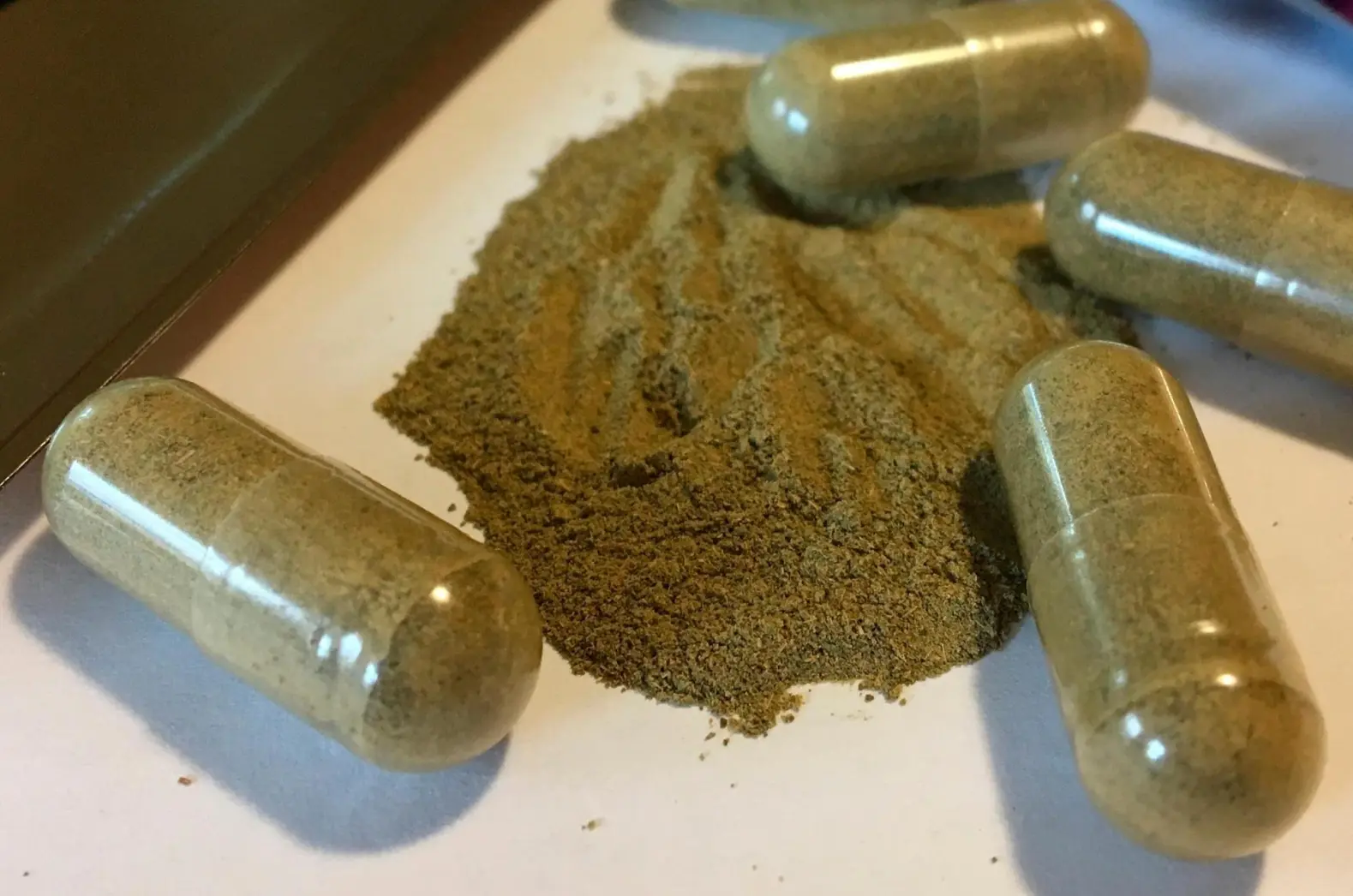
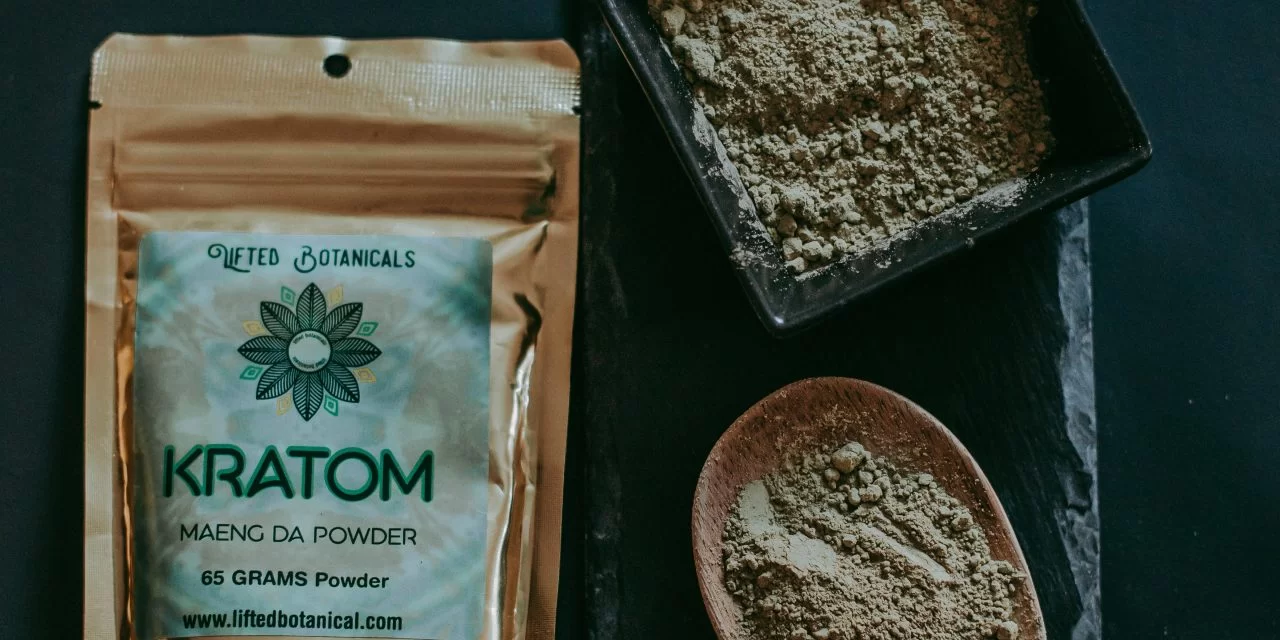
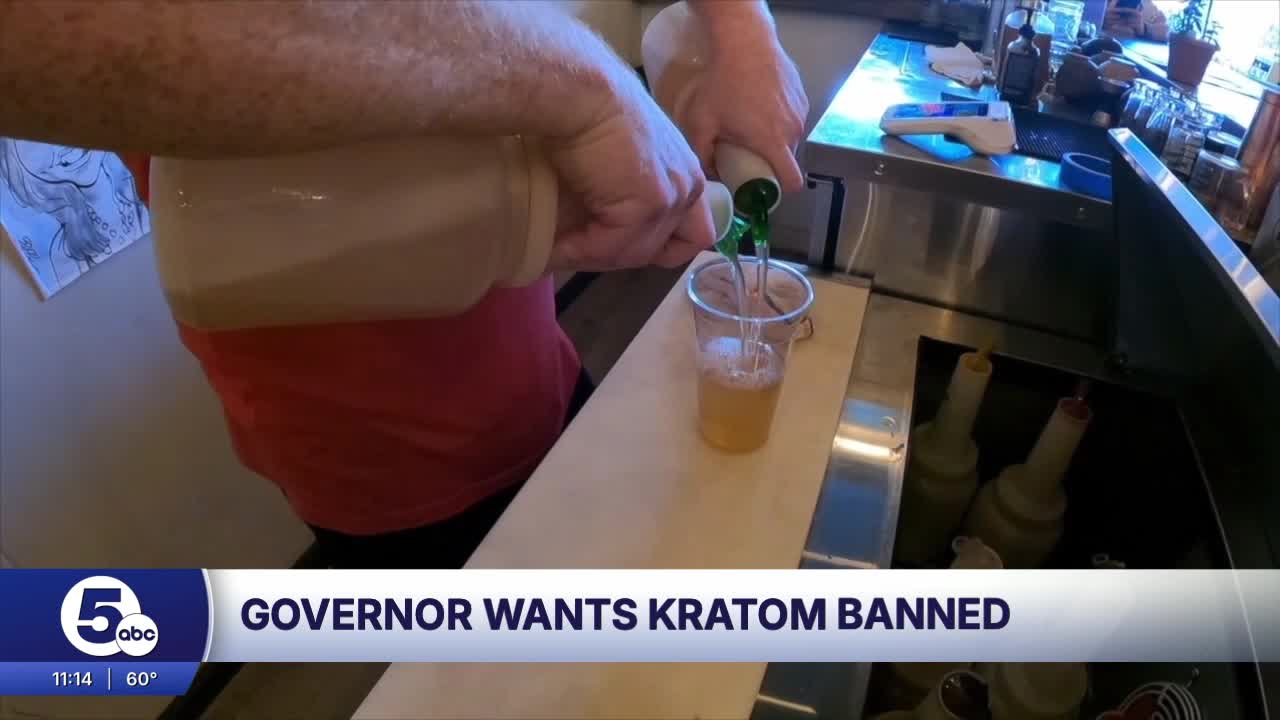
Kratom, an herbal supplement derived from a Southeast Asian tree, is at the center of a growing debate as cities and states across the U.S. move to ban its sale. Recently, Belchertown, Massachusetts, joined a wave of communities restricting kratom, citing concerns over its unregulated status and potential risks to minors. The ban, finalized in early 2024, followed similar actions in Lowell, Dracut, and Chelmsford, with several states enacting statewide prohibitions.

Despite these crackdowns, advocates highlight kratom’s positives. The American Kratom Association describes it as providing an “energy boost like a cup of coffee” and, at higher doses, helping with anxiety. For some, like Lori Romney—who suffers from severe facial pain—kratom has been transformative, allowing her to stop daily opioid prescriptions and find relief where other treatments failed.

For more details, see the original article at WWLP.com

FDA Targets Synthetic Kratom Products in Major Crackdown

The American Kratom Association (AKA) has publicly praised the U.S. Food and Drug Administration (FDA) for its recent crackdown on vendors selling products containing dangerous, chemically manipulated compounds such as 7-hydroxymitragynine (7-OH), pseudoindoxyl, and “M”. These substances, often marketed as kratom, are synthetic or highly concentrated versions that appear only in trace amounts in natural kratom and pose significant risks to consumers.

The FDA’s enforcement action included issuing Warning Letters to companies making illegal therapeutic claims and selling unapproved formulations. The agency made clear that such products—often found in tablets, drink mixes, and shots—are considered unapproved drugs and adulterated foods under federal law.

Mac Haddow, senior fellow at the AKA, emphasized that these products mislead consumers and threaten public safety, calling for continued aggressive enforcement. The AKA continues to advocate for stricter state-level regulations to protect consumers and maintain access to safe, natural kratom.

Read the full release at Reuters.

Calls Grow for Missouri to Implement Kratom Regulations to Safeguard Patients

Missourians living with chronic pain are increasingly turning to kratom and its active ingredient, 7-OH, as an alternative to traditional painkillers. Brandi Lane, who endured two decades of persistent pain, credits kratom with restoring her quality of life after years of ineffective treatments and frequent emergency room visits.

Despite its benefits, kratom remains unregulated in Missouri, with no statewide requirements for safety testing, labeling, or age restrictions. Lane warns that this regulatory gap leaves consumers vulnerable and risks a potential ban if a safety incident occurs.

A recent bipartisan effort to introduce basic safety measures—such as ingredient testing and dosage guidelines—failed to pass in the state legislature. Lane and others advocate for proactive, science-driven regulations to ensure products are safe and accessible for those in need.

Without action, Lane fears many could lose access to a vital tool for managing pain. For more details, read the original opinion piece at STLToday.

New Initiative Seeks to Preserve Natural Kratom and Crack Down on Synthetic Alternatives

A fresh nationwide effort spearheaded by the Kratom Research Institute (KRI) is calling on policymakers to safeguard access to natural kratom while addressing the risks posed by synthetic substitutes like 7-hydroxymitragynine (7OH). The campaign highlights concerns over synthetic 7OH products, which are being marketed as kratom in colorful tablets—often sold without proper regulation or age verification.

KRI’s executive director, Ryan Niddel, emphasized the group’s stance: “We’re not advocating for a kratom ban. Our goal is to ensure synthetic 7OH is regulated through established drug approval channels to protect public health.” Internal research from KRI reveals that the tiny amount of 7OH naturally found in kratom leaves cannot account for the quantities being sold, suggesting most of these products are artificially produced.

The organization is also collecting stories from consumers and healthcare professionals to better understand the impact of both natural and synthetic kratom. For the original article, visit The Herald Journal here.

New York Set to Strengthen Kratom Regulations for Consumer Safety

New York State is poised to introduce stricter regulations on kratom, a herbal supplement commonly used for pain relief and anxiety, as new legislation awaits the governor’s approval. The proposed laws, which have already cleared both legislative chambers, aim to address growing concerns about kratom’s safety, especially following the loss of Nick Scribner, whose mother has become a vocal advocate for reform.

The legislation, championed by Assembly members Mary Beth Walsh and Phil Steck, would require manufacturers to display warning labels on kratom products and prohibit them from being marketed as “all-natural.” The new rules would also restrict sales to individuals aged 21 and over.

Assemblyman Steck emphasized the importance of clear labeling, citing the FDA’s warnings about kratom’s risks. Meanwhile, advocacy groups like the Holistic Alternative Recovery Trust have applauded New York’s proactive approach, calling it a model for consumer protection and harm reduction. Read more at CBS6 Albany.

NC Senate Moves to Restrict Kratom, Sparking Debate

North Carolina lawmakers are advancing legislation that would make kratom a controlled substance, aligning it with the state’s drug laws. The Senate bill, scheduled for a vote this week, aims to curb youth access to hemp, THC, and kratom products, citing concerns about their unregulated sale and potential health risks to minors. While the House has passed a version that would only ban synthetic kratom and regulate natural forms, the Senate proposal could treat all kratom similarly to marijuana, drawing criticism from industry advocates. Walker Gallman of the Global Kratom Coalition urged lawmakers to distinguish between natural and synthetic kratom, warning that a broad ban could deny access to those seeking natural relief. The debate highlights ongoing uncertainty over how best to regulate emerging substances. Read more at WUNC.

Rhode Island Bill Targets Synthetic Kratom, Not Natural Plant

Rhode Island’s House Bill 5565 seeks to regulate kratom by banning synthetic and semi-synthetic analogs, while allowing the sale of natural kratom products. Lora Romney, president of the International Plant & Herbal Alliance, argues in a recent Providence Journal opinion piece that the real danger lies in adulterated products containing high concentrations of 7-hydroxymitragynine (7-OH), which are engineered to spike psychoactive effects and misrepresent kratom’s safety profile.

Romney emphasizes that natural kratom, supported by extensive research and millions in federal funding, is not dangerously addictive and is well-tolerated at various doses. She points out that the FDA has not declared kratom dangerous, and that many adverse events blamed on kratom are actually linked to synthetic analogs. House Bill 5565 aims to ensure only safe, properly labeled, and age-restricted kratom products remain available to Rhode Islanders.

Colorado Enacts Daniel Bregger Act to Strengthen Kratom Safety

Colorado has passed the Daniel Bregger Act, a major update to its Kratom Consumer Protection Act, designed to enhance consumer safety and restrict dangerous high-potency kratom products. Signed by Governor Jared Polis, the law mandates clear labeling, bans synthetic and semi-synthetic kratom alkaloids, and limits the presence of 7-hydroxymitragynine to 2% in products. It also prohibits sales to individuals under 21, bans kratom vaporizers, and restricts marketing aimed at children.

Named in memory of Dan Bregger, who died in 2021 after consuming a mislabeled, highly concentrated kratom extract, the act honors his legacy and the advocacy of his father, David Bregger. The Global Kratom Coalition praised the legislation as a model for evidence-based regulation and consumer protection.

Rhode Island House Advances Kratom Legalization Bill Amid Budget Pressures

The Rhode Island House of Representatives has passed a revised bill to legalize and regulate kratom, a psychoactive herb derived from an Indonesian tree, as the state seeks new revenue sources during a budget crunch. The measure, known as the Rhode Island Kratom Act (H5566A), was approved on May 29 by a 40-23 vote and now awaits Senate consideration.

Unlike last year’s version—vetoed by Governor Dan McKee—the new bill includes a 15% tax on kratom products and requires retailers to obtain licenses from the Department of Health. While the Rhode Island Medical Society remains opposed, key state agencies have adopted a neutral stance, reflecting a broader compromise. Supporters argue regulation will curb black market sales and ensure product safety, though medical concerns about kratom’s risks persist. The bill’s fate now rests with the Senate and, ultimately, the governor’s review. For more details, see the original article in the Providence Journal.

Colorado’s Kratom Regulation Bill Awaits Governor’s Decision

Colorado lawmakers have passed a bill that would impose stricter regulations on kratom, an herbal supplement gaining popularity across the U.S. The legislation, known as Senate Bill 72, is named after Daniel Bregger, a Denver resident who died in 2021 after consuming kratom and diphenhydramine. If signed into law, the bill would require enhanced labeling, restrict sales to individuals under 21, and set limits on the potent compound 7-hydroxymitragynine (7-OH) found in kratom products.

Supporters say these measures will help prevent further tragedies and inform consumers, while industry groups argue the bill’s limits are unclear and could create confusion in the market. The bill’s unusual path to passage included a rare “super motion” to fast-track it through the legislature. Governor Jared Polis has until June 6 to decide whether to sign or veto the measure. For more details, see the full report on Colorado’s kratom regulation efforts in The Denver Post.

Nebraska Enacts Comprehensive Kratom Regulations, Setting a New Benchmark for Consumer Safety

Nebraska lawmakers have approved the Kratom Consumer Protection Act (LB 230), introducing sweeping new standards for the sale and marketing of kratom products across the state. Signed into law after strong advocacy from the Global Kratom Coalition and other stakeholders, the legislation aims to ensure the safety of consumers while preserving access to natural kratom.

Key measures in the new law include restricting kratom sales to those aged 21 and over, banning advertising targeted at minors, and mandating clear warnings for pregnant or breastfeeding women. Notably, the Act imposes a strict cap on the amount of 7-hydroxymitragynine—a powerful alkaloid—permitted in kratom products, directly addressing concerns over synthetic versions that have emerged nationwide.

Supporters praise Nebraska’s approach as a balanced model that protects public health without banning kratom outright. The Global Kratom Coalition urges other states to consider similar, science-based regulations.
Read the full story here.

South Carolina Enacts Kratom Consumer Protection Act

South Carolina has joined a growing list of states regulating kratom, with the Governor signing the Kratom Consumer Protection Act into law on May 13, 2025. This legislation establishes important safeguards, including prohibiting the sale of kratom to anyone under 21 and requiring manufacturers to provide clear, accurate labeling on all kratom products. The new law aims to enhance consumer safety and transparency in the marketplace. South Carolina’s decision is especially significant given past efforts to ban or criminalize kratom in the state. Supporters believe this move represents meaningful progress for responsible kratom use and consumer protection. For further information, see the official announcement from the American Kratom Association here.

Marion and Herrin Restrict Kratom Sales Following Council Decisions

Two communities in Williamson County, Illinois, have recently updated their local ordinances to restrict the sale and delivery of kratom and its derivatives. The City of Marion and the City of Herrin both approved new measures during city council meetings on May 12, affecting retailers and consumers who purchase kratom products at gas stations and stores.

Kratom, a plant-based product often sold in convenience outlets, has been the subject of ongoing regulatory discussions across the country. The new ordinances reflect a growing trend among local governments to address the sale of kratom at the community level.

For more details on these developments, including official statements from the cities, visit the original report at WSIL-TV’s website.

Colorado Advances Kratom Product Registration Bill

Colorado lawmakers are moving forward with Senate Bill 72, which would require kratom manufacturers to register their products annually with the Department of Revenue. The bill sets out clear standards for labeling, packaging, and product composition, aiming to promote transparency and consumer safety. Manufacturers must pay annual fees, provide proof of federal registration, and comply with state requirements.

Penalties for non-compliance can include fines and, for repeat violations, temporary bans from the Colorado market. The legislation also allows local governments to adopt stricter rules if they choose. Supporters say these measures will help ensure the integrity of kratom products as the industry grows in Colorado.

Louisiana Senate Advances Statewide Kratom Ban Bill

A bill proposing a statewide ban on kratom is moving to the full Louisiana Senate for consideration after passing a key committee this week. Kratom, a herbal supplement commonly sold as a dietary aid, mood booster, and pain reliever, is already banned in some parishes but remains widely available in shops and gas stations across the state.

Supporters of the ban, including many law enforcement officials, argue that kratom can be addictive and poses public safety concerns. However, others view it as a safer alternative to prescription painkillers, with some advocates highlighting its role in helping individuals avoid opioids.

If the legislation passes, possession or distribution of kratom could become a criminal offense, with penalties including fines and possible jail time. The proposed law could take effect as early as August. For more details, see the original report at WWL-TV.

Clinton Township Board Debates Kratom Regulation at Special Meeting

The Clinton Township Board of Trustees held a special meeting on April 21 to discuss potential regulation of kratom, an herbal substance derived from Southeast Asia that can produce opioid- and stimulant-like effects. Trustee Shannon King led the session, which brought together advocates and critics of kratom. While no immediate action was taken, some trustees expressed interest in waiting for possible state-level legislation.

Speakers highlighted both risks and benefits. Critics pointed to the lack of oversight, potential for abuse, and health risks such as cardiovascular and liver issues. Supporters, including local residents, described kratom as a valuable tool for managing pain and combating opioid addiction, though they agreed regulation is needed to ensure safety and quality. The board is considering options ranging from a local ban to waiting for state action. Read the full story at C&G Newspapers.

Mississippi Sets Age Limit for Kratom Sales as Local Bans Grow

Mississippi is set to implement new regulations on kratom, with House Bill 1077 awaiting the governor’s signature. If signed, the law will prohibit the sale of kratom products to anyone under 21 starting July 1, 2025. The legislation also bans synthetic kratom and caps product potency, while preserving the right of counties and cities to enact their own bans.

Local business owners, such as Scott Carmichael in Jones County, have expressed concerns about the economic impact, noting that customers often travel to neighboring areas where kratom remains legal. The new law will require retailers to check IDs much like with alcohol and tobacco, aiming to keep kratom out of the hands of minors. For more on the evolving landscape of regulating kratom in Mississippi, see the original report.

North Dakota Senate Opts for Kratom Study Over Immediate Regulation

The North Dakota Senate has decided to pause on regulating kratom, a plant native to Southeast Asia known for its use as an energy booster and pain management aid. Instead, lawmakers voted 31-15 to convert House Bill 1566 into a call for a legislative study on kratom’s uses and potential regulations. The bill, which previously proposed direct regulation, will now return to the House for further consideration.

The decision reflects ongoing debates in the legislature, with some members advocating for more information before enacting new rules. Senator Jeff Magrum, who sponsored the amendment, emphasized the need for a deeper understanding of kratom before moving forward. The study will examine both the benefits and regulatory considerations for kratom products, which remain widely available to consumers, particularly online.

For more details, see the coverage at Knox Radio.

Tennessee Lawmakers Advance Resolution to Ban Kratom Statewide

The Tennessee legislature has advanced House Joint Resolution 147, a measure advocating for a statewide ban on kratom, a plant-based supplement often marketed for pain relief and stress management. The resolution, championed by State Representative Esther Helton-Haynes of East Ridge, calls for strict legislation to limit kratom’s availability in Tennessee. Helton-Haynes cited a recent case involving a Chattanooga man whose death was reportedly linked to an interaction between kratom and prescription medication.

Kratom, which is advertised for its opioid- and stimulant-like effects, remains legal in many states but is listed as a “drug and chemical of concern” by the U.S. Drug Enforcement Administration. The resolution now heads to the Senate and, if approved, will move to Governor Bill Lee’s desk for consideration. For more details, see the original article on MSN News.

Mississippi Moves Forward with New Kratom Regulations

Mississippi lawmakers have advanced two bills aimed at regulating the sale of kratom, an herbal product widely used for its potential health benefits. House Bill 1077, which has passed both chambers, would raise the minimum purchasing age for kratom to 21 and ban synthetic kratom products. These measures are intended to ensure consumer safety while maintaining access to pure kratom products.

The legislation has garnered mixed reactions. Advocates, such as Christina Dent of End It For Good, praised the approach for balancing regulation with accessibility, emphasizing harm reduction. However, some lawmakers, like Rep. Stacey Hobgood-Wilkes, expressed disappointment that stricter measures—such as classifying kratom as a Schedule III controlled substance—were not adopted.

Additionally, House Bill 1896 proposes a 25% excise tax on kratom products, raising concerns about affordability and the potential for underground markets. Local ordinances banning kratom remain unaffected by these bills, leaving some users worried about inconsistent regulations across the state.